America’s Medical Debt Is a System Failure, Not a Series of Personal Mishaps
Responding to Americans Owed at Least $220 Billion in Medical Debt in 2024 as Healthcare Costs Weigh on Midterm Voters, Unbiased Headlines (3 Nov 2026)
Medical debt is a structural failure because Americans can be unable to pay for necessary care even when the institutions delivering and financing that care remain in place.
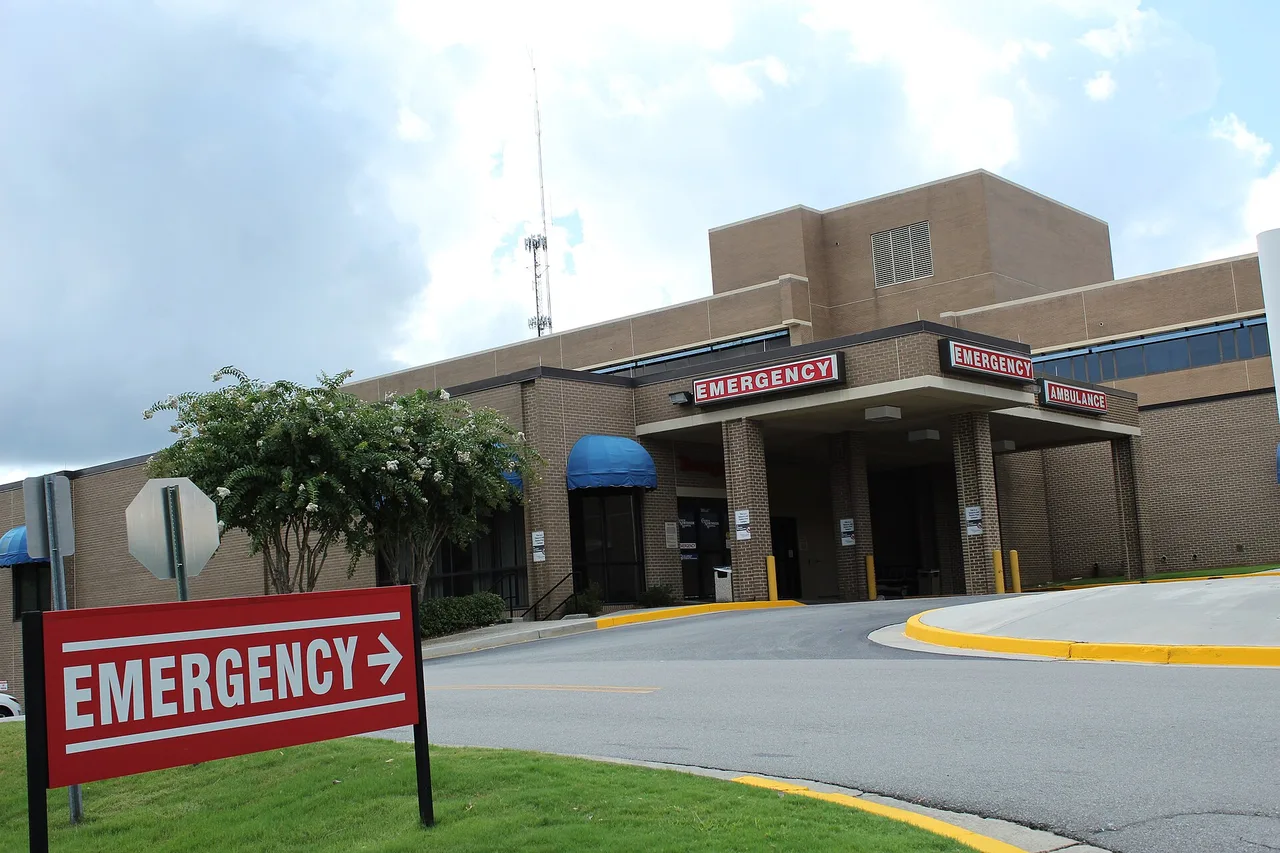
Medical debt should not be read as a parade of personal mishaps. It is a test of whether American healthcare works for the people who need it.
The answer is increasingly difficult to defend. When treatment produces bills that households cannot pay, the failure is not simply that one patient lacked foresight or one family made a bad financial decision. It is that the system has placed the consequences of illness on people least able to absorb them.
Undue Medical Debt’s Courtney Werpy described the institutional reality plainly: “the hospitals have been unable to collect” because people cannot pay.1 That is not a story about unwilling debtors. It is a story about prices, billing practices and coverage that do not match household incomes.
Hospitals are not innocent bystanders. They are part of the system this debate must scrutinize, particularly where billing and financial assistance determine whether illness becomes long-term debt. Charity care and debt relief may spare some families, but they are not a substitute for prices and insurance arrangements that make care affordable before a crisis.
State relief can demonstrate that public action matters. Kentucky’s medical-debt relief programme erased $153 million for about 67,000 residents.2 But cancellation is a backstop, not a healthcare-financing model. A family should not need a special programme, a nonprofit intervention or a lucky eligibility determination to survive a hospital stay.
The policy debate also needs to resist treating medical debt as merely a credit-market issue. In June 2024, more than 60 healthcare leaders and advocates met to discuss financial protections and systemic reforms.3 That agenda is correct, but discussion must lead to enforceable rules on billing, charity care, collections and the prices patients face before treatment.
The Center’s conclusion is straightforward: coverage is not the same as security. A health system that leaves families unable to pay for necessary care is not functioning well simply because an insurer, hospital or government programme appears somewhere in the transaction. Medical debt is not an unfortunate side effect of American healthcare. It is one of its clearest operating signals.
References (3)
- WTTW News. Illinois Grapples With Medical Debt, Care Access as Medicaid Work Requirements Loom. 28 Oct 2026. https://news.wttw.com/2026/10/28/illinois-grapples-medical-debt-care-access-medicaid-work-requirements-loomSupporting ↩
- WKRC-TV (Local 12). Kentucky program aims to erase $250 million in medical debt for residents. 2 Nov 2026. https://local12.com/news/local/kentucky-medical-debt-relief-153-million-67000-residents-beshearSupporting ↩
- academyhealth.org. Advancing Trust: A Focus on Medical Debt | AcademyHealth. 27 Oct 2026. https://academyhealth.org/about/programs/advancing-trust-focus-medical-debtSupporting ↩
How to citeCenter for Policy & Stability, “America’s Medical Debt Is a System Failure, Not a Series of Personal Mishaps,” 5 November 2026, https://policystability.com/post/2026-11/americas-medical-debt-is-a-system-failure-not-a-series-of-personal-mishaps/