Andy Beshear’s Kentucky Debt Relief Shows the Scale of America’s Medical Bills
Responding to Kentucky has erased $153 million in medical debt for 67,000 residents—no application required, but not every bill qualifies, Medical Daily (1 Nov 2026)
Kentucky’s debt cancellation is useful relief, but its reach shows that medical debt is a structural burden requiring public rules, not charitable rescue.
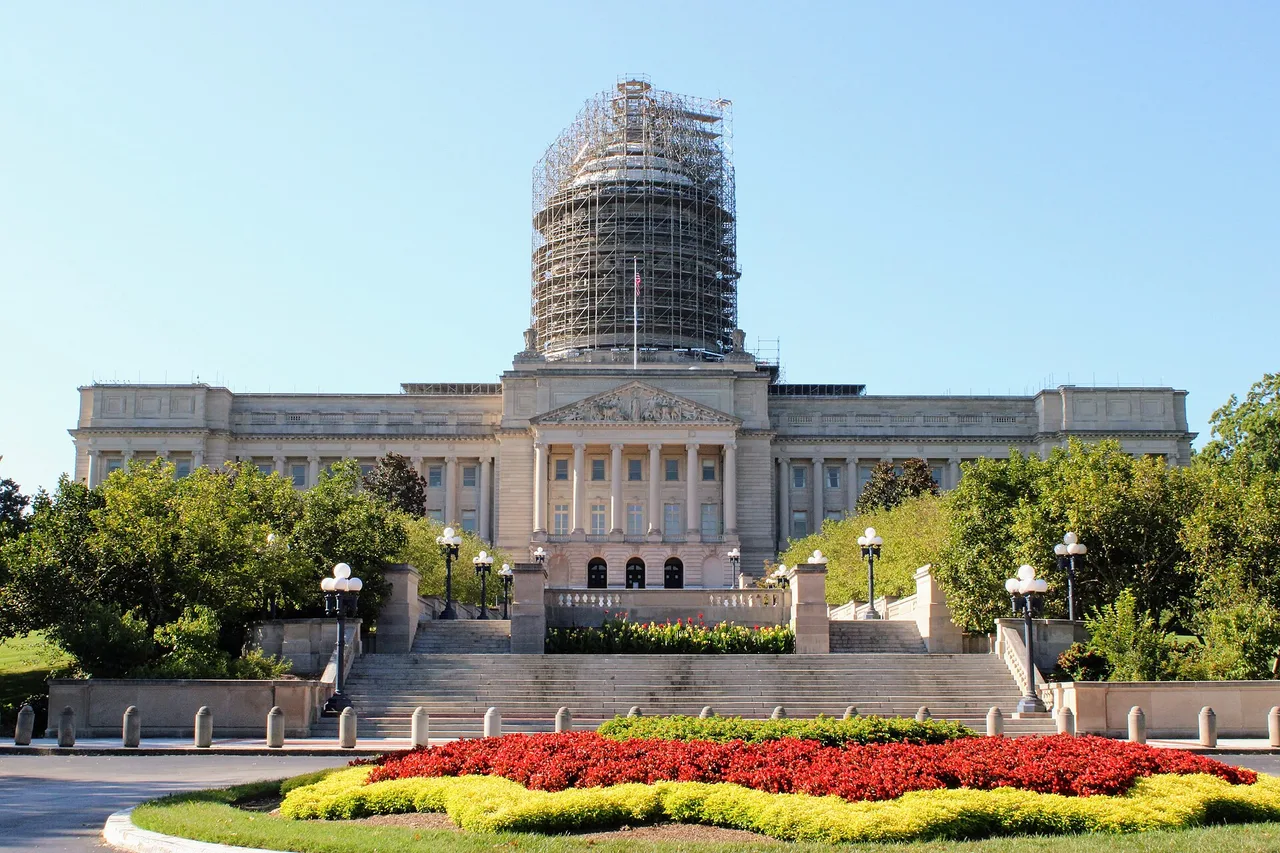
Andy Beshear’s Kentucky medical-debt programme has erased $153 million owed by about 67,000 residents, with the latest round covering roughly $50 million for 22,000 people.1 That is not a collection of unlucky households finding a temporary break; it is a public acknowledgment that ordinary medical billing can produce a mass liability.
The programme is admirably simple for the people it reaches. Eligible residents are identified automatically, without an application, and the state aims eventually to erase $250 million for about 130,000 people.1 But the design also reveals the limits of treating a system-wide problem as a charitable transaction.
Kentucky committed $2.5 million to Undue Medical Debt, which buys old bills from participating hospitals and collection agencies and cancels them; the state estimates that each dollar can erase about $100 in debt.1 That is an efficient intervention, but it depends on which creditors are willing to sell and which debts the nonprofit can acquire.
A family may qualify and still be left with bills from a provider that does not participate, or with only some charges from one episode of care.1 Relief therefore arrives as a lottery of institutional cooperation, not as a guarantee that an eligible patient will be made whole.
The larger point is that insurance does not make this problem disappear. Medical debt affects one in four Americans, and Ohio data cited in the reporting found it among insured residents as well as the uninsured.23 Coverage does not make medical debt disappear, and insured people can still experience it.3
The health consequences are not abstract. In a 2022 KFF survey, 41% of adults reported current medical or dental debt; among those with debt, 64% said someone in their household had delayed or skipped needed care because of cost.1 A canceled bill may make it easier to return to a clinic, but it does not make the next visit affordable.
Beshear deserves credit for delivering automatic relief rather than requiring families to navigate another bureaucracy. Yet Kentucky is also demonstrating why states need stronger charity-care enforcement, clearer hospital billing and durable affordability policy. Nonprofits can buy back yesterday’s debt; only government and health institutions can stop tomorrow’s bills from becoming it.
References (3)
- Medical Daily. Kentucky has erased $153 million in medical debt for 67,000 residents—no application required, but not every bill qualifies. 1 Nov 2026. https://www.medicaldaily.com/kentucky-medical-debt-relief-153-million-67000-residents-480669Context ↩
- Donald W. Reynolds National Center for Business Journalism. Behind the curtain of medical debt, here’s where reporters can look for stories on the national issue | The Reynolds Center. 28 Oct 2026. https://businessjournalism.org/2026/10/medical-debt/Supporting ↩
- Ohio Capital Journal. Medical debt hit 1 in 4 Americans and 1 in 5 Ohioans last year, even the insured, study shows • Ohio Capital Journal. 27 Oct 2026. https://ohiocapitaljournal.com/2026/10/27/medical-debt-hit-1-in-4-americans-and-1-in-5-ohioans-last-year-even-the-insured-study-shows/Supporting ↩
How to citeCenter for Policy & Stability, “Andy Beshear’s Kentucky Debt Relief Shows the Scale of America’s Medical Bills,” 3 November 2026, https://policystability.com/post/2026-11/andy-beshears-kentucky-debt-relief-shows-the-scale-of-americas-medical-bills/