Arizona's School-Funding Ballot Shows Why Basic Education Cannot Depend on Local Votes
Responding to Prop 320 failed. Here’s what educators want next, The Copper Courier (23 Nov 2026)
Arizona’s failed Prop 320 vote shows how schools are forced to seek basic stability through political contests instead of receiving equitable public funding as a guarantee.
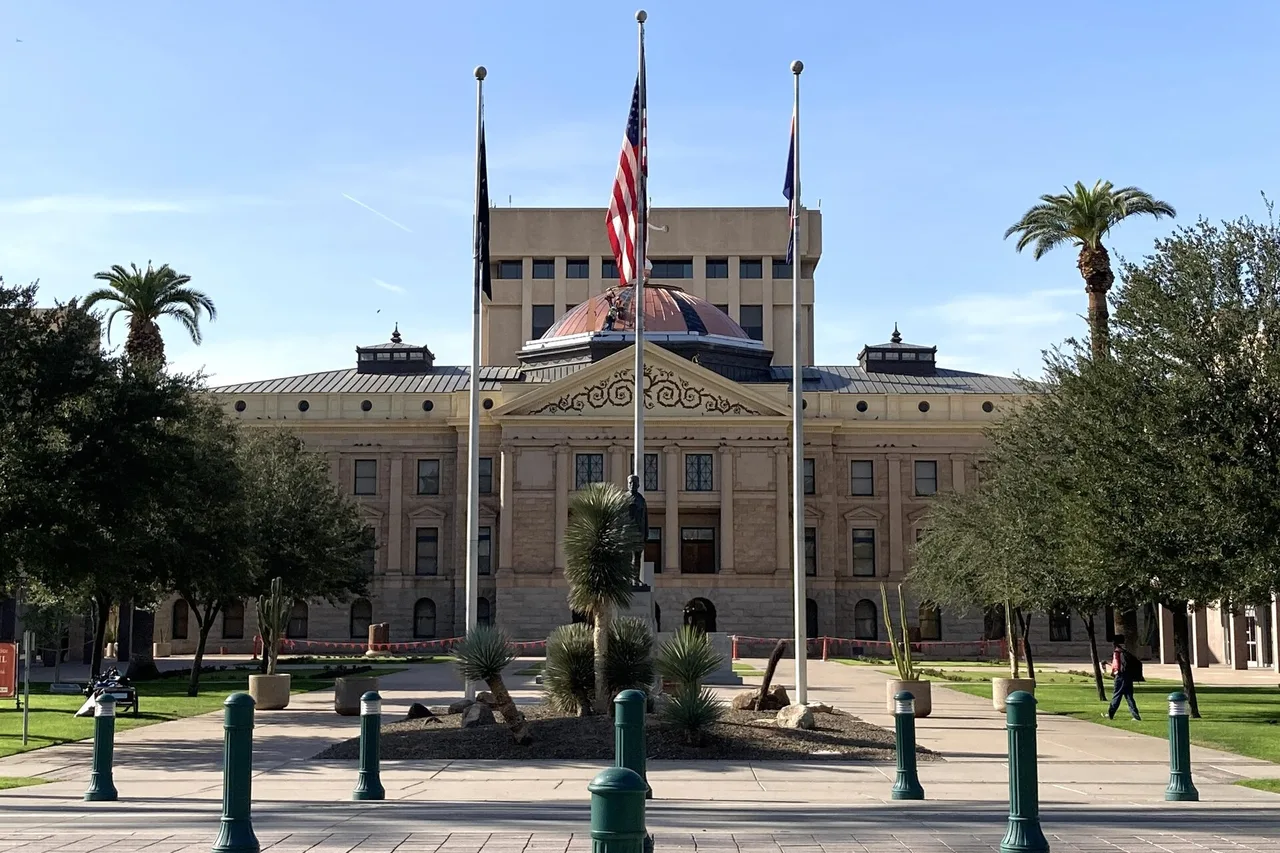
Arizona voters rejected Proposition 320, with 51.9% voting against it, leaving the state’s school-funding system unchanged.1
That result was a relief for educators, but it should not be mistaken for a solution. The vote showed how easily the question of staffing, services and classroom resources can be shifted from a public obligation to a political contest.
Prop 320 would have required larger school districts to spend at least 60% of their operating budgets on direct instruction without adding money to school budgets.1 Its design turned an underfunding problem into a compliance test: districts could meet the target only by moving money away from other essential work.
The Arizona Department of Education and Auditor General found that 87 districts would have had to reallocate funds or risk losing $173 million in classroom site funding.1 That is not a serious route to higher teacher pay. It is an invitation to make schools choose between teachers and the adults who make schools function.
Educators opposed the measure because it supplied no new money and could have put counselors, school nurses, special-education staff and cafeteria workers at risk.1 Their objection was not resistance to accountability; it was resistance to pretending that rearranging an inadequate budget creates capacity.
The broader pattern is familiar. When states do not provide enough dependable operating support, districts are pushed toward local votes, property-tax measures and other contests whose outcomes reflect place and political participation as much as student need. Florida districts are seeking property-tax referendums for general operating funds even as property values rise and inflation erodes purchasing power.2
Arizona’s educators have offered a clearer alternative. Kristin Roberts wants lawmakers to raise base funding per student and let local school boards decide how to spend it, while Will Graham called for a “real investment” in public education.1
The debate over that alternative will continue when Arizona’s next legislative session begins January 11, with Democrats holding majorities in both chambers.1
A child’s education should not depend on whether a district can win the next ballot fight—or whether its community has enough taxable wealth to make that fight worthwhile.
References (2)
- The Copper Courier. Prop 320 failed. Here’s what educators want next. 23 Nov 2026. https://coppercourier.com/news/education/prop-320-rejected-whats-next/Context ↩
- Florida Trend. If property values are soaring, why do school districts need more money?. 20 Nov 2026. https://www.floridatrend.com/article/33837/if-property-values-are-soaring-why-do-school-districts-need-more-money/Supporting ↩
About this response
- Published
- 24 November 2026, by the Editorial Board of the Center for Policy & Stability. Opinion: an argued position, labelled as such.
- Evidence
- 2 sources from 2 publishers: 2 local news outlets.
- Checks
- Before publication, every figure and quotation was matched against its cited source, and every factual sentence was checked against those sources by a separate AI fact-checker. Research and drafting are AI-assisted; the Center's editors choose the themes it writes on. How we work.
- Corrections
- None. Corrections log.
- Cite as
Center for Policy & Stability, “Arizona's School-Funding Ballot Shows Why Basic Education Cannot Depend on Local Votes,” 24 November 2026, https://policystability.com/post/2026-11/arizona-s-school-funding-ballot-shows-why-basic-education-cannot-depend-on-local/