Brighton & Hove’s housing crisis is now a council-wide family emergency
Responding to Brighton & Hove households in temporary housing tops 2,300 - BBC News, BBC News (4 Nov 2026)
Brighton & Hove’s temporary-accommodation record shows that housing failure has become a mass public-service crisis reaching children and people who may still be in work.
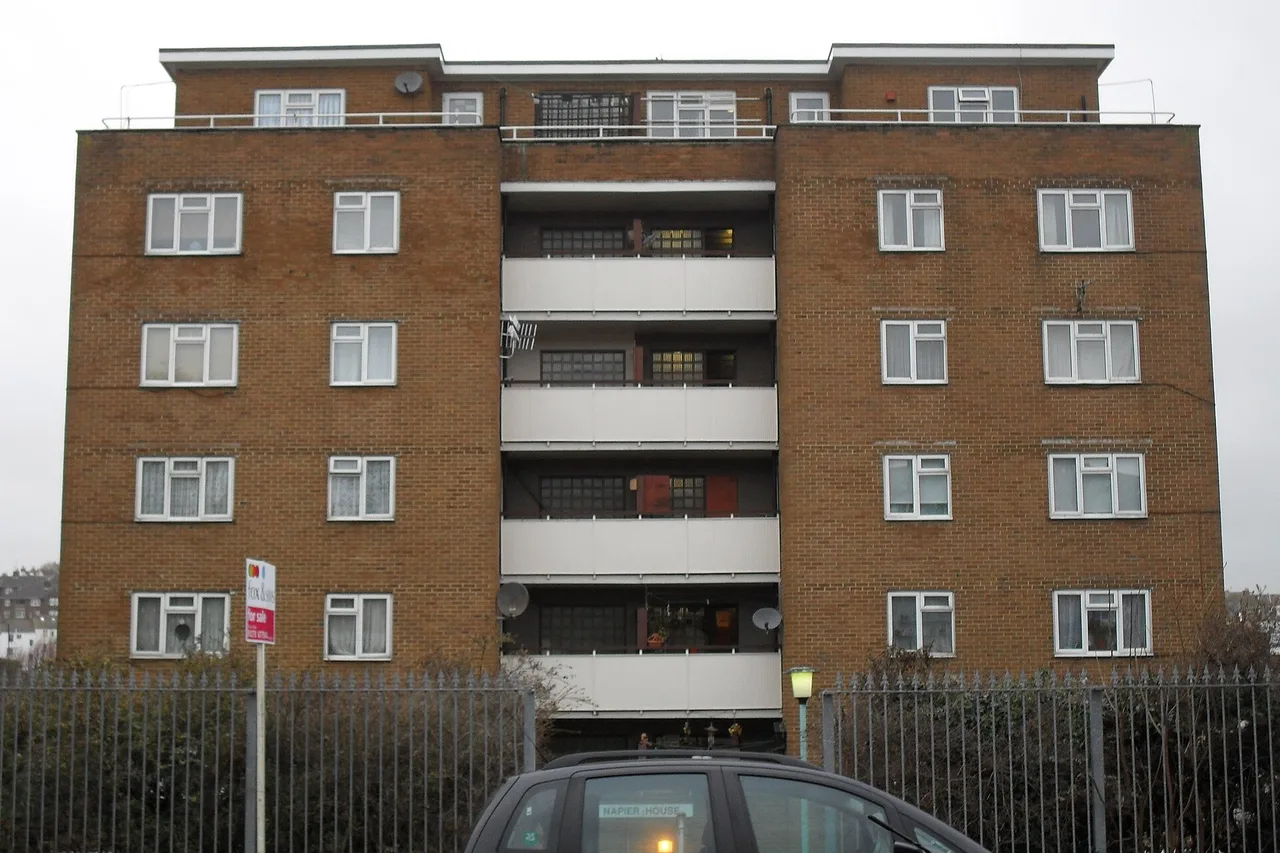
Brighton & Hove has crossed another threshold: 2,358 households were in temporary accommodation on 5 October, above the previous five-year high of 2,292 recorded in June.1
That is not simply a story about a council struggling to find enough rooms. It is evidence that a supposedly exceptional safety net has become a parallel housing system, absorbing families who cannot secure a permanent home.
The scale is visible in the people behind the household count. Almost 3,600 people in the city were estimated to be experiencing homelessness, including 1,400 children.1
Children do not experience temporary accommodation as an administrative category. They experience moves, uncertainty and a childhood organised around the shortage of housing.
The pressure is also landing directly on local government. Brighton & Hove assessed nearly 50 households a week as homeless and in need of housing during the first half of the year.1
Councils are being asked to manage the consequences of rents, low supply and inadequate incomes while having limited power over the underlying market. The result is a costly cycle: emergency placements consume money that could otherwise support prevention and permanent supply.
The council expects to spend £15.2m on temporary housing in 2026-27, above its £14.6m budget.1
Officials say demand will keep rising without intervention, and the council’s own forecast is for as many as 2,860 households to need temporary housing by 2029-30.1
This is not a Brighton anomaly that can be filed under local mismanagement. Across England, 135,580 families were living in temporary accommodation in March 2026, including 177,530 children.2
But the direction is clear. Housing failure is reaching children, working households and the everyday machinery of government.
Brighton’s proposed programme to add 500 temporary homes, backed by £16.4m in government funding to buy properties, may ease the immediate shortage.1 It does not answer the larger question: when does emergency accommodation stop being a bridge and become the country’s unplanned housing policy?
References (2)
- BBC News. Brighton & Hove households in temporary housing tops 2,300 - BBC News. 4 Nov 2026. https://www.bbc.co.uk/news/articles/c6j9kx3x4l7koContext ↩
- The Independent. Hundreds of thousands more people to be pushed into poverty by Labour’s freeze on housing benefit | The Independent. 2 Nov 2026. https://www.independent.co.uk/news/uk/politics/burnham-homelessness-rough-sleeping-housing-benefit-freeze-budget-b3077339.htmlSupporting ↩
How to citeCenter for Policy & Stability, “Brighton & Hove’s housing crisis is now a council-wide family emergency,” 6 November 2026, https://policystability.com/post/2026-11/brighton-hoves-housing-crisis-is-now-a-council-wide-family-emergency/