Britain Has Made Food Aid Part of Household Survival
Charitable food aid has become part of how a growing share of British households get by, showing that incomes and benefits no longer cover the basics.
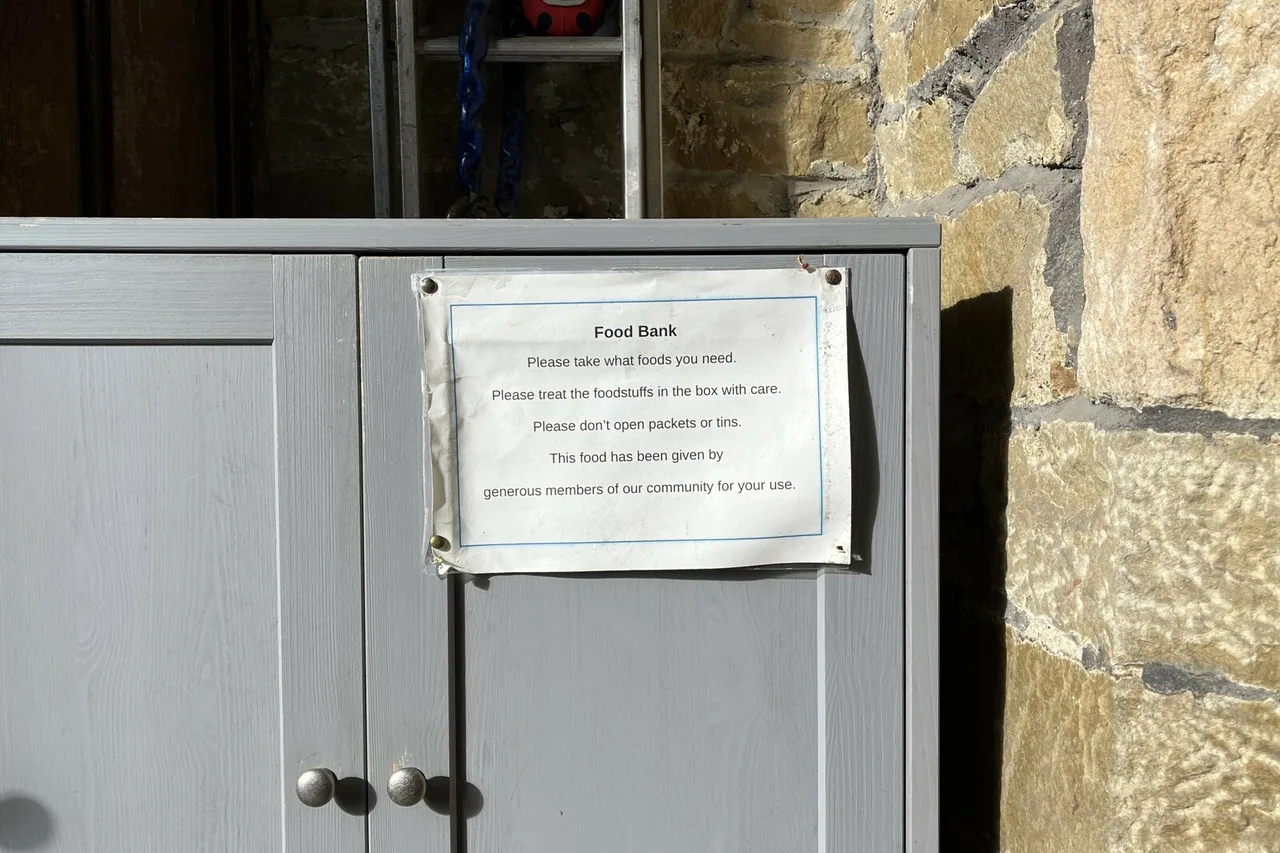
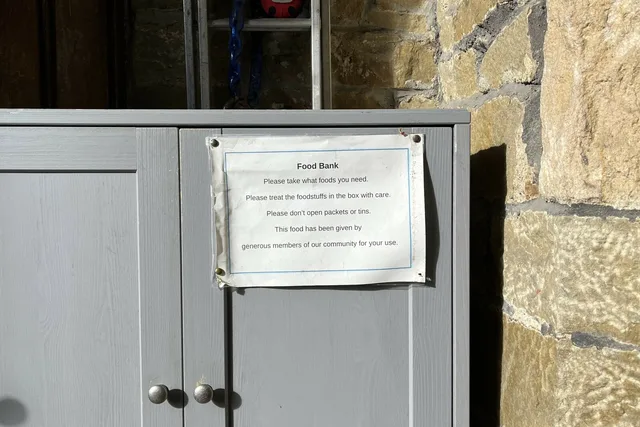
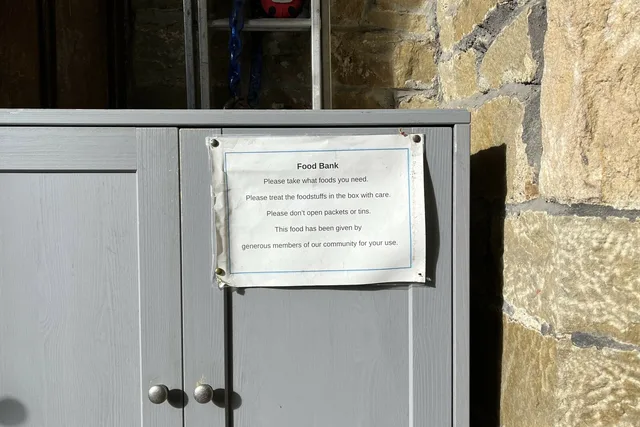
A country that depends on charity to put food on tables is not as prosperous as its national story suggests. Food aid has moved from the margins of British life towards the ordinary business of getting through the month.
The clearest sign is not the number of food parcels distributed. It is the number of families cutting back on meals. In the six months to May 2025, 5.3 million low-income families skipped or reduced meals, while 4.1 million reported going hungry in the previous month.1
Food banks are the visible end of that pressure. About 1.5 million low-income families used one in the same six-month period, up from 9% of low-income families in May 2022 to 13% in May 2025.1 That is not a temporary supplement to a functioning safety net. It is a parallel system through which households secure an essential that wages and benefits should cover.
The persistence of this hardship matters as much as its scale. Some economic conditions have eased, yet 7.1 million low-income households were still going without essentials, a level that has held since October 2022.1 The problem is therefore not simply a sudden rise in prices or a bad month for household budgets. It is a settled gap between what people need and what the state and labour market provide.
Policy has helped create that gap. The two-child limit prevents most families receiving Universal Credit from claiming support for a third or later child, costing about £3,500 a year for each additional child.2 A rule that removes thousands of pounds from a family’s annual income does not merely trim public spending; it shifts the cost into skipped meals, debt and charitable relief.
The responsibility crosses governments. The Conservatives left a benefits system that required food banks to absorb basic need, and Labour has inherited it without yet closing the gap. The standard should be simple: a working-age safety net must provide enough for families to eat without charitable permission.
Food banks should remain emergency support, not part of the country’s income system. Britain’s prosperity is incomplete until households can buy the basics from their own resources.
References (2)
- Joseph Rowntree Foundation. A year of Labour but no progress: JRF’s cost of living tracker, summer 2025. 11 Jul 2025. https://www.jrf.org.uk/cost-of-living/jrfs-cost-of-living-tracker-summer-2025Supporting ↩
- Institute for Fiscal Studies. Should Labour scrap the two-child limit?. 9 Oct 2025. https://ifs.org.uk/articles/should-labour-scrap-two-child-limitSupporting ↩
About this note
- Published
- 24 November 2026, by the Editorial Board of the Center for Policy & Stability. Opinion: an argued position, labelled as such.
- Evidence
- 2 sources from 2 publishers: 2 research organisations.
- Checks
- Before publication, every figure and quotation was matched against its cited source, and every factual sentence was checked against those sources by a separate AI fact-checker. Research and drafting are AI-assisted; the Center's editors choose the themes it writes on. How we work.
- Corrections
- None. Corrections log.
- Cite as
Center for Policy & Stability, “Britain Has Made Food Aid Part of Household Survival,” 24 November 2026, https://policystability.com/post/2026-11/britain-has-made-food-aid-part-of-household-survival-2/