Burnham’s Christmas housing pledge needs a test tougher than counting offers
Responding to More than 3,000 rough sleepers offered a route off the streets in Andy Burnham's Christmas pledge, The Big Issue (27 Nov 2026)
Andy Burnham’s rough-sleeping pledge should be judged by lasting exits from homelessness, not offers made, and by whether it addresses the wider housing failure pushing families and workers toward insecurity.
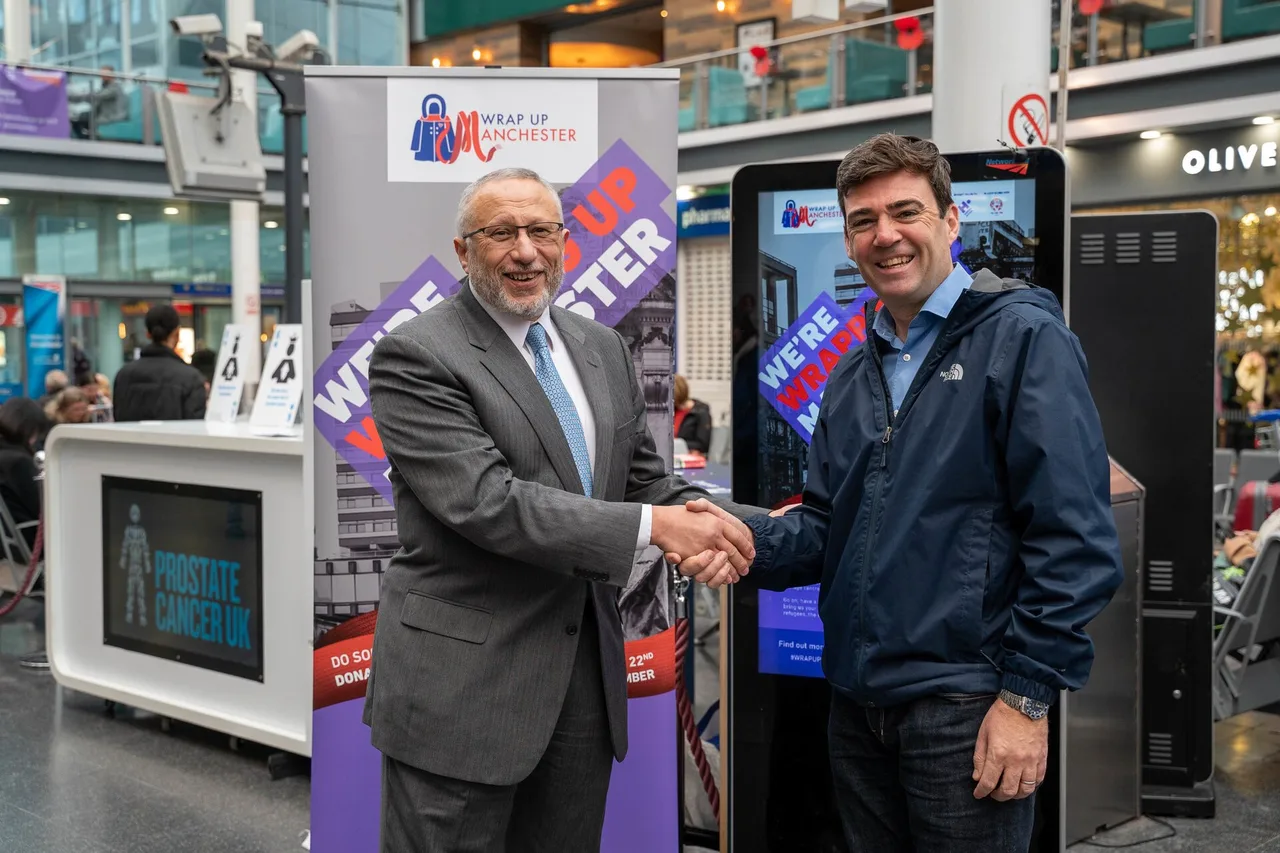
Andy Burnham’s Christmas pledge has produced offers of accommodation or support for 3,276 people sleeping rough, but the published data does not say how many accepted them.1 That is the distinction on which the initiative should be judged: an offer is an intervention, not an outcome.
The government’s rough-sleeping programme had funded 1,966 bed spaces across England by the end of October, with a quarter occupied.1 That gap demands explanation, not an assumption that people outside have simply declined help. Ministers should show whether the accommodation is suitable, accessible and capable of supporting a lasting move indoors.
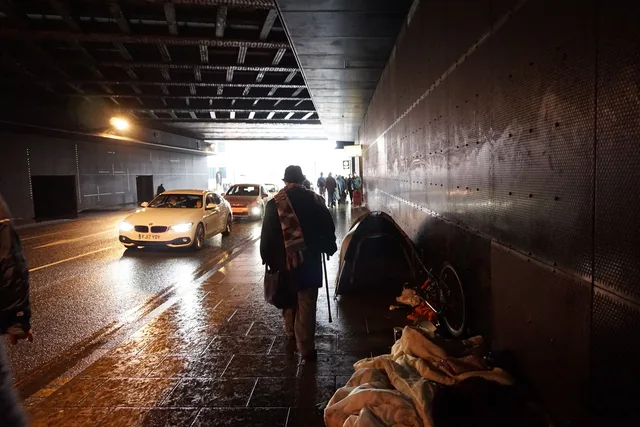
The official rough-sleeping snapshot found 4,793 people sleeping rough on a single night in autumn 2025, a record figure that is widely considered a significant underestimate.1 The programme is therefore operating against a problem larger than the visible count, while the government’s deadline risks turning a complex housing crisis into a narrow test of whether councils can make contact.
Local authorities are responsible for delivering the offers, and 82% said they were confident they could provide everyone sleeping rough with a route off the street by 1 December.1 Confidence is not proof of success. The government must publish acceptance, retention and repeat-homelessness figures, not just the number of approaches made.
The Board’s concern is wider than the pavement. Rough sleeping is the sharpest visible edge of a housing system that can leave families with children and people in work without a secure home. Emergency outreach deserves support, but it cannot substitute for prevention, affordable housing and services that people can trust.
Burnham has promised a route off the streets, not that every person will accept the first offer.1 That is a reasonable qualification. It is also why the final measure must be whether people move into safe, lasting accommodation—not whether officials can say an offer was made before Christmas.
References (1)
- The Big Issue. More than 3,000 rough sleepers offered a route off the streets in Andy Burnham's Christmas pledge. 27 Nov 2026. https://www.bigissue.com/news/housing/rough-sleepers-october-andy-burnham/Context ↩
About this response
- Published
- 28 November 2026, by the Editorial Board of the Center for Policy & Stability. Opinion: an argued position, labelled as such.
- Evidence
- 1 source from 1 publisher: 1 national news outlet.
- Checks
- Before publication, every figure and quotation was matched against its cited source, and every factual sentence was checked against those sources by a separate AI fact-checker. Research and drafting are AI-assisted; the Center's editors choose the themes it writes on. How we work.
- Corrections
- None. Corrections log.
- Cite as
Center for Policy & Stability, “Burnham’s Christmas housing pledge needs a test tougher than counting offers,” 28 November 2026, https://policystability.com/post/2026-11/burnhams-christmas-housing-pledge-needs-a-test-tougher-than-counting-offers/