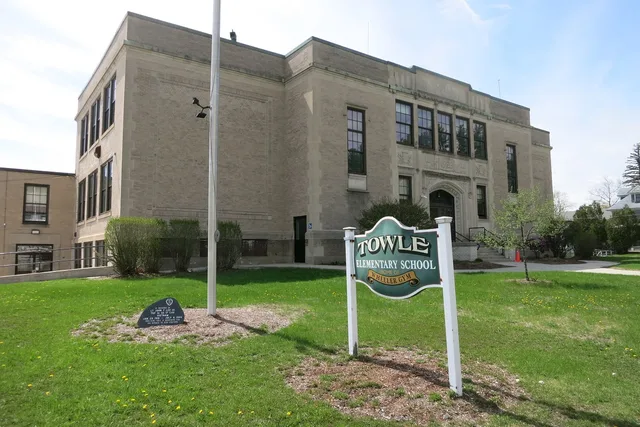
Chippewa Falls’ school referendum puts basic services on the ballot again
Responding to CF school board hears dire budget forecast if referendum fails, Leader-Telegram (18 Nov 2026)
Chippewa Falls shows why dependable school funding should be a state responsibility, not a recurring test of local voters’ willingness and ability to pay.
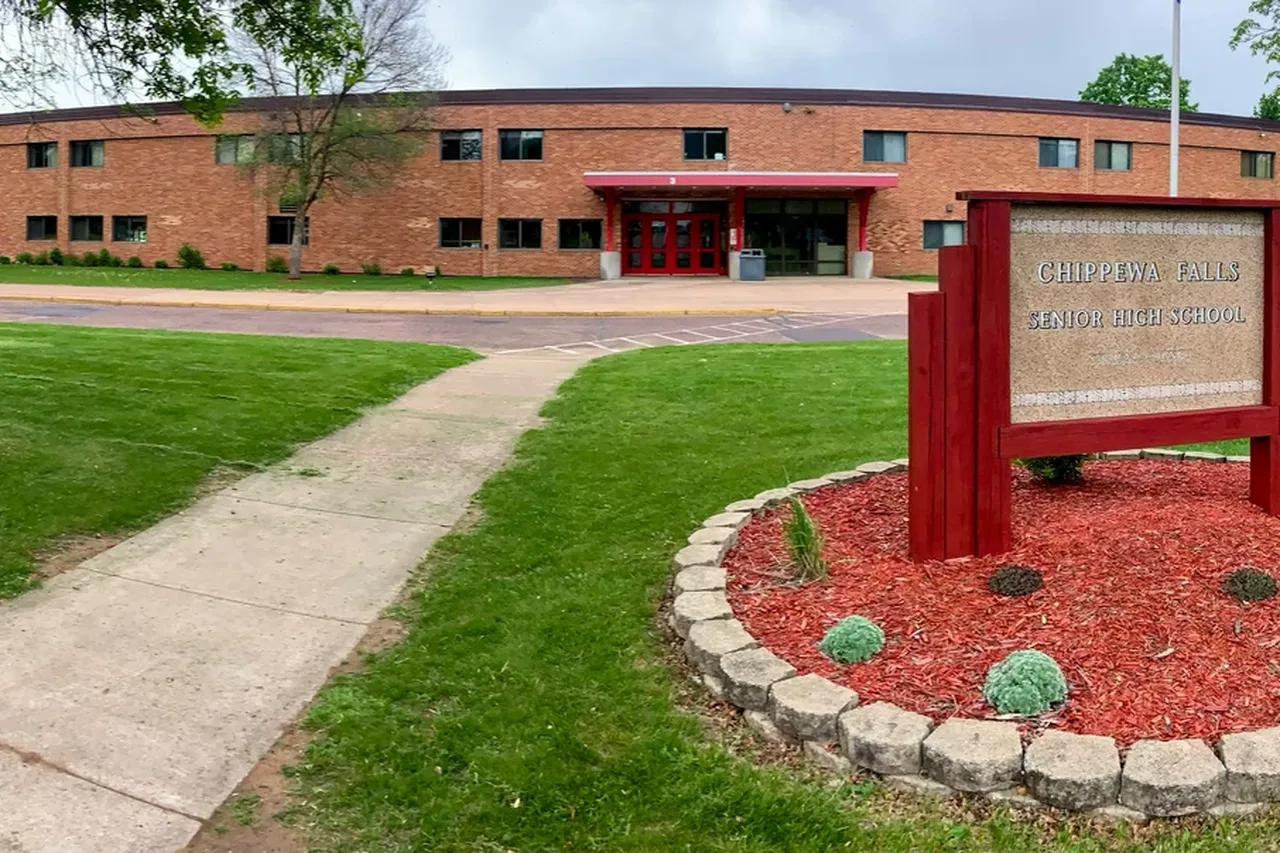
Chippewa Falls school officials are considering another operating referendum as their current $2.5 million annual measure expires, with business manager Chad Trowbridge warning of projected deficits without renewed approval.1 This is the wrong foundation for dependable public education. Funding basic services should not require a recurring campaign for permission.
The preliminary forecast puts the deficit at $3.1 million in 2028 and $7.8 million in 2032, although Trowbridge cautioned that the estimates depend on assumptions.1 These projections should be treated as a planning warning, not an inevitable outcome. The board owes voters a clear account of those assumptions before asking them to pay more.
Operating money must not be confused with construction money: voters approved a $65 million capital referendum in 2019, while the operating referendum passed in April 2024 with 53% support.1 A vote to improve buildings is not an answer to the question of how to sustain services inside them. Nor should a successful operating vote be mistaken for lasting financial security.
The board is considering three-year operating options of $3.5 million, $4 million or $4.5 million annually; Trowbridge also anticipates cuts associated with reduced enrollment.1 Approval should therefore not be sold as a guarantee against difficult choices. Voters deserve to know what each option would protect and what it would not.
Enrollment complicates the picture: the district reports 455 students leaving through open enrollment and 187 entering, and state aid is tied to enrollment.1 Responsible budgeting must account for changing pupil numbers. That does not make ballot-dependent operating funding a sound policy.
The strongest counterargument deserves a proper test: how much do state funding formulas already compensate for differences in local property wealth? This forecast cannot answer that question or establish a national trend in inflation-adjusted spending. It should not be stretched into evidence it does not provide.
Trowbridge identified potential changes to Wisconsin’s school funding as an uncertainty, while the board reviewed the forecast without taking action.1 State lawmakers should replace that uncertainty with a credible funding settlement. The standard should be whether schools can plan dependable services—not whether a community can repeatedly assemble a winning campaign.
References (1)
- Leader-Telegram. CF school board hears dire budget forecast if referendum fails. 18 Nov 2026. https://www.leadertelegram.com/news/daily-updates/cf-school-board-hears-dire-budget-forecast-if-referendum-fails/article_c1770568-ea3c-4c98-be85-868e3957e06e.htmlContext ↩
How to citeCenter for Policy & Stability, “Chippewa Falls’ school referendum puts basic services on the ballot again,” 19 November 2026, https://policystability.com/post/2026-11/chippewa-falls-school-referendum-puts-basic-services-on-the-ballot-again/