Dumfries and Galloway’s bridge backlog shows how safety failures outlast the warnings
Responding to HSE contacts council over backlog of inspections for 1,558 bridges and structures, The Herald (4 Nov 2026)
The Dumfries and Galloway bridge backlog shows that documenting institutional failure is not the same as fixing it before risk reaches the public.
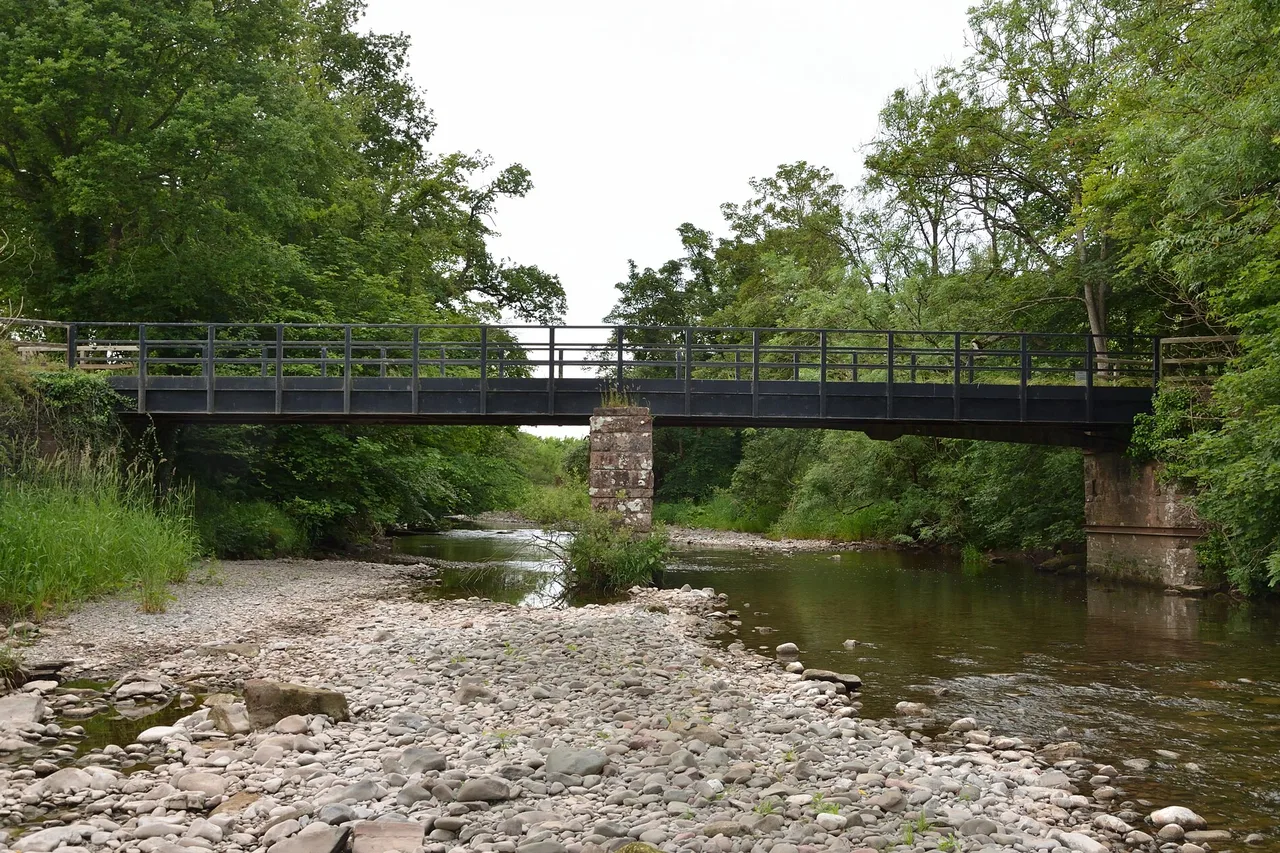
Dumfries and Galloway Council has a safety problem that should not have required a member of the public to keep raising the alarm. The Health and Safety Executive has contacted the authority over concerns about inspections covering 1,558 structures, including 687 road bridges.1
The immediate story is a backlog. The deeper story is institutional drift: a known weakness becomes an administrative inconvenience, then a scrutiny issue, and only later a public-safety concern. The council’s own review supplied the diagnosis; the question is why diagnosis did not produce timely action.
Jacobs, the independent engineering firm commissioned to examine the system, found that the council was not meeting national standards for bridge safety inspections and assessments.1 An internal review in 2025 had already identified the same problems, according to councillors.1
Responsibility is distributed across officers, committees, regulators and elected politicians until no single person appears to own the delay. Yet diffuse responsibility does not make the risk diffuse for people using the bridges.
The staffing figures make the council’s timetable harder to treat as a solution in itself: 13 of 23 approved engineering posts are vacant, while the structures team has six permanent staff, eight vacancies and three agency workers.1 Officers say records will be updated by the end of December and the inspection backlog cleared by the end of March 2027.1
Those promises may be reasonable, but they must be tested against delivery rather than accepted as closure. A future report saying that action was “under way” would not answer whether every structure was inspected, whether defects were repaired, or whether the system could be sustained.
This is why Britain’s inquiry culture matters. Lady Justice Thirlwall’s review of decades of NHS inquiries found that many recommendations were never implemented, partly because of a “lack of political will.”2 The lesson reaches beyond health: a report can be exhaustive, a recommendation can be accepted, and failure can still recur.
The wider justice system offers the same warning, with inspectors finding electronic-monitoring failures that left victims and the public at risk.3 Dumfries and Galloway now has a chance to break that pattern—but only if scrutiny remains public, responsibility is named, and promised fixes become visible before the next bridge forces the issue.
References (3)
- The Herald. HSE contacts council over backlog of inspections for 1,558 bridges and structures. 4 Nov 2026. https://www.heraldscotland.com/news/26700446.hse-contacts-council-backlog-bridge-inspections/?ref=rssContext ↩
- BMJ Blogs. After Thirlwall, the NHS needs a culture change. By Mélinée Kazarian – The official blog of BMJ Leader. 2 Nov 2026. https://blogs.bmj.com/bmjleader/2026/11/02/after-thirlwall-the-nhs-needs-a-culture-change-by-melinee-kazarian/Supporting ↩
- Criminal Justice Joint Inspection (CJJI). Inspection finds electronic monitoring failings are leaving victims and public at risk – Criminal Justice Joint Inspectorates. 29 Oct 2026. https://cjji.justiceinspectorates.gov.uk/press-release/inspection-finds-electronic-monitoring-failings-are-leaving-victims-and-public-at-risk/Supporting ↩
How to citeCenter for Policy & Stability, “Dumfries and Galloway’s bridge backlog shows how safety failures outlast the warnings,” 5 November 2026, https://policystability.com/post/2026-11/dumfries-and-galloways-bridge-backlog-shows-how-safety-failures-outlast-the/