Enfield’s Greenway House sale shows the quiet failure of family housing
Responding to Council agrees sale of former Essex office block used to house homeless families, Enfield Dispatch (6 Nov 2026)
Enfield’s leaseback deal shows how England’s housing system is turning homelessness into long-term dependence on temporary, often unsuitable accommodation.
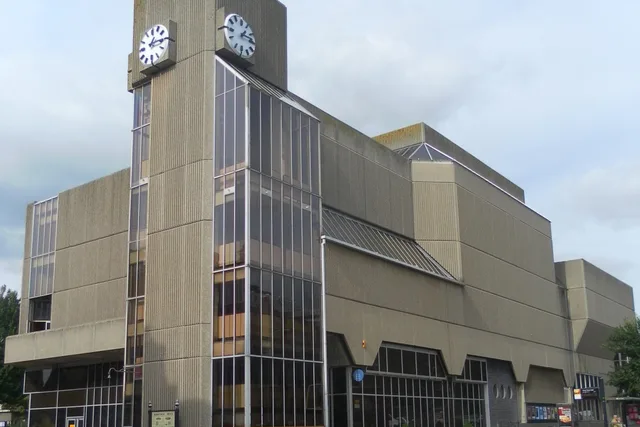
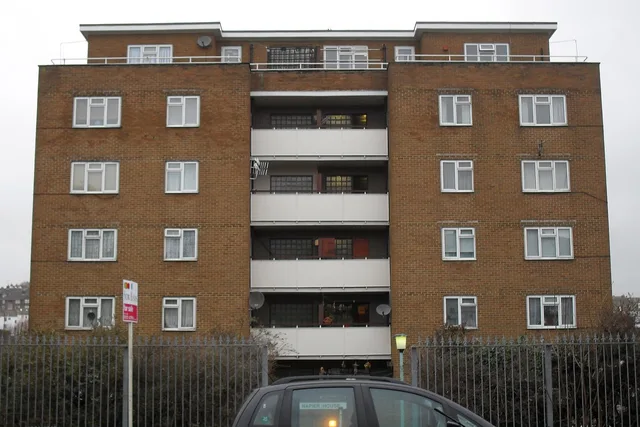
Enfield Council is selling Greenway House, a former office block in Harlow, while arranging to lease it back for another ten years so it can continue housing homeless families.1
That is not a solution to homelessness. It is a property transaction built around the absence of a solution: a local authority must preserve access to a building it considers defective and expensive because the alternatives are worse.
Greenway House was converted into temporary accommodation in 2018, then affected by flooding, damp and mould; fire-safety and building-regulation defects later forced the upper floors to be emptied, while 32 households remained on the ground floor.1
Temporary accommodation is supposed to be a bridge. In practice, for families caught in a housing shortage, it is becoming an institution of its own. The building’s history captures the contradiction: councils are required to house people under statutory homelessness duties, but are left choosing between precarious private lodgings and ageing premises requiring major remedial work.
The council report says Greenway House needs roof replacement, fire-safety remediation and other substantial investment, while the proposed arrangement leaves the council responsible for repair, management, maintenance and insurance.1
That may reduce immediate costs, but it also normalises a public service operating through improvised accommodation and divided responsibility. A cheaper nightly rate is not the same thing as a secure home, especially when the saving depends on families remaining in temporary housing for years.
Enfield had 3,084 families in temporary accommodation at the end of March 2026, including 1,410 placed in nightly paid private lodgings.1
That scale turns Greenway House from a local curiosity into evidence of a wider administrative pattern. The same pattern appears outside London: Cornwall’s temporary-accommodation caseload rose from 250 households before the pandemic to 912 in March 2025, an increase of 264.8 per cent, with many of those households being families with children.2
The figures are not directly comparable measures of housing failure across local authorities. They do, however, point in the same direction: families are being kept in temporary arrangements while councils manage buildings, contracts and costs instead of securing permanent homes.
Greenway House is therefore more than a questionable asset sale. It is a record of a system that can continue accommodating families without making them securely housed.
References (2)
- Enfield Dispatch. Council agrees sale of former Essex office block used to house homeless families. 6 Nov 2026. https://enfielddispatch.co.uk/council-agrees-sale-of-former-essex-office-block-used-to-house-homeless-families/Context ↩
- Falmouth Packet. Cornwall households in temporary accommodation rise 264.8% | Falmouth Packet. 4 Nov 2026. https://www.falmouthpacket.co.uk/news/26695604.cornwall-households-temporary-accommodation-rise-264-8/Supporting ↩
How to citeCenter for Policy & Stability, “Enfield’s Greenway House sale shows the quiet failure of family housing,” 8 November 2026, https://policystability.com/post/2026-11/enfields-greenway-house-sale-shows-the-quiet-failure-of-family-housing/