England’s temporary accommodation figures demand more than emergency management
Responding to The Word “Temporary” Is Doing a Lot of Work | Thrive Magazine, Thrive Magazine (16 Nov 2026)
England should judge its homelessness response by how quickly families reach secure homes, not by whether councils have found them a temporary roof.
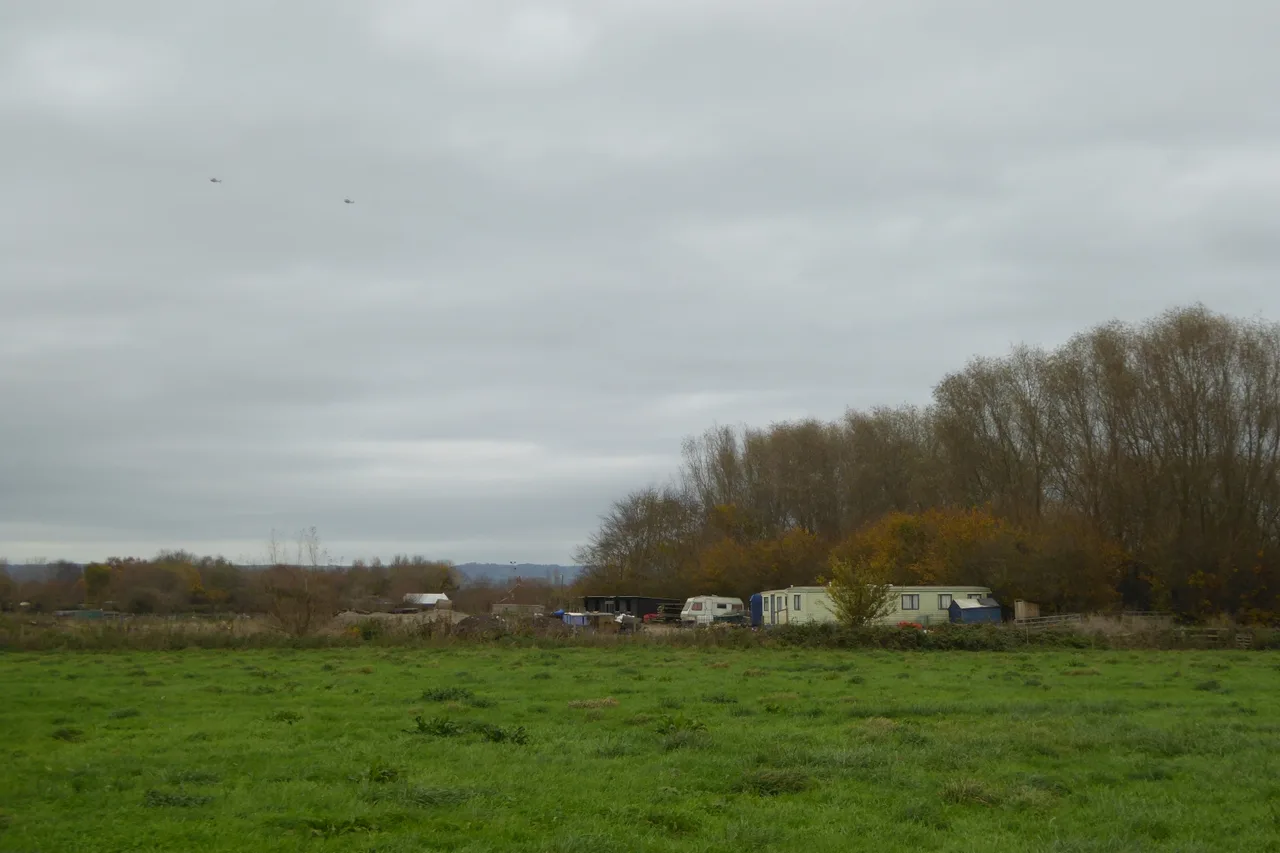
England’s Ministry of Housing figures put children at the centre of the housing emergency: at the end of December 2025, 176,130 dependent children were living in temporary accommodation, across 85,800 families.1 That should settle any argument about whether homelessness policy belongs at the margins of family policy. A roof is essential; it is not the same thing as a stable home.
Thrive Magazine’s account draws on statutory homelessness statistics showing 134,210 households in temporary accommodation, up 5% from a year earlier; nearly 64% included dependent children.1 These are households accommodated under councils’ housing duties, not a count of people sleeping rough.1 The distinction matters. Treating an emergency placement as the end of homelessness would mistake administrative provision for security.
Nor should the figures become an excuse to blame councils for failing to conjure permanent homes. As the report explains, local authorities operate within limited housing supply, statutory obligations and constrained budgets.1 Accountability must therefore reach beyond the council placements desk to the national government responsible for the housing framework. Ministers should be asked not simply whether families have been accommodated, but whether the route out is credible.
There are practical responses already taking shape: Bolton Council plans to purchase up to 100 homes to broaden its temporary accommodation and reduce reliance on bed-and-breakfast placements, particularly for families with children.2 That deserves scrutiny on suitability and results, not dismissal because the homes remain temporary. But a better emergency system must not become the limit of ambition.
The national test should be secure housing at rents families can afford. Publish how long placements last, how often children move and how far they are from school. Enforce standards while families wait. Assess prevention by whether it keeps households securely housed, rather than merely closing a case.
The word “temporary” should describe a short route to stability, not lower the standard by which government judges the outcome. England needs a homelessness policy whose finish line is a home.
References (2)
- Thrive Magazine. The Word “Temporary” Is Doing a Lot of Work | Thrive Magazine. 16 Nov 2026. https://thrivemagazine.ai/the-word-temporary-is-doing-a-lot-of-work/Context ↩
- The Bolton News. Bolton children living in temporary accommodation rises | The Bolton News. 16 Nov 2026. https://www.theboltonnews.co.uk/news/26723136.bolton-children-living-temporary-accommodation-rises/Supporting ↩
How to citeCenter for Policy & Stability, “England’s temporary accommodation figures demand more than emergency management,” 18 November 2026, https://policystability.com/post/2026-11/englands-temporary-accommodation-figures-demand-more-than-emergency-management/