Food Banks Are Becoming Part of Britain’s Household Budget
Charitable food aid has become part of how a growing share of British households get by, showing that incomes and benefits no longer cover the basics.
Britain’s prosperity is increasingly rationed at the kitchen table. Food aid is no longer a marginal service for exceptional emergencies; it is becoming part of the household budget for people who cannot make ordinary income cover ordinary needs.
The central failure is hidden by the language of headline prosperity. A household can sit on the safe side of a poverty threshold and still face the daily choice between food, heat, rent and debt. Living standards should be judged by whether people can meet basic needs, not by whether a national average looks stable.
Food insecurity rose by almost half, reaching 11% in 2022–23.1 That change places food insecurity at the centre of the country’s living-standards debate. It describes a breakdown in household security that charitable parcels cannot resolve.
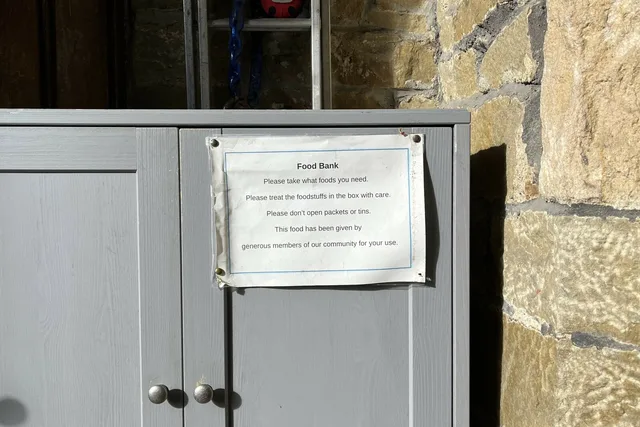
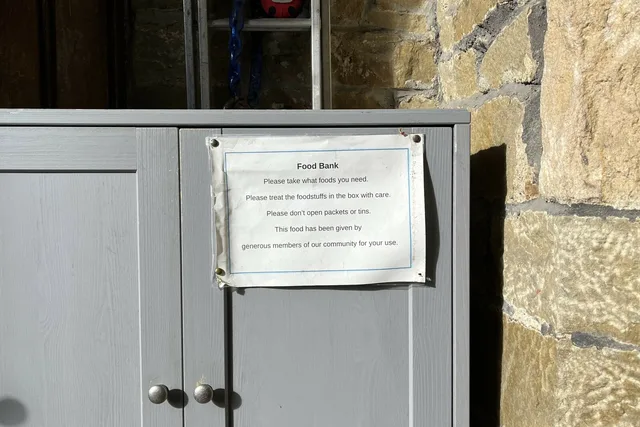
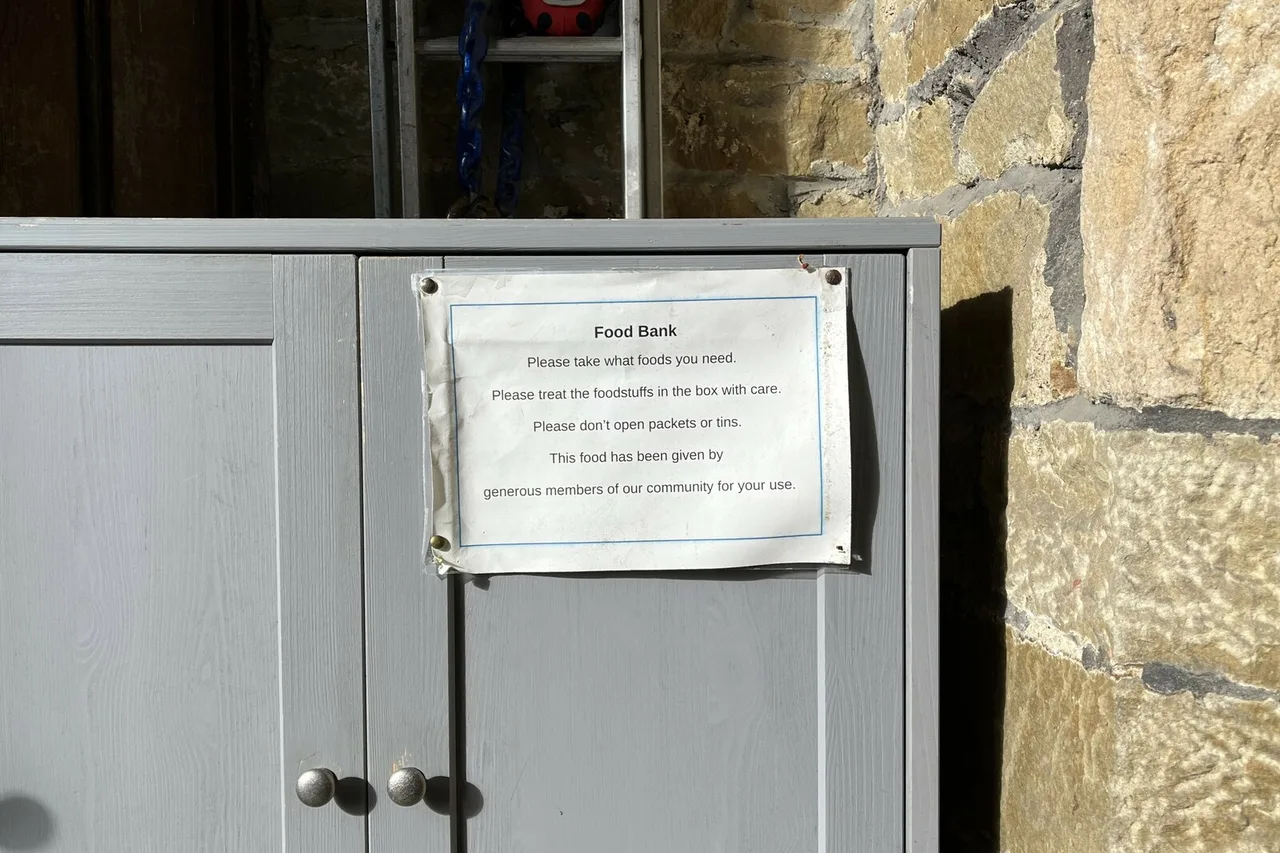
The pressure is now visible in the reach of food banks. In the six months to May 2025, 1.5 million low-income families used one.2 A food bank is being asked to perform a role that belongs to a functioning income-support system: keeping people fed when wages, benefits and housing costs do not fit together.
This is also an income problem. Median household income fell by 2% in real terms in the latest year, both before and after housing costs.3 When the margin in a household budget disappears, a minor bill or delayed payment can become an empty cupboard. That is not a temporary inconvenience; it is a failure of economic security.
Children carry the consequences of that failure. In the latest figures, 28% of children were in material deprivation.3 No government can describe prosperity honestly while children’s access to essentials depends on charitable provision.
That failure means the governments responsible for benefits, deductions, sanctions and the two-child limit should be judged by what families can actually afford.
The answer is not to improve the presentation of food aid. It is to make incomes and benefits sufficient for the essentials, and to reduce the need for charity at its source. A wealthy country that relies on food banks to make household budgets work is measuring prosperity by the wrong standard.
References (3)
- Institute for Fiscal Studies. New statistics show large increases in material deprivation and food insecurity during cost-of-living crisis, which headline poverty measures do not reflect. 27 Mar 2025. https://ifs.org.uk/news/new-statistics-show-large-increases-material-deprivation-and-food-insecurity-during-costSupporting ↩
- Joseph Rowntree Foundation. A year of Labour but no progress: JRF’s cost of living tracker, summer 2025. 11 Jul 2025. https://www.jrf.org.uk/cost-of-living/jrfs-cost-of-living-tracker-summer-2025Supporting ↩
- Department for Work and Pensions. Households Below Average Income: an analysis of the UK income distribution: FYE 1995 to FYE 2024. 27 Mar 2025. https://www.gov.uk/government/statistics/households-below-average-income-for-financial-years-ending-1995-to-2024/households-below-average-income-an-analysis-of-the-uk-income-distribution-fye-1995-to-fye-2024Supporting ↩
About this note
- Published
- 23 November 2026, by the Editorial Board of the Center for Policy & Stability. Opinion: an argued position, labelled as such.
- Evidence
- 3 sources from 3 publishers: 1 official statistics or government source and 2 research organisations.
- Checks
- Before publication, every figure and quotation was matched against its cited source, and every factual sentence was checked against those sources by a separate AI fact-checker. Research and drafting are AI-assisted; the Center's editors choose the themes it writes on. How we work.
- Corrections
- None. Corrections log.
- Cite as
Center for Policy & Stability, “Food Banks Are Becoming Part of Britain’s Household Budget,” 23 November 2026, https://policystability.com/post/2026-11/food-banks-are-becoming-part-of-britains-household-budget/