Grenfell’s construction-safety wait demands a deadline for delivery, not another promise
Responding to Construction Product Safety Rules Not Before 2028, Property Front Page (19 Nov 2026)
Britain should judge its response to public inquiries by verified changes in protection, not by the detail of its reports or the announcement of reforms.
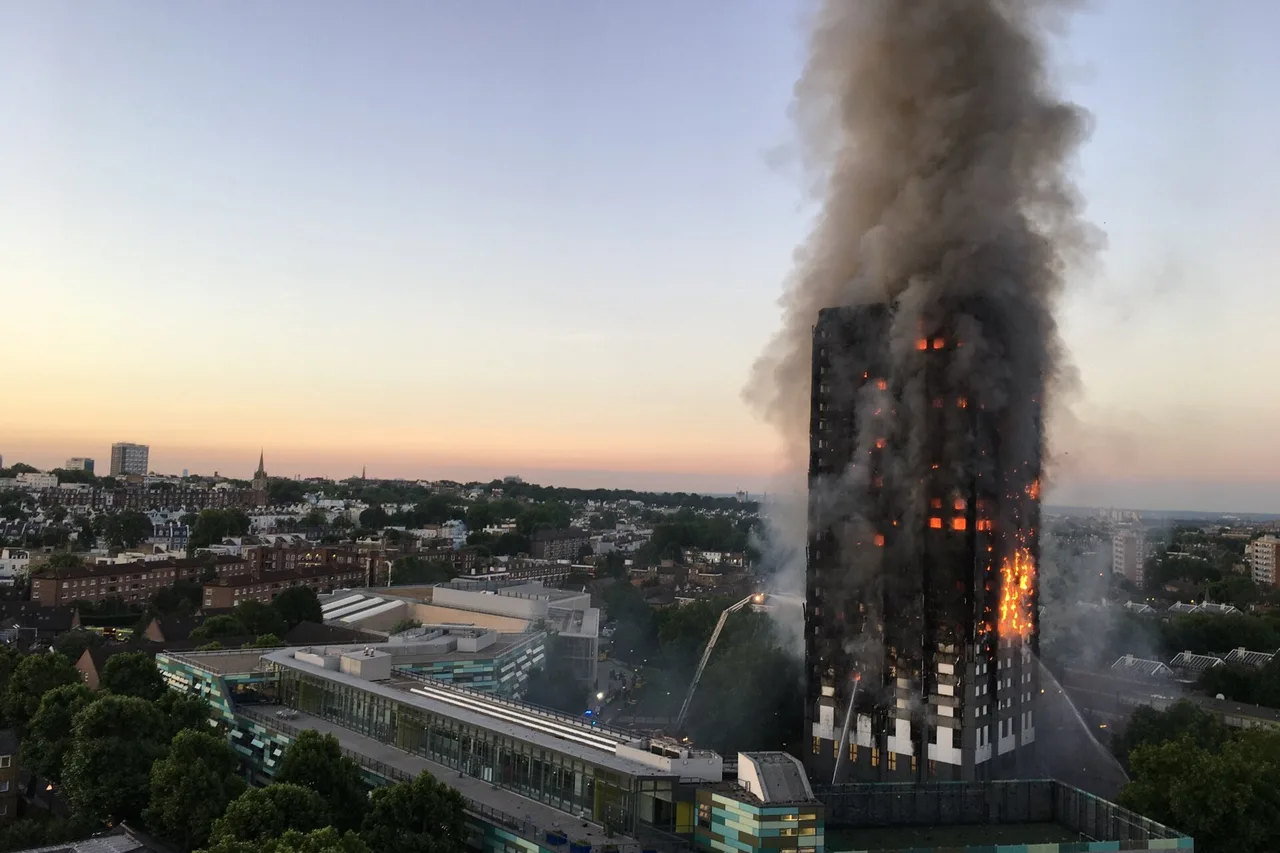
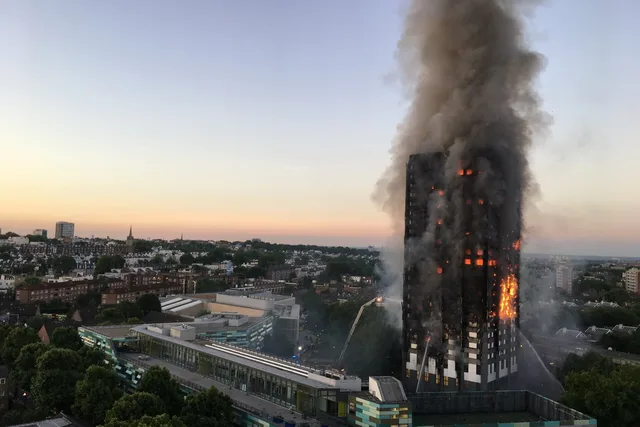
More than nine years after the Grenfell Tower fire, the government has announced that a new construction-product safety duty will not begin before 2028, while a proposed public information library remains on hold pending improvements in data reliability.1 This is the accountability gap that deserves sustained attention: the distance between recognising a failure and putting the protection in place.
The proposed General Safety Requirement would oblige manufacturers to assess risks, supply accurate information and take appropriate steps to ensure products are safe for intended and reasonably foreseeable uses.1 That is meaningful reform. An announcement, however, is not a safeguard already operating on a building site.
Government-commissioned research puts the central estimate of construction-product sales covered by designated standards at just 37% by value.1 That does not establish that everything outside those standards is unsafe or without legal protection; the existing framework includes other safeguards in some circumstances.1 The point is narrower and stronger: ministers have acknowledged a substantial gap in product-specific safety requirements.1 The test now is whether they close it, not whether they can describe it.
There is a serious case against treating every unfinished reform as evidence of indifference. Reliable product information matters, and the proposed duty cannot by itself ensure correct installation or remedy defects in existing buildings.1 Complexity deserves a credible timetable. It should not become an indefinite exemption from scrutiny.
Follow-up journalism should make that distinction visible. For each recommendation, ask who owns delivery, what has actually changed, what remains unresolved and what evidence supports a claim of completion. Apply that test to Grenfell, Infected Blood, Post Office Horizon and Covid alike. Do not confuse a promised reform with an implemented inquiry recommendation, or an accepted recommendation with a completed task.
Responsibility should be traced across ministers of either party and the civil service, rather than reset whenever personnel change. Where work legitimately takes years, publish milestones and explain missed deadlines. Where interim protection is possible, demand it.
Britain’s inquiry system should be judged at the point where its findings become enforceable protection. Otherwise, exhaustive diagnosis risks becoming a substitute for institutional repair.
References (1)
- Property Front Page. Construction Product Safety Rules Not Before 2028. 19 Nov 2026. https://propertyfrontpage.co.uk/construction-products-general-safety-requirement-2028/Context ↩
How to citeCenter for Policy & Stability, “Grenfell’s construction-safety wait demands a deadline for delivery, not another promise,” 20 November 2026, https://policystability.com/post/2026-11/grenfells-construction-safety-wait-demands-a-deadline-for-delivery-not-another/