Housing Failure Has Outgrown the Prosperity Story
Record homelessness counts in the United States and record temporary accommodation in England show that housing failure now reaches families with children and people in work.
Prosperity is being measured at the wrong door. A country can report growth and employment while its housing system leaves families without a stable home and workers unable to afford one.
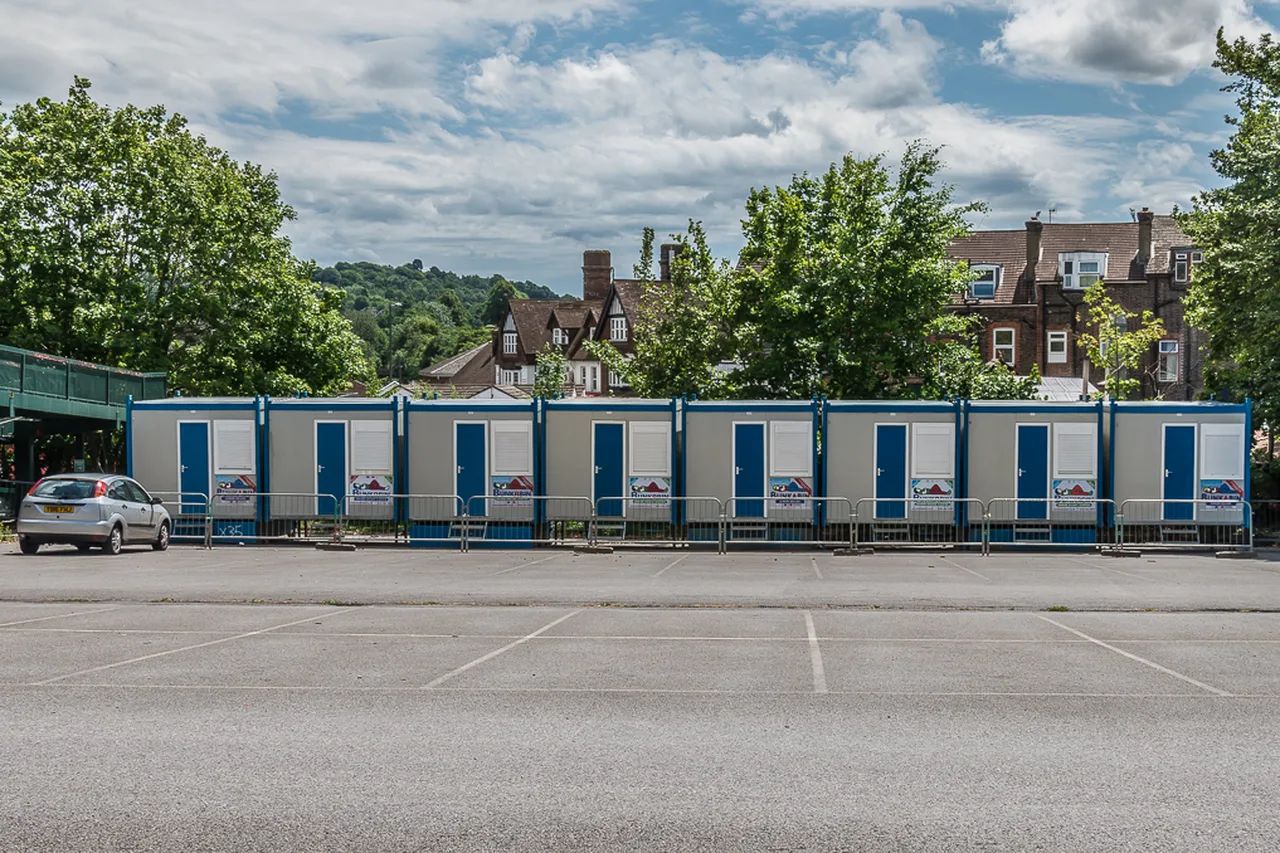
England held 127,890 households in temporary accommodation at the end of 2024.1 Of those households, 81,060 included children.1 The scale turns a supposedly exceptional form of emergency assistance into part of the country’s housing system.
Children are bearing the cost of that failure directly. In June 2024, 159,380 children were living in temporary accommodation in England, the highest number recorded since official figures began.2 A further 123,100 households were in temporary accommodation at that point.2
These figures describe more than a shortage of buildings. They describe a public system that intervenes after housing has been lost, then struggles to restore a secure home. Temporary accommodation can become the destination of policy rather than a bridge back to stability.
The United States presents the same failure through the economics of rent and work. The national housing wage for a modest two-bedroom rental is $32.11 an hour.3 Fourteen of the country’s twenty most common occupations pay less than the one-bedroom housing wage, covering 42% of the workforce.3
Employment is still treated as the dividing line between security and hardship. Housing costs have erased that line. A job can provide income without providing a stable address, while a family can be working and still remain one rent increase away from displacement.
That is why homelessness should not be filed as a problem of exceptional cases. It is a test of whether wages, rents, social housing and public administration fit together. When they do not, the consequences appear first among people with the least room to absorb higher costs.
The response must move beyond emergency beds and temporary placements. Governments need to expand secure, affordable homes and ensure that ordinary work can pay for ordinary housing. Until then, the prosperity story will describe the economy more accurately than it describes how millions of people live.
References (3)
- Ministry of Housing, Communities and Local Government. Statutory homelessness in England: October to December 2024. 30 Apr 2025. https://www.gov.uk/government/statistics/statutory-homelessness-in-england-october-to-december-2024/statutory-homelessness-in-england-october-to-december-2024Supporting ↩
- Crisis. Number of children in temporary accommodation up 15% in England, reaching record high. 28 Nov 2024. https://www.crisis.org.uk/about-us/crisis-media-centre/number-of-children-in-temporary-accommodation-up-15-in-england-reaching-record-high/Supporting ↩
- National Low Income Housing Coalition. NLIHC Releases Out of Reach 2024: The High Cost of Housing. 14 Aug 2024. https://nlihc.org/news/nlihc-releases-out-reach-2024-high-cost-housingSupporting ↩
How to citeCenter for Policy & Stability, “Housing Failure Has Outgrown the Prosperity Story,” 21 November 2026, https://policystability.com/post/2026-11/housing-failure-has-outgrown-the-prosperity-story/