IICSA’s unfinished lessons show how Britain lets institutional failure recur
Responding to Survivors speak out on failures following Independent Inquiry in to Child Sexual Abuse, Channel 4 News (9 Nov 2026)
The child-sexual-abuse inquiry shows that Britain can document institutional failure in detail while implementing its remedies too slowly to stop documented failures recurring.
Britain’s child-protection system is being asked to explain not only what went wrong, but why the machinery built to learn from it has moved so slowly.
The Independent Inquiry into Child Sexual Abuse spent seven years hearing from 7,000 survivors and cost £200 million.1 Its 20 child-protection recommendations were published in 2022.1 That scale of inquiry was supposed to turn testimony into institutional change, not simply produce an authoritative record.
Channel 4 reports that an estimated two million children have been sexually abused since those recommendations appeared.1 That figure does not prove that every case reflects an unimplemented IICSA recommendation. It does show why survivors are unwilling to treat delay as an administrative detail.
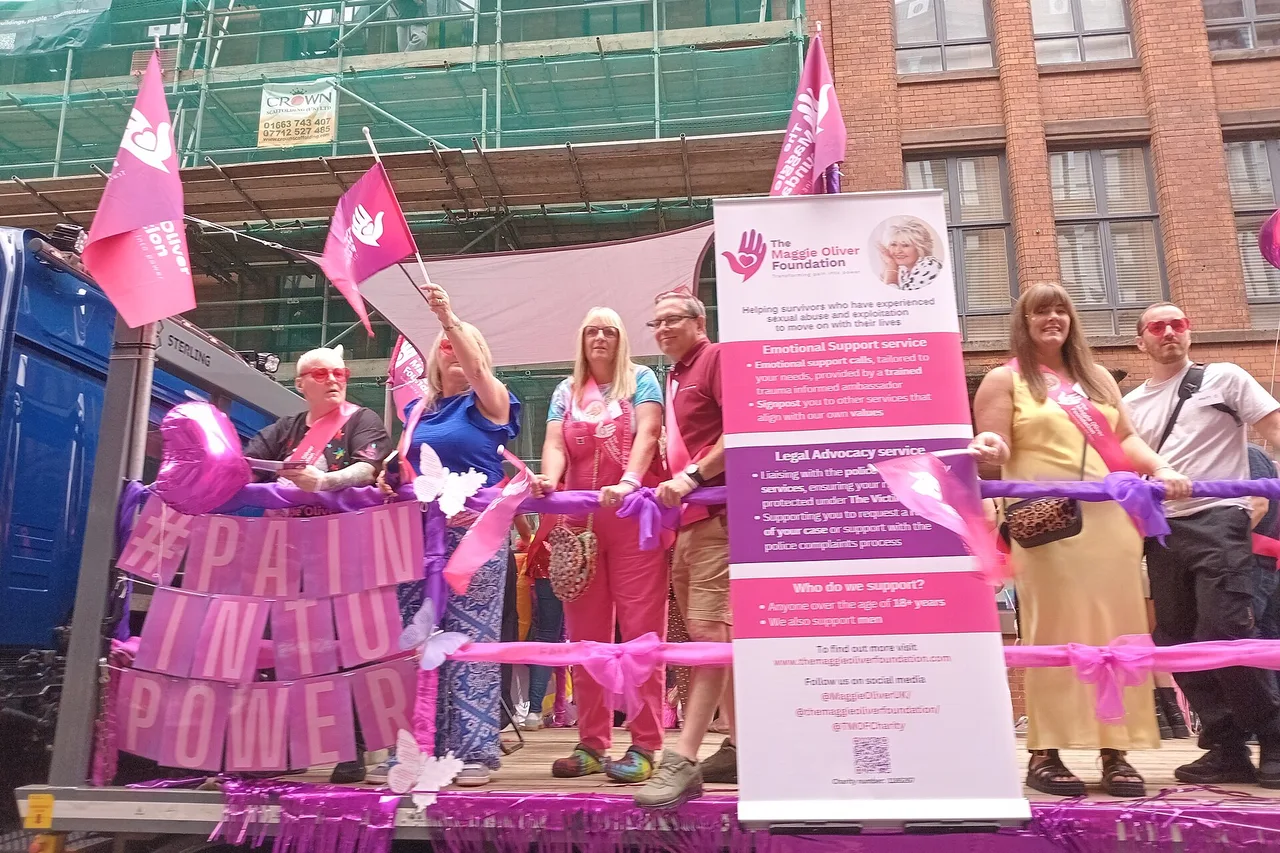
The Maggie Oliver Foundation is taking the government to the High Court over its failure to implement the recommendations.1 The legal action gives survivors a route to challenge the gap between what the inquiry documented and what public institutions have done about it.1
That gap is the recurring British pattern: inquiry first, implementation later, accountability somewhere beyond the original report. The state is often better at assembling evidence than at assigning ownership for acting on it.
There is a legitimate defence. Recommendations can be complex, require coordination and take time. But complexity cannot become a permanent waiver from delivery.
The lesson is harder than “listen to survivors”. Britain has already listened, at length and at great cost. The test is whether the government can publish a clear timetable, identify who is responsible and show that recommendations have changed practice.
Without that follow-through, an inquiry becomes part of the failure it was created to repair. Its report may be exhaustive, its testimony carefully preserved and its conclusions impossible to dismiss. Yet if implementation remains partial, the same institutional weaknesses retain room to operate—and survivors are left to return to court to demand that recorded lessons become protection.
References (1)
- Channel 4 News. Survivors speak out on failures following Independent Inquiry in to Child Sexual Abuse. 9 Nov 2026. https://www.channel4.com/news/survivors-speak-out-on-failures-following-independent-inquity-in-to-child-sexual-abuseContext ↩
How to citeCenter for Policy & Stability, “IICSA’s unfinished lessons show how Britain lets institutional failure recur,” 10 November 2026, https://policystability.com/post/2026-11/iicsas-unfinished-lessons-show-how-britain-lets-institutional-failure-recur/