Islington’s Ms X case shows how councils can fail families in plain sight
Responding to Homeless mum gets £6.4k after Islington closed her housing case twice, My London (12 Nov 2026)
Islington’s mishandling of Ms X’s case shows that a formal homelessness system can still leave a medically vulnerable parent and child in unsafe housing for years.
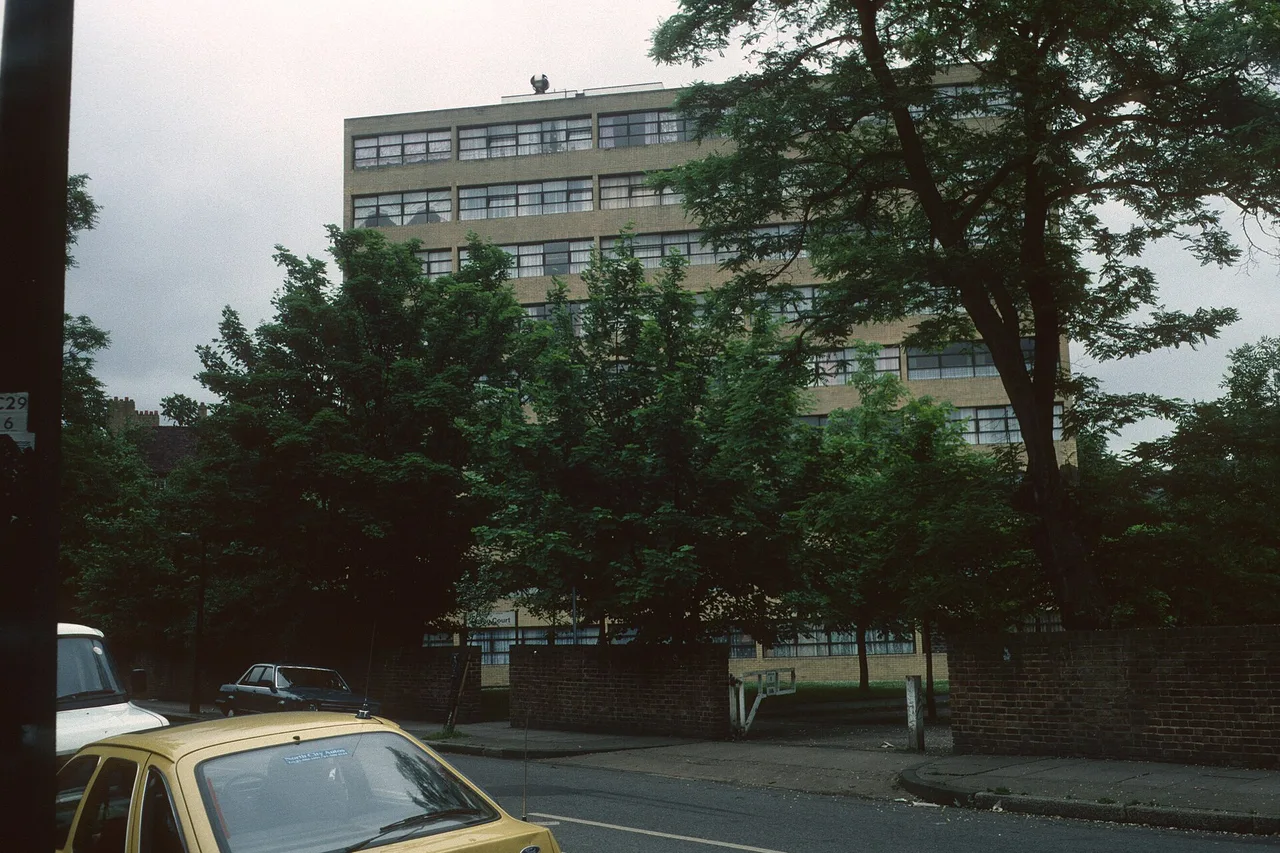
Islington Council left Ms X and her child in a cramped, mouldy flat for more than two and a half years while her serious medical condition worsened1
This was not simply a story about paperwork. It was a failure to turn a recognised vulnerability into timely protection. The family remained in an unsafe home while the council’s process drifted around them.
The Local Government and Social Care Ombudsman found excessive delays and said the council had deprived the woman and child of suitable accommodation for 32 months1
The warning signs were clear. Ms Y told the council about Ms X’s severe health problems, mould and dependent child in 2023, but the case was not progressed despite an upheld complaint and an apology1
Islington then closed the case twice, including once after Ms X had submitted the requested forms two days earlier1
The council did not visit the home until August 2025, after receiving a written legal warning, and it did not place Ms X in temporary accommodation until April 20261
Jason Jackson, Islington’s executive member for homes and neighbourhoods, apologised for the “failings” and said suitable temporary accommodation had been found1
That outcome matters, but it does not make the system work. Compensation can acknowledge harm; it cannot return the time spent in a damp, overcrowded home or remove the need for legal intervention.
Ms X’s case exposes a wider problem in how housing hardship is understood. Under housing law, a family may be homeless even while indoors if it is not reasonable for them to remain in their home1 Ms Y said the council upheld her complaint, apologised and still failed to progress the case1
The test for Islington is therefore not only whether it has hired more staff to monitor cases. It is whether vulnerable households receive timely decisions and safe accommodation without having to find an advocate, repeat their complaints or threaten legal action.
Ms X’s experience makes the cost of administrative drift plain: when institutions delay, the home itself can become the source of continuing harm.
References (1)
- My London. Homeless mum gets £6.4k after Islington closed her housing case twice. 12 Nov 2026. https://www.mylondon.news/news/north-london-news/islington-mum-cramped-mouldy-flat-34899135Context ↩
How to citeCenter for Policy & Stability, “Islington’s Ms X case shows how councils can fail families in plain sight,” 12 November 2026, https://policystability.com/post/2026-11/islingtons-ms-x-case-shows-how-councils-can-fail-families-in-plain-sight/