John McDonnell and the FCA: Britain’s watchdogs cannot mark their own homework
Responding to FCA review of Epstein whistleblower’s death called into question, The Banker (6 Nov 2026)
The FCA’s handling of Simon Andriesz’s death shows that an internal review can reproduce the institutional failure it is supposed to examine.
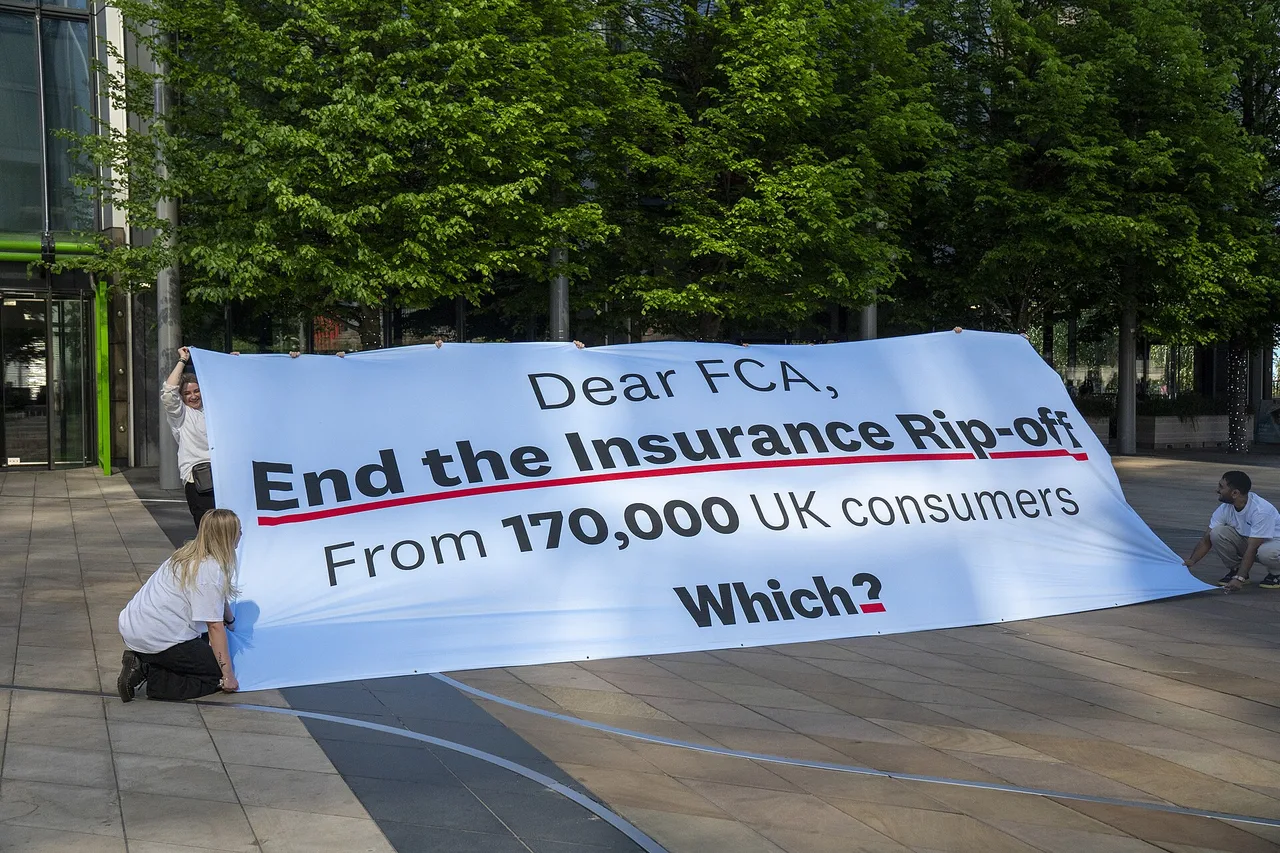
John McDonnell’s questions about the Financial Conduct Authority’s review of its treatment of whistleblower Simon Andriesz point to a familiar British failure: the institution investigating itself cannot clearly show how it reached the decision to do so. Andriesz, who was 57, took his own life on September 23 after years of raising allegations about wrongdoing at BGC Group.1
The FCA asked Lea Paterson, who had recently joined its board as a non-executive director, to review how it had interacted with him.1 Chair Ashley Alder said the move had been considered “very, very carefully”, while chief executive Nikhil Rathi said the board had weighed “a range of options”.1
Then a freedom-of-information request appeared to show, according to McDonnell, no record of that careful consideration, no record of the options and no assessment of Paterson’s independence.1 The FCA supplied just one email, sent by Alder to non-executive directors after he had already asked Paterson to conduct the review.1
That is not proof that the review is false or that Paterson lacks independence. It is proof that the FCA has failed at the first task of accountability: preserving a credible record of who decided what, when and why.
The regulator says its governance rules allow decisions outside formal meetings, including by written procedure, and that its non-executives are independent.1 That may be procedurally defensible. It is not an adequate answer to a family, Parliament or other whistleblowers who are being asked to trust an investigation whose construction is opaque.
The deeper issue is not whether every review must become a public inquiry. It is whether an institution facing questions about its own conduct gets to define the terms, choose the reviewer and retain control of the paper trail. That arrangement invites the conclusion that the exercise is designed to contain failure rather than expose it.
Britain has seen how institutional breakdown is usually cumulative rather than the product of one isolated decision; the Post Office Horizon failure has been described in those terms.2 Public inquiries and regulatory reviews can document failure in exhaustive detail, but accountability remains thin if implementation, records and follow-up are left to the same institutions.
Sir John Saunders has warned that public inquiries can become too adversarial and slow, with lawyers asking too many questions.3 The answer to cumbersome scrutiny cannot be less scrutiny without stronger independence. In the FCA’s case, the immediate requirement is simple: a clear account, an independent investigation and a public record that cannot be rewritten after the fact.
References (3)
- The Banker. FCA review of Epstein whistleblower’s death called into question. 6 Nov 2026. https://www.thebanker.com/content/e7e06019-e3b1-4642-99c5-992eea78945fContext ↩
- thelawyer.com. Governance lessons from the Post Office Horizon failure - The Lawyer | Legal insight, benchmarking data and jobs. 5 Nov 2026. https://www.thelawyer.com/briefing/governance-lessons-from-the-post-office-horizon-failure/Supporting ↩
- Law Society Gazette. Manchester Arena judge says public inquiries are 'too adversarial' | Law Gazette. 5 Nov 2026. https://www.lawgazette.co.uk/news/public-inquiries-too-adversarial-manchester-arena-judge-tells-peers/5128437.articleSupporting ↩
How to citeCenter for Policy & Stability, “John McDonnell and the FCA: Britain’s watchdogs cannot mark their own homework,” 7 November 2026, https://policystability.com/post/2026-11/john-mcdonnell-and-the-fca-britains-watchdogs-cannot-mark-their-own-homework/