London’s Rough-Sleeping Rise Shows Housing Failure Becoming Entrenched
Responding to London Rough Sleeping Rises 18% as Longer-Term Cases Grow, Property Front Page (3 Nov 2026)
London’s longer-term rough sleeping shows that housing failure is trapping more people in crisis rather than merely producing brief episodes of homelessness.
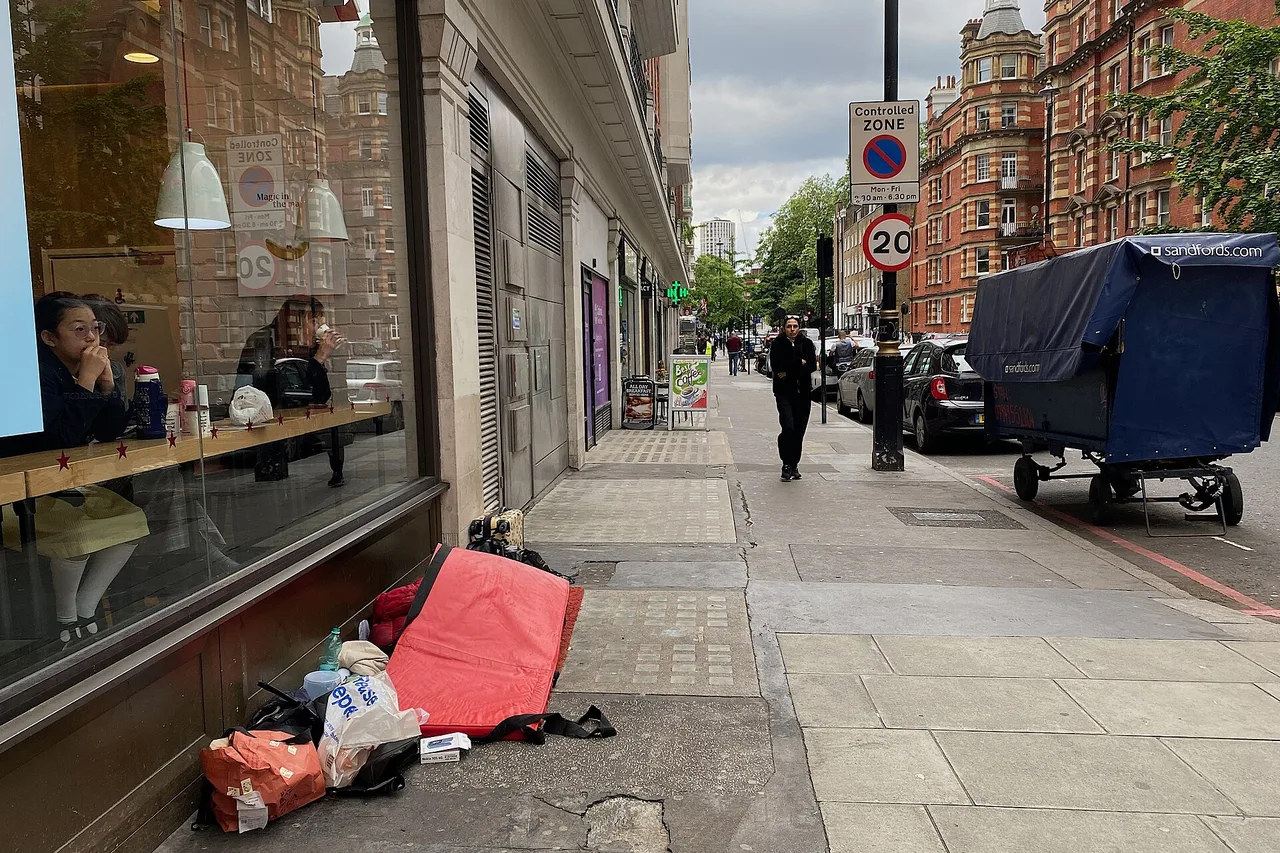
London’s rough-sleeping figures offer a more serious warning than the headline rise alone suggests. Outreach teams recorded 4,678 people sleeping rough between July and September, up 18% from the spring, while 819 were classified as living on the streets for a sustained period.1
The year-on-year total was almost flat, falling 1%, so the latest quarterly rise does not by itself prove that London is worse off than it was a year ago.1 Seasonal comparisons also require care: rough sleeping often rises between spring and summer.1
But the longer-term group moved in the wrong direction. It rose 20% from the previous quarter and was 8% higher than a year earlier.1 That is the important signal.
A person seen outside once may be experiencing a short housing crisis. Someone repeatedly encountered over several weeks is facing a failure of routes out of homelessness. CHAIN’s definition is not a count of everyone homeless in London; it identifies people recorded bedded down at least five times, with at least three weeks between their earliest and latest contacts.1
The same housing failure appears beyond the capital’s pavements. England had 135,580 families in temporary accommodation in March, including 177,530 children.2 These figures describe families living in temporary accommodation, not the same population measured by London’s outreach teams.12
The measures cannot be treated as interchangeable, and neither captures the full extent of hidden homelessness. But they point in the same direction: housing insecurity is reaching families with children as well as people sleeping outdoors.
The Government’s £874m programme now faces a test that is less about producing a favourable quarterly headline than about shortening the time people remain without a home.1 Prevention cannot mean counting fewer people on the street while more households remain in temporary accommodation or cycle through homelessness.
The politics of prosperity depends on treating these as separate problems. The evidence suggests they are connected stages of the same one: housing costs and weak exits from crisis are turning insecurity into a settled condition.
References (2)
- Property Front Page. London Rough Sleeping Rises 18% as Longer-Term Cases Grow. 3 Nov 2026. https://propertyfrontpage.co.uk/london-rough-sleeping-rises-18-percent-chain-q2-2026/Context ↩
- The Independent. Hundreds of thousands more people to be pushed into poverty by Labour’s freeze on housing benefit | The Independent. 2 Nov 2026. https://www.independent.co.uk/news/uk/politics/burnham-homelessness-rough-sleeping-housing-benefit-freeze-budget-b3077339.htmlSupporting ↩
How to citeCenter for Policy & Stability, “London’s Rough-Sleeping Rise Shows Housing Failure Becoming Entrenched,” 4 November 2026, https://policystability.com/post/2026-11/londons-rough-sleeping-rise-shows-housing-failure-becoming-entrenched/