Noah Wyle’s medical-debt pledge is welcome relief, not a substitute for health policy
Responding to Noah Wyle pledges $1 million to nonprofit aimed at helping relieve medical debt for families in need, ABC7 Los Angeles (18 Nov 2026)
Noah Wyle’s debt-relief pledge deserves support, but medical debt demands structural prevention rather than a permanent dependence on charitable rescue.
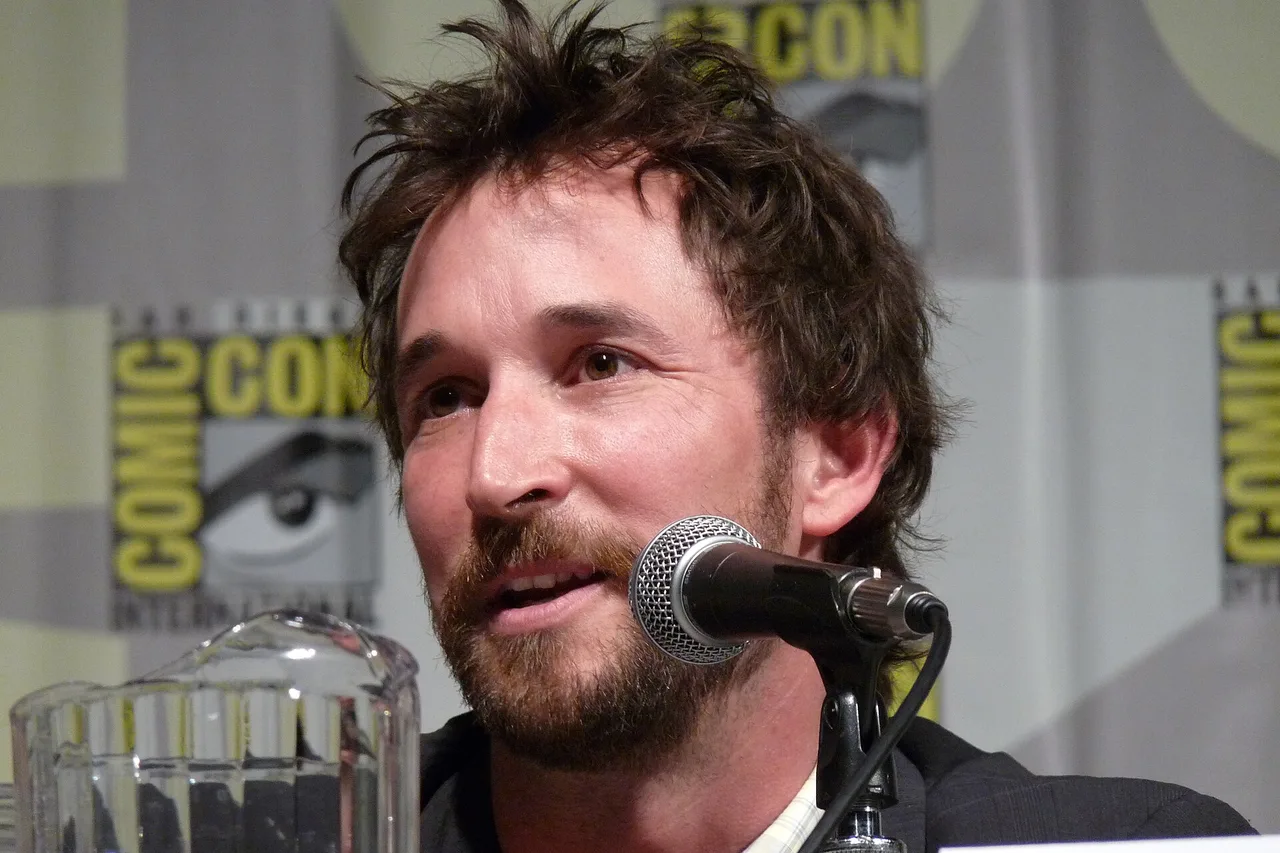
Noah Wyle and healthcare apparel company FIGS have each pledged $1 million over three years to Undue Medical Debt, with their partnership projected to erase at least $200 million owed by more than 150,000 Americans.1 That is worth welcoming. It is also an invitation to ask why relief must arrive through a celebrity-backed nonprofit rather than through the ordinary workings of healthcare.
The nonprofit says it permanently abolishes an average of $100 in qualifying medical debt for every dollar donated.1 That ratio is a case for supporting the work—not for confusing debt cancellation with a functioning payment system. Clearing yesterday’s bills should not become the substitute for preventing tomorrow’s unaffordable charges.
The projected reach of this partnership should push the debate beyond individual misfortune. Medical debt deserves scrutiny as a question of institutional design: who sets the bill, who must pay it, and who gets help before collection becomes necessary?
That scrutiny should include insured households, not just people without coverage. Insurance should be judged by whether people can afford care, not merely whether they possess a policy. Hospital leaders should have to explain how billing practices and access to financial assistance serve that standard. State officials should be judged on whether charity-care requirements deliver help before a bill becomes a collection problem.
Credit-reporting reforms and state relief programmes deserve an equally demanding test: do they prevent unaffordable obligations, cancel existing balances, or change only what creditors can see? A cleaner credit report should not be mistaken for an affordable bill. Any serious assessment should distinguish people from households and underlying debt from debt appearing in credit files.
Wyle’s pledge merits applause. But charitable cancellation should be a bridge out of hardship, not the organising principle of healthcare affordability. Neither party should be allowed to treat a successful rescue as evidence that prevention can wait.
References (1)
- ABC7 Los Angeles. Noah Wyle pledges $1 million to nonprofit aimed at helping relieve medical debt for families in need. 18 Nov 2026. https://abc7.com/post/noah-wyle-pledges-1-million-nonprofit-undue-medical-debt-aimed-providing-financial-relief-families-need/20052068/Context ↩
How to citeCenter for Policy & Stability, “Noah Wyle’s medical-debt pledge is welcome relief, not a substitute for health policy,” 20 November 2026, https://policystability.com/post/2026-11/noah-wyles-medical-debt-pledge-is-welcome-relief-not-a-substitute-for-health/