Richmond’s school tax win exposes the limits of funding safe classrooms by ballot
Responding to How Richmond, Virginia, schools are tackling a $680M facilities funding shortfall, Facilities Dive (19 Nov 2026)
Richmond’s school tax vote shows why basic educational facilities need dependable public funding beyond what local voters and tax bases can deliver.
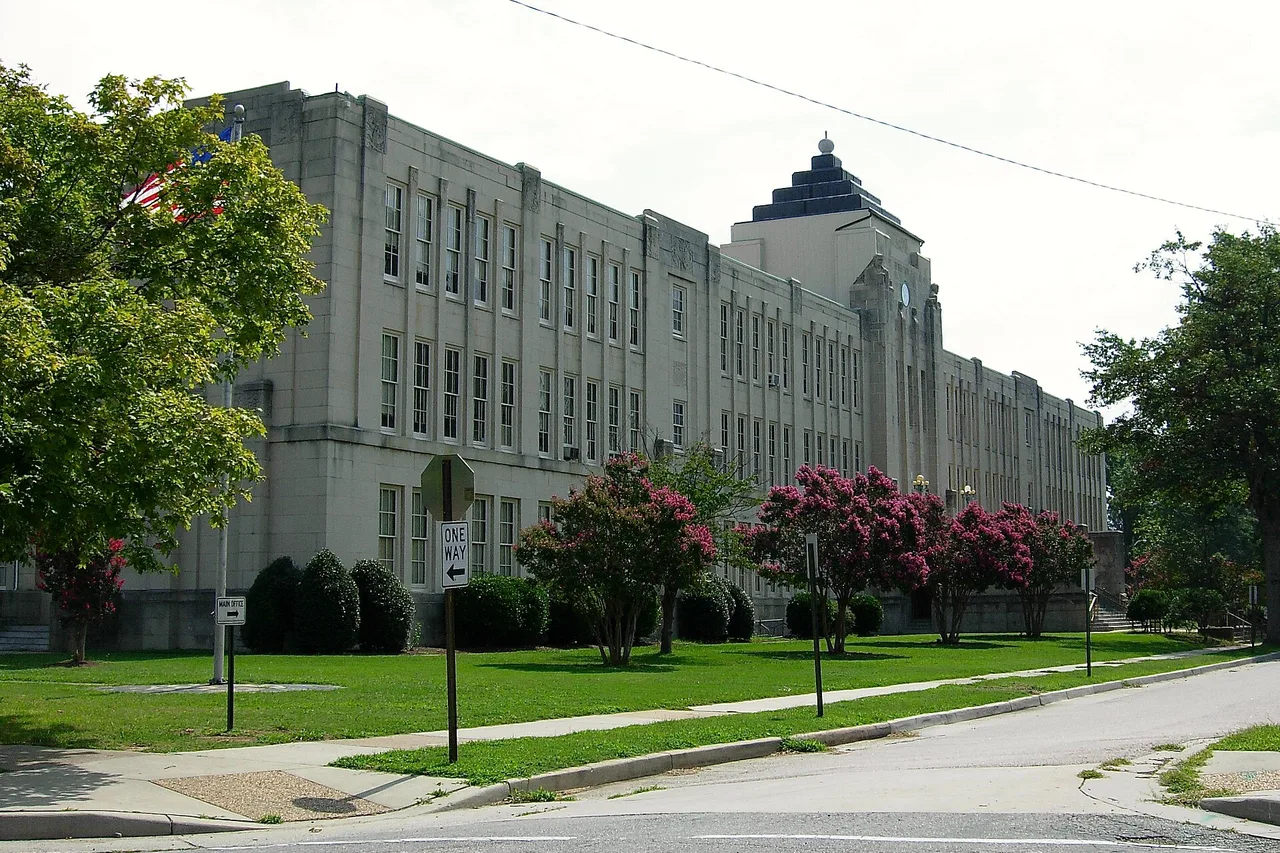
Richmond voters have given Superintendent Jason Kamras a substantial mandate: 68% backed a sales-tax increase of 1% for school construction and renovation, against an assessed facilities backlog of roughly $680 million.1 Their approval deserves recognition. Safe classrooms should also come with a more dependable guarantee than a successful local tax campaign.
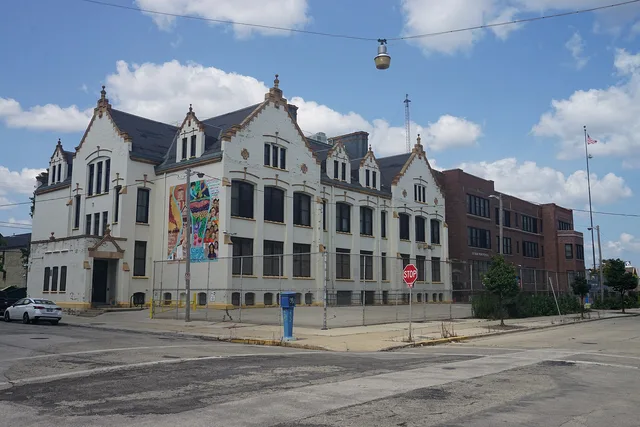
The assessment describes widespread mold, flood damage and HVAC problems across a district where about 70% of schools are more than 50 years old.1 These are basic conditions for delivering education. Treating them as optional improvements understates the obligation.
The approved tax could generate an estimated $850 million over 20 years, but Kamras puts actual needs above $1 billion and says the proceeds will remain insufficient.1 A successful referendum can therefore leave the underlying problem unresolved. Voter generosity cannot substitute for a funding system capable of meeting the bill.
Precision matters here. Richmond approved a sales tax dedicated to buildings, and the City Council still needs to enact an ordinance.1 This measure should be assessed as a response to capital needs. The evidence establishes a continuing facilities gap; it does not establish classroom budget cuts after passage. Those are different claims, requiring different evidence.
The wider financing pattern helps explain Richmond’s predicament: the State of Our Schools report, cited by Facilities Dive, puts states’ average contribution to construction and equipment funding at about 17%, with the federal government contributing 3.2%.1 That distribution places a heavy obligation on local communities. Making adequate buildings depend on local revenue and voter approval risks turning unequal resources into unequal educational conditions.
The strongest defence of existing funding arrangements would demonstrate that state support adequately compensates for differences in local resources. That defence requires evidence about facilities funding and building conditions. An argument based on classroom spending alone would leave the capital question unanswered.
Richmond’s vote offers a route to repairs. It also poses a harder question for state and federal officials: what guarantee should children receive when their community cannot secure the same result? A safe school should be a public commitment that survives an unsuccessful ballot.
References (1)
- Facilities Dive. How Richmond, Virginia, schools are tackling a $680M facilities funding shortfall. 19 Nov 2026. https://www.facilitiesdive.com/news/how-richmond-va-schools-are-tackling-a-680m-facilities-funding-shortfal/875066/Context ↩
How to citeCenter for Policy & Stability, “Richmond’s school tax win exposes the limits of funding safe classrooms by ballot,” 21 November 2026, https://policystability.com/post/2026-11/richmonds-school-tax-win-exposes-the-limits-of-funding-safe-classrooms-by-ballot/