Roger Marshall’s medical-debt defense makes illness a political liability
Responding to Roger Marshall defends medical debt practice in campaign ad, thehill.com (2 Nov 2026)
Roger Marshall’s campaign ad exposes how American health care turns patients’ illness into household debt, even when the doctor calling in the money once promised care for everyone.
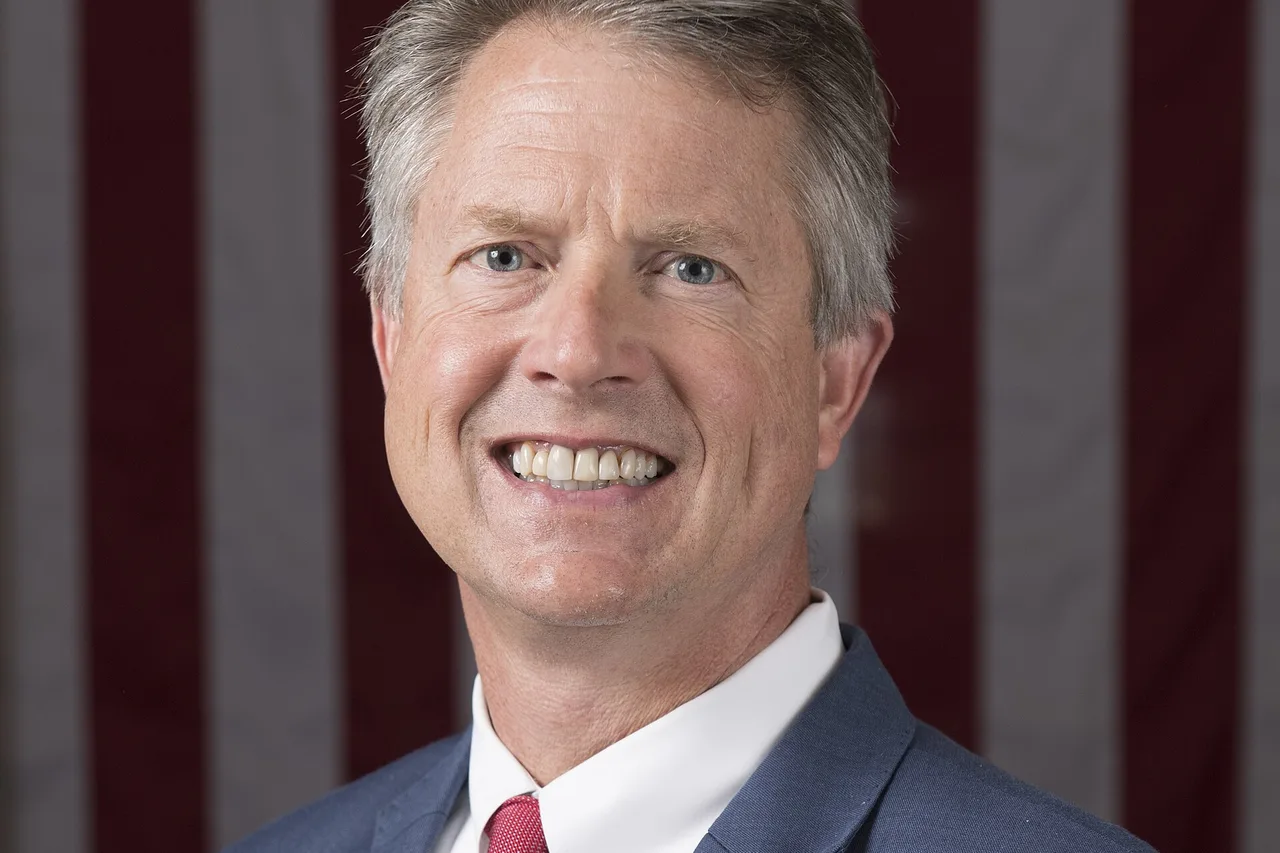
Sen. Roger Marshall’s campaign ad defending lawsuits against former patients is more than an awkward episode in a Kansas Senate race: it is a concise portrait of how medical care becomes household financial liability. Marshall, a former obstetrician, says he treated everyone regardless of ability to pay, wrote off hundreds of bills monthly and sometimes sent accounts to collection agencies to keep his practice operating.1
That is the language of a doctor explaining a system, not necessarily the language of a system that works. The patient hears “care”; the balance sheet hears an unpaid account. Marshall’s claim that his involvement ended once an outside agency received the debt does not erase the consequences for the person who received the bill.
The underlying record is difficult to square with the ad’s reassuring tone. Marshall sued more than 700 patients over medical debt while practicing, and at least 81 patients were arrested after missing court dates; some others faced wage garnishment.1 Meischa Zimmerman, one of those patients, says she was arrested after missing a monthly payment of $50 and has filed a class-action lawsuit accusing Marshall and his practice of operating a predatory collection scheme.1
The point is not that every medical practice can simply stop collecting money. It is that the United States has made the cost of illness a private negotiation between vulnerable households and institutions with legal power. Medical debt is not confined to people without insurance: recent Ohio data found it affecting insured as well as uninsured residents.2
Marshall’s defense—that practices must “keep the lights on”—may be understandable as business arithmetic. It is not an answer to who bears the risk when a patient cannot pay. Hospitals and collectors confront debts that people do not want to pay but cannot pay, as one medical-debt organization put it.3
That distinction should guide the policy debate. Charity care, billing rules and court procedures are not side issues; they determine whether an illness becomes a manageable expense or a chain of lawsuits, arrests and lost wages. Marshall’s ad makes the structural problem visible because he is defending the machinery, not denying that it exists.
References (3)
- thehill.com. Roger Marshall defends medical debt practice in campaign ad. 2 Nov 2026. https://thehill.com/homenews/campaign/6189639-roger-marshall-medical-debt-campaign-ad/Context ↩
- Ohio Capital Journal. Medical debt hit 1 in 4 Americans and 1 in 5 Ohioans last year, even the insured, study shows • Ohio Capital Journal. 27 Oct 2026. https://ohiocapitaljournal.com/2026/10/27/medical-debt-hit-1-in-4-americans-and-1-in-5-ohioans-last-year-even-the-insured-study-shows/Supporting ↩
- news.wttw.com. Illinois Grapples With Medical Debt, Care Access as Medicaid Work Requirements Loom. 28 Oct 2026. https://news.wttw.com/2026/10/28/illinois-grapples-medical-debt-care-access-medicaid-work-requirements-loomSupporting ↩
How to citeCenter for Policy & Stability, “Roger Marshall’s medical-debt defense makes illness a political liability,” 4 November 2026, https://policystability.com/post/2026-11/roger-marshalls-medical-debt-defense-makes-illness-a-political-liability/