Scotland’s Falling Council Lettings Show the Housing System Losing Ground
Responding to Scotland Council Lettings Fall 14% as Homelessness Rises, Property Front Page (2 Nov 2026)
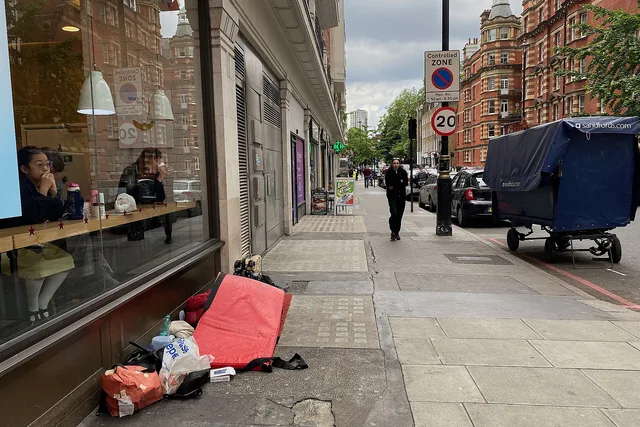
Scotland’s shrinking flow of permanent social homes, alongside record temporary accommodation, shows that housing failure is trapping families rather than merely failing to build enough.
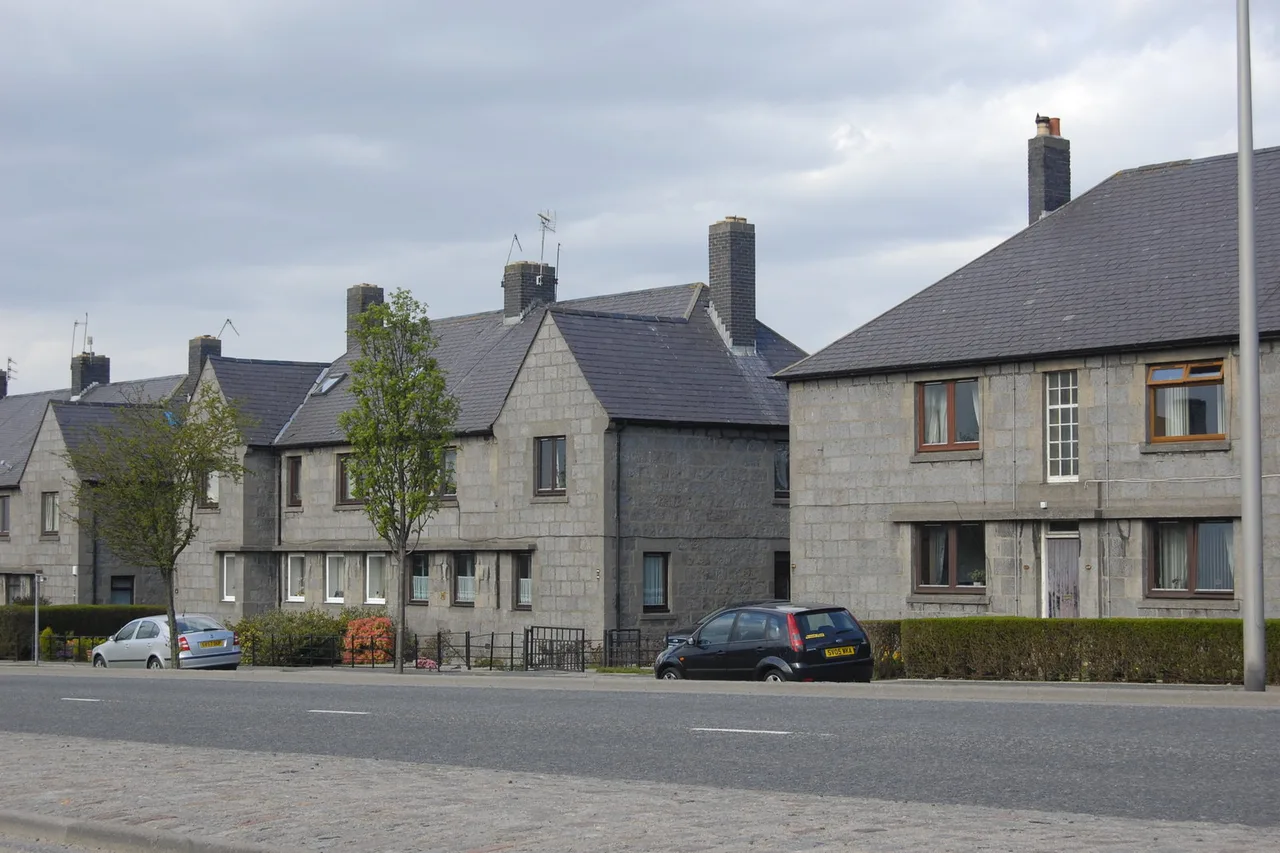
Scotland has more social homes than a year ago, but far fewer are reaching households that need a permanent home: councils made 22,843 lettings in 2025–26, down 14%, while 19,004 households were in temporary accommodation, a record.12 That is not a simple story of too few buildings; it is a story of a housing system failing to turn stock into secure exits from homelessness.
The Scottish Housing Regulator says the social rented stock rose 0.5% to 639,165 homes, even as all social lettings fell 9% to 45,924.1 For people living in temporary accommodation, the distinction between homes existing and homes becoming available is decisive. A development announcement cannot substitute for a tenancy that is ready now.
The pressure is also becoming more concentrated. Homeless households received a larger share of council lettings, but the total number of permanent opportunities still fell; prioritising people in greatest need cannot solve a shortage of move-on homes. The result is a queue that lengthens even when the number of new homelessness applications is broadly stable.
Scotland recorded 34,964 open homelessness cases, up 10%, while 10,715 children were living in temporary accommodation in 2025–26.1 That is the part of the story that housing-supply dashboards tend to miss: institutional failure is measured not only in units built, but in families spending months without a settled home.
The same pattern is visible elsewhere in Britain, though the measures must not be treated as directly comparable: England had 135,580 families in temporary accommodation in March 2026, including 177,530 children.3 The precise definitions differ, but the direction is clear enough to challenge the comfortable picture of prosperity. Taken together, these figures should challenge any comfortable picture of prosperity.
For some Scottish households, homelessness is not a brief interruption but a prolonged condition: cases still open at year-end had spent an average of 325 days in temporary accommodation.1 Councils may be allocating scarce homes more carefully, yet families remain without the lasting security that allocation is supposed to deliver. The policy test is therefore not whether Scotland can add housing on paper, but whether people can actually move from temporary shelter into a home they can keep.
References (3)
- Property Front Page. Scotland Council Lettings Fall 14% as Homelessness Rises. 2 Nov 2026. https://propertyfrontpage.co.uk/scotland-housing-statistics-council-lettings-fall-2025-26/Context ↩
- dailyrecord.co.uk. Housebuilding in Scotland plummets despite record number of kids living in temporary accommodation - Daily Record. 27 Oct 2026. https://www.dailyrecord.co.uk/news/politics/housebuilding-scotland-plummets-despite-record-37815191.ampSupporting ↩
- The Independent. Hundreds of thousands more people to be pushed into poverty by Labour’s freeze on housing benefit | The Independent. 2 Nov 2026. https://www.independent.co.uk/news/uk/politics/burnham-homelessness-rough-sleeping-housing-benefit-freeze-budget-b3077339.htmlSupporting ↩
How to citeCenter for Policy & Stability, “Scotland’s Falling Council Lettings Show the Housing System Losing Ground,” 3 November 2026, https://policystability.com/post/2026-11/scotlands-falling-council-lettings-show-the-housing-system-losing-ground/