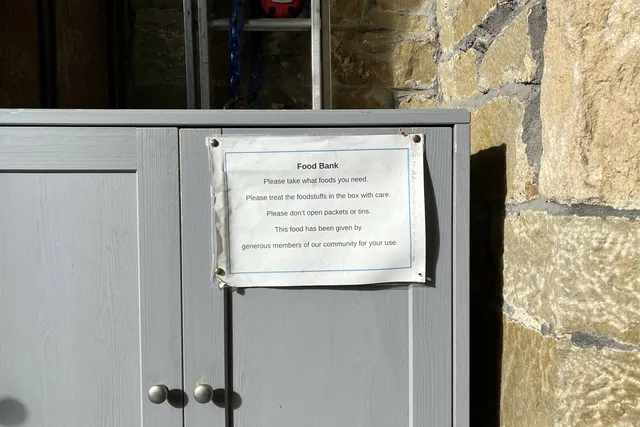
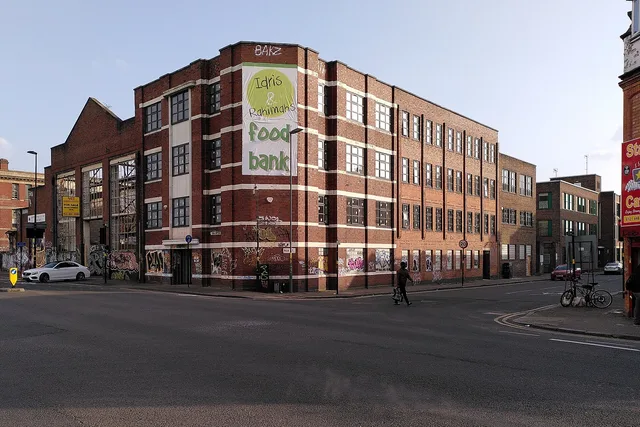
Scotland’s food-bank forecast exposes the limits of benefits and wages
Responding to Half a million Scots at risk of needing food bank over next year, report finds, Ireland Live (4 Nov 2026)
Trussell’s forecast shows that charitable food aid is becoming part of how too many Scottish households survive, because incomes and benefits do not reliably cover essentials.
Scotland’s food-bank forecast is not a story about charity succeeding. It is a warning that the income system is failing at its most basic task: allowing people to eat, heat their homes and meet unavoidable bills without emergency aid.
Trussell estimates that 550,000 people in Scotland could need a food bank over the coming year, an increase of 25,000 since 2024/25.1 Its survey found that 17% of people had run out of food and could not afford to buy more in the previous year, while 10% had cut back on food in the previous three months to pay for essentials including housing, transport or heating.1
The strongest objection is that food-bank figures are not a perfect measure of hardship. More supply, more referral routes or better public awareness can increase use even when underlying need has not moved in lockstep. That is a reason to interpret the numbers carefully, not to dismiss them. People do not skip meals because an organisation has opened a warehouse; they do so because the household budget has run out.
The distribution of that hardship matters. Trussell found that 28% of disabled people and 26% of carers in Scotland had run out of food and could not afford more, compared with 13% of people who were neither disabled nor carers.1 This is not an unfortunate edge effect of prosperity. It is evidence that the groups most exposed to extra costs and limited earning power are being asked to absorb risks that social security is meant to cushion.
Holyrood has a responsibility, but so does Westminster. The Scottish Government says it is committing around £3.5 billion in 2026-27 to anti-poverty and cost-of-living policies, including £41 million for the Scottish Welfare Fund.1 It also faces a clear demand to raise the Scottish Child Payment from £40 to £55 a week over time.1
Those measures may reduce pressure, but they cannot substitute for an adequate UK-wide safety net. Labour ministers should be judged by the same standard as the Conservative governments that preceded them: whether families can afford the basics without being routed through a food bank. The measure of a richer country is not how efficiently it distributes parcels, but how rarely people need them.
References (1)
- Ireland Live. Half a million Scots at risk of needing food bank over next year, report finds. 4 Nov 2026. https://www.ireland-live.ie/scotland-news/half-a-million-scots-at-risk-of-needing-food-bank-over-next-year-report-finds-9328894Context ↩
How to citeCenter for Policy & Stability, “Scotland’s food-bank forecast exposes the limits of benefits and wages,” 4 November 2026, https://policystability.com/post/2026-11/scotlands-food-bank-forecast-exposes-the-limits-of-benefits-and-wages/