Sullivan’s school-tax cap is not a school-funding plan
Responding to Sullivan school budget cap vote unchanged after recount | Local News | keenesentinel.com, keenesentinel.com (18 Nov 2026)
Sullivan’s school-tax cap shows why limits on local taxation must be matched by a credible guarantee that children’s educational needs will still be met.
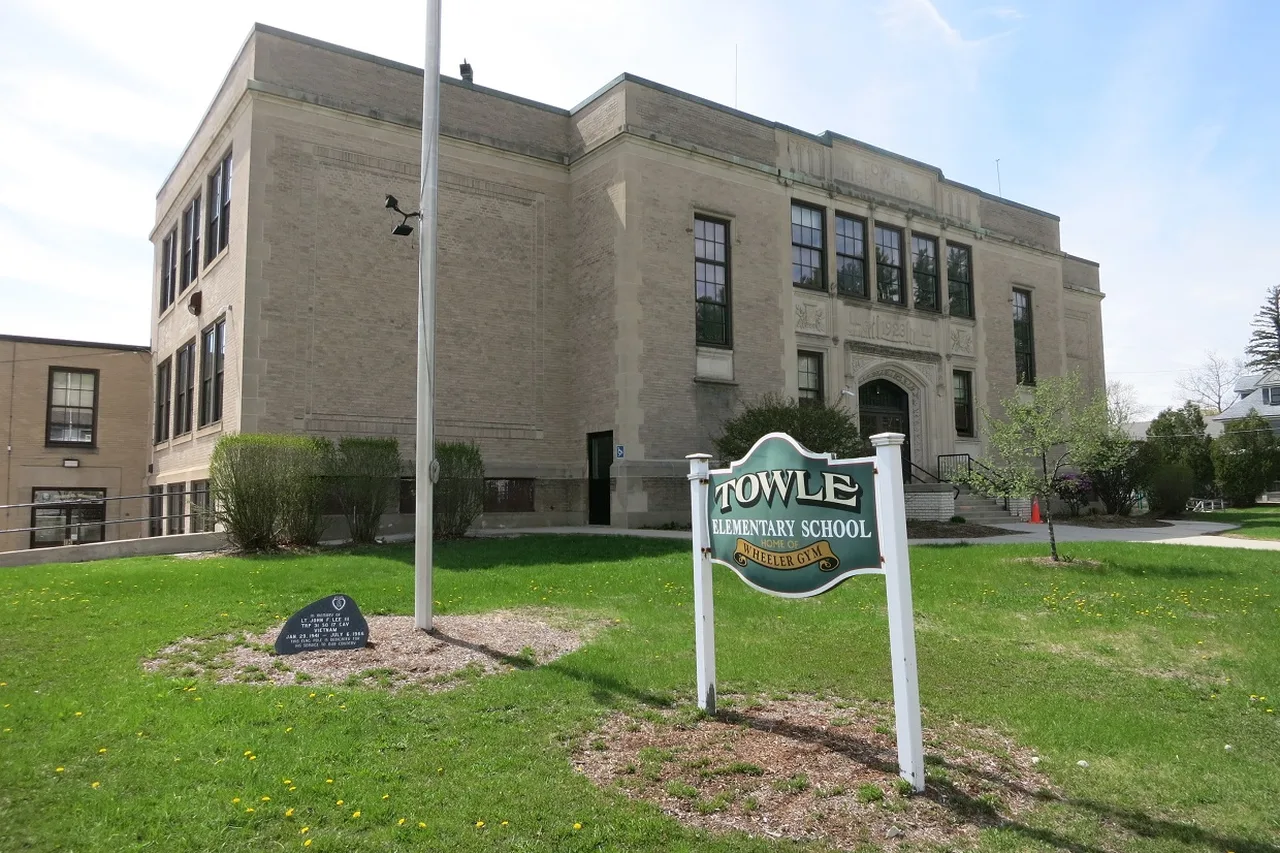
Sullivan School District’s property-tax funding cap has survived a recount, leaving intact the outcome of an Election Day vote that originally stood at 206–124 in favor.1 The counting question is settled. The harder question is whether limiting a district’s taxing power comes with any credible assurance that its schools will have what they need.
The ballot question asked voters to cap the amount the district can raise from property taxes for its budget and to limit school administrative unit budgets to 6 percent of the total budget.1 Those are spending and revenue constraints, not an educational plan. A percentage limit cannot establish what it costs to provide an adequate education.
Taxpayers deserve a serious response to concerns about their bills. But accountability must run both ways: officials advocating limits should explain how educational needs will be funded within them. Calling for restraint is easier than demonstrating that the resulting budget will work.
This reaches beyond Sullivan: voters in at least 113 New Hampshire towns approved the question, according to New Hampshire Public Radio reporting cited by the Sentinel.1 The proper lens is therefore not merely a local dispute over a local bill. It is the relationship between local tax decisions and the public obligation to educate children.
The strongest defense would be that state support can protect schools from differences in local taxing capacity. That argument deserves testing against adequate funding, not acceptance on principle. State officials should show what resources remain available after a cap and whether they meet educational needs.
The Sentinel’s account does not establish that Sullivan will cut classroom services or that its remaining funding is adequate.1 Neither outcome should be invented to win an argument. The Board’s standard is simpler: a successful campaign to limit school taxes is not a substitute for a credible commitment to fund schools.
References (1)
- keenesentinel.com. Sullivan school budget cap vote unchanged after recount | Local News | keenesentinel.com. 18 Nov 2026. https://www.keenesentinel.com/news/local/sullivan-school-district-budget-cap-question-2-election-day-recount-unchanged-nh-2026/article_83c75815-3ac2-456a-98d7-baf20ed6b9a5.htmlContext ↩
How to citeCenter for Policy & Stability, “Sullivan’s school-tax cap is not a school-funding plan,” 19 November 2026, https://policystability.com/post/2026-11/sullivans-school-tax-cap-is-not-a-school-funding-plan/