Texas’s school funding defeats expose the limits of education by referendum
Responding to School Districts Asked Voters for More Funding. Many Said No, Education Week (11 Nov 2026)
States should guarantee adequate school funding rather than leave basic services dependent on local taxpayers’ capacity and willingness to approve a ballot measure.
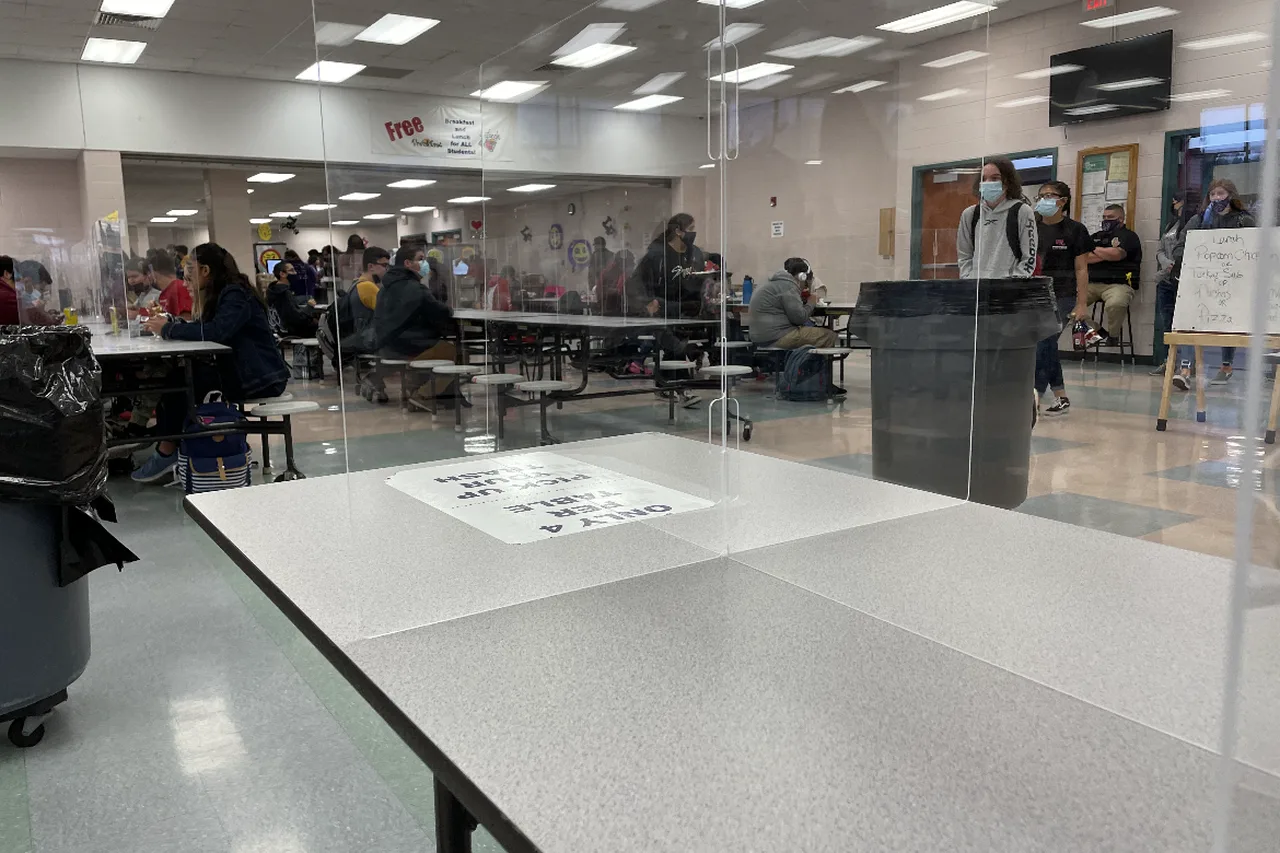
Gina Hinojosa defeated Texas Gov. Greg Abbott while proposing greater investment in public schools, but fewer than one-third of the state’s 78 local school tax and bond propositions passed, according to Education Week’s analysis of unofficial results.1 The incoming governor should read those outcomes together: a statewide political victory offers no guarantee that individual districts can secure money locally.
The central question is what a public education guarantee means when communities must repeatedly vote on paying for it. A child’s access to basic services should not depend on whether a district can assemble a winning tax campaign.
The distinction between operating money and construction funding matters. Texas’s reported total combines tax increases and bond issues; it cannot tell us how many defeats threatened classroom operations specifically.1 In Ohio, only five of 39 requests for new district income taxes to cover operating expenses passed.1 Paying teachers and repairing buildings require different funding tools. Both deserve a dependable public commitment.
Wisconsin makes the stakes especially clear: 125 districts held or planned property-tax referendums in 2026 to maintain services.2 That is a troubling purpose for an election campaign. Maintaining ordinary provision should be a baseline responsibility of government.
The strongest defense of local referendums is that state formulas can equalize resources while voters control additional spending. Testing that defense requires evidence of what those formulas actually deliver. These election results alone establish neither a widening property-wealth gap nor a decline in inflation-adjusted spending per pupil. Higher spending would still need to be assessed against costs and educational needs.
Success at the ballot box also deserves scrutiny. Wisconsin voters approved funding referendums in 45 districts while rejecting them in 34.1 Approval should prompt a further question: does the money secure adequate services, or merely narrow the next round of cuts?
States should publish that answer district by district, alongside the consequences of defeat. Local consent has a legitimate place in school finance. It becomes an institutional failure when the ballot is the gatekeeper for an adequate education.
References (2)
- Education Week. School Districts Asked Voters for More Funding. Many Said No. 11 Nov 2026. https://www.edweek.org/leadership/school-districts-asked-voters-for-more-funding-many-said-no/2026/11Context ↩
- Wisconsin Public Radio. DPI calls for 'fundamental shift' in school funding and $2.75B in new aid - WPR. 13 Nov 2026. https://www.wpr.org/news/dpi-budget-proposal-2027-fundamental-shift-school-fundingSupporting ↩
How to citeCenter for Policy & Stability, “Texas’s school funding defeats expose the limits of education by referendum,” 16 November 2026, https://policystability.com/post/2026-11/texass-school-funding-defeats-expose-the-limits-of-education-by-referendum/