TfL’s Croydon tram lessons show how public inquiries fade into promises
Responding to TfL has not learned lessons from Croydon tram crash, former safety chair claims, MyLondon (12 Nov 2026)
The Croydon crash shows that documenting institutional failure is not enough when responsibility remains diffuse and reform is left to the institutions that failed.
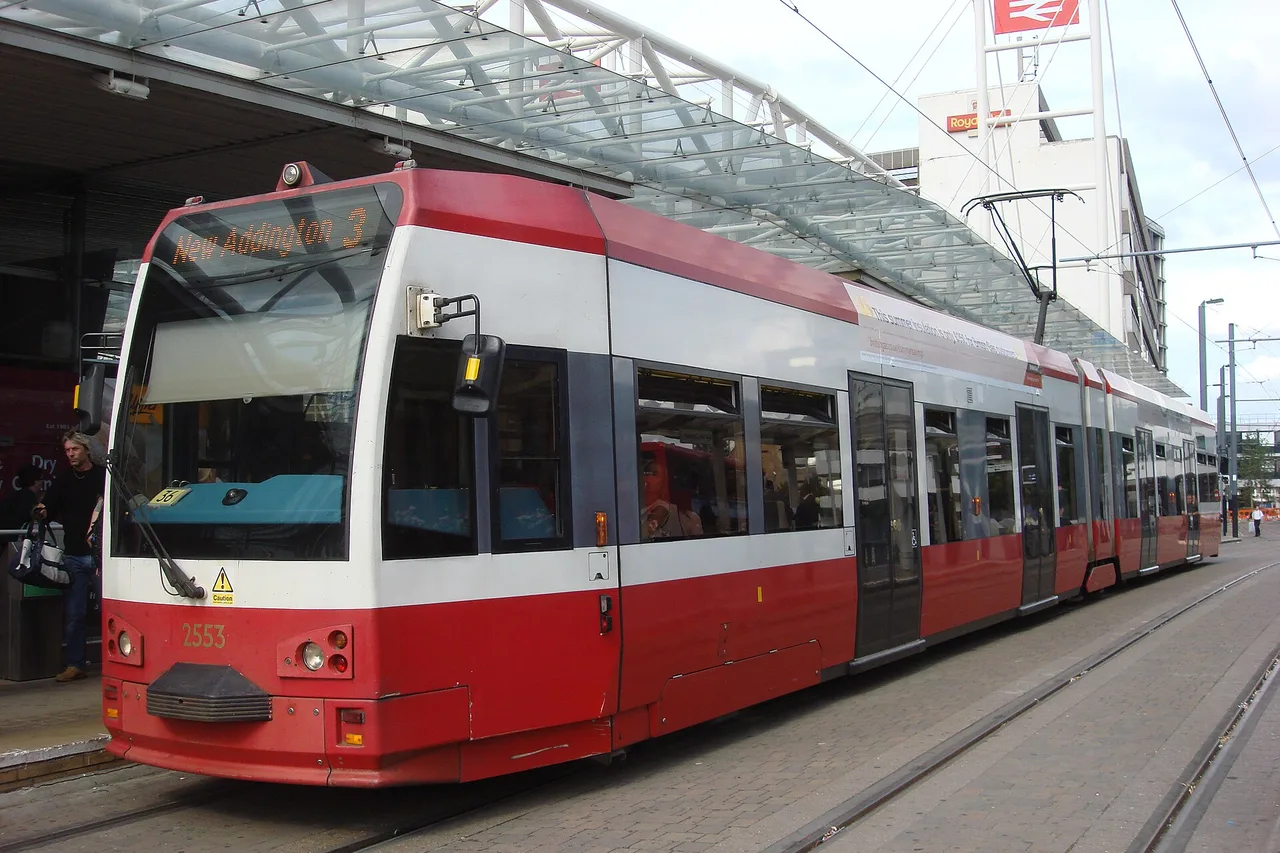
Ten years after the Croydon tram crash, former Transport for London board member Michael Liebreich says the authority has failed to apply its lessons to the bus network1
Seven people died and 62 were injured when a tram derailed near Sandilands tunnel in 2016 after driver Alfred Dorris likely lost awareness through a brief episode of microsleeping and failed to react to a speed reduction from 50mph to 12mph1
Dorris was later cleared of all charges, while TfL and Tram Operations Limited were fined £10m and £4m for safety failings1
TfL introduced automatic braking, fatigue monitoring, lower speed limits and tighter working arrangements for tram drivers after the crash1
That is the familiar shape of institutional reform: visible measures follow a disaster, while the deeper question of who owns safety remains unresolved.
Liebreich says there is a “cultural refusal to accept responsibility” at TfL and links the problem to the authority’s use of private contractors1
He argues that outsourcing can allow TfL to deny responsibility for bus drivers’ working conditions, even though the authority remains responsible for the system it commissions1
The distinction between legal liability and institutional responsibility is not a technicality. It is the difference between learning from failure and relocating it.
A TfL safety audit had begun three weeks before the crash, but was cancelled after the derailment; Liebreich says he was not told about the audit despite overseeing investigations into the disaster1
The audit’s first findings were due to be presented on November 22, according to the report1
Liebreich called the cancellation a “feeble cover up” and said an audit should not be cancelled while management was under investigation1
That episode captures the problem more clearly than any new pledge. Institutions cannot be expected to police their own transparency when disclosure may expose their own decisions.
In September, TfL admitted that its pledge to end bus-related deaths by 2030 was impossible, while its safety panel placed greater emphasis on eliminating all road deaths by 20411
A revised target may be sensible. But without independent follow-up, it can also become a way to move the deadline rather than answer for the missed one.
Britain’s inquiries and investigations repeatedly establish what went wrong. The harder task is making responsibility survive the press conference, the action plan and the change of target. On the evidence of Croydon, TfL has yet to meet it.
References (1)
- MyLondon. TfL has not learned lessons from Croydon tram crash, former safety chair claims. 12 Nov 2026. https://www.mylondon.news/news/transport/tfl-not-learned-lessons-croydon-34901671Context ↩
How to citeCenter for Policy & Stability, “TfL’s Croydon tram lessons show how public inquiries fade into promises,” 13 November 2026, https://policystability.com/post/2026-11/tfls-croydon-tram-lessons-show-how-public-inquiries-fade-into-promises/