The CFPB’s emergency-fund advice exposes America’s work-without-security problem
Responding to How to build an emergency fund: 10 steps from the CFPB's consumer guide, qz.com (12 Nov 2026)
The CFPB’s savings guidance cannot solve a labour market in which employment often leaves people unable to absorb an ordinary emergency.
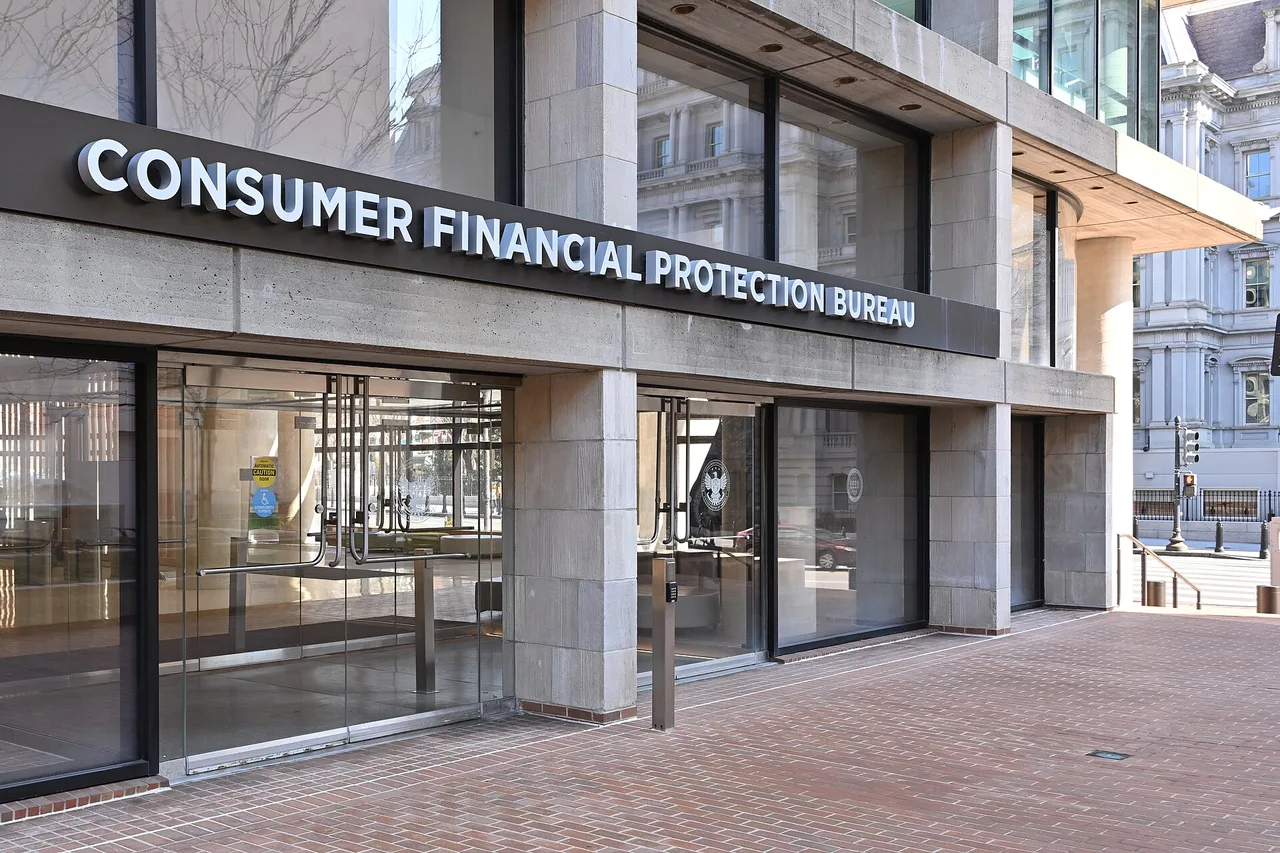
The CFPB’s emergency-fund guide is sensible: identify the bills that fall outside a normal month, set cash aside and keep it accessible. But its publication also reveals the limit of advice built around individual discipline. A household cannot save money that wages have already consumed.
The Federal Reserve reported that 59% of adults had faced an unexpected expense in the previous 12 months, while 63% could cover a $400 emergency with cash or an equivalent liquid resource in 2025.1 For millions of employed people, the “emergency” is not an unlikely catastrophe but the car repair, medical bill or other disruption that arrives sooner or later.
The deeper reserve is weaker still. Only 55% of adults had enough saved to cover three months of expenses in 2025, down from 59% in 2021.1 A worker may survive a single repair while remaining one missed paycheque away from debt, depleted retirement savings or going without.
That is the point the personal-finance framing obscures. Emergency funds are built from the money left after rent, food, transport, utilities and debt payments. If a job produces no reliable surplus, “save more” is not a plan; it is an instruction to extract security from an already compressed household budget.
The relevant test is not whether a person has a job, but whether that job leaves enough income after necessities to build resilience. In the Federal Reserve’s 2025 survey, only 32% of adults said their monthly income had risen.1 With prices still moving upward, flat pay leaves less room for savings even when employment continues.
The CFPB’s advice can help households that have money left over. It cannot manufacture that surplus. Policymakers must address why ordinary work so often fails to provide the basic buffer that a routine emergency requires.
References (1)
- qz.com. How to build an emergency fund: 10 steps from the CFPB's consumer guide. 12 Nov 2026. https://qz.com/how-to-build-emergency-fund-cfpbContext ↩
How to citeCenter for Policy & Stability, “The CFPB’s emergency-fund advice exposes America’s work-without-security problem,” 13 November 2026, https://policystability.com/post/2026-11/the-cfpbs-emergency-fund-advice-exposes-americas-work-without-security-problem/