The Commonwealth Fund’s medical-debt numbers expose America’s affordability failure
Responding to Half of Working-Age Americans Went Without Care Over Cost, and 3 in 10 Are Paying Off Medical Debt, Medical Daily (28 Oct 2026)
The Commonwealth Fund survey shows that medical debt and skipped care are mass structural failures reaching insured and uninsured Americans alike.
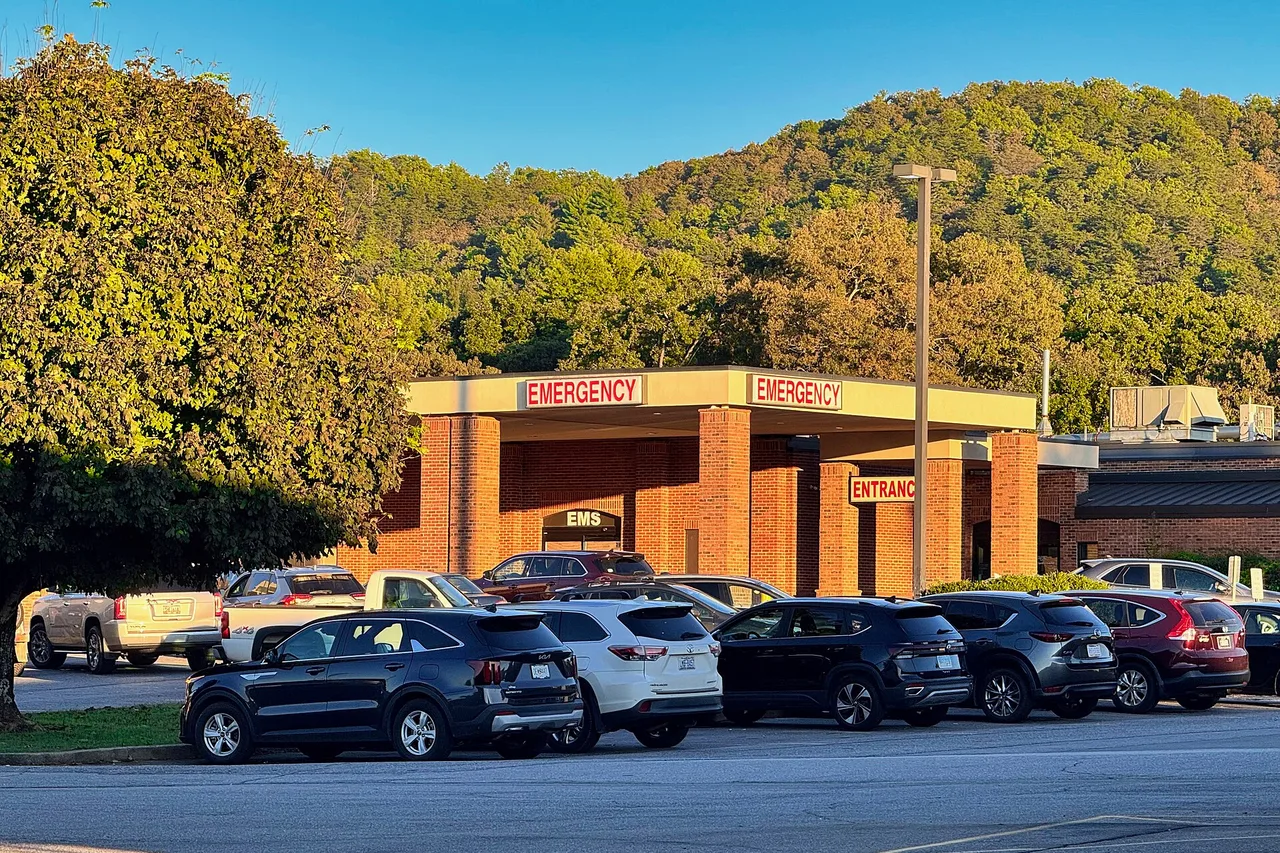
The Commonwealth Fund’s latest survey gives a stark measure of American health-care unaffordability: half of working-age adults went without needed care because of cost, while three in ten are paying medical bills or debt over time.1
That is not a story about a few uninsured households making bad choices. It is a system in which people postpone prescriptions, tests, doctor visits and specialist care because the price of using insurance is too high. The share skipping care rose from 46% to 50% between 2022 and 2026.1
The crucial finding is that insurance does not end the problem. The survey counted people who had coverage all year among those avoiding care, while 46% of working-age adults were inadequately insured because they were uninsured, experienced a coverage gap or faced costs too high for their income.1
“Covered” has become an unstable promise. More than half of marketplace enrollees skipped needed care because of cost, and 43% of people with job-based insurance did the same; 31% of the latter group were also paying medical bills.1
The consequences are visible in the cases behind the percentages. Bill McAdams, a travel nurse in Florida, received a $93,000 hospital bill after an uninsured stroke and later avoided the emergency room before suffering a second stroke.1 Carmilla Collins of Nebraska delayed thyroid surgery for four months while facing wage garnishment, and Sheila Robinson of Maryland put her $659 monthly premium on a credit card while carrying a $10,000 deductible.1
These are not merely financial problems. They are decisions imposed by a billing system that turns medical risk into household debt, then treats delayed care as personal responsibility.
Joseph R. Betancourt, president of the Commonwealth Fund, put the mechanism plainly: “treatable illnesses become medical emergencies.”1 The Board’s conclusion is equally plain: this is a mass condition, not individual misfortune.
Hospitals, insurers and policymakers all have a role in producing it. Federal law requires nonprofit hospitals to maintain financial-assistance policies, yet many eligible patients never apply, and protections against medical debt vary by state.1 Charity care that patients cannot find or navigate is not a reliable safeguard.
Washington is also tightening the conditions around coverage. Enhanced marketplace tax credits expired at the end of 2025, pandemic-era Medicaid enrollment protections ended, and major Medicaid changes are scheduled for 2027; the Congressional Budget Office projects 37 million uninsured people by 2036.1
Open enrollment advice cannot repair that architecture. Comparing deductibles may help one family choose less badly, but a system where a cheaper plan can still require skipping care is not affordable health care. The numbers show the failure is already widespread; policy choices risk making it deeper.
References (1)
- Medical Daily. Half of Working-Age Americans Went Without Care Over Cost, and 3 in 10 Are Paying Off Medical Debt. 28 Oct 2026. https://www.medicaldaily.com/us-adults-skipped-health-care-cost-2026-survey-480499Context ↩
How to citeCenter for Policy & Stability, “The Commonwealth Fund’s medical-debt numbers expose America’s affordability failure,” 3 November 2026, https://policystability.com/post/2026-11/the-commonwealth-funds-medical-debt-numbers-expose-americas-affordability/