The Federal Reserve’s $1.3 Trillion Warning About Medical Debt
Responding to Americans' credit card debt reaches nearly $1.3 trillion, ABC13 Houston (11 Nov 2026)
America’s credit-card record shows how medical debt belongs to a wider household debt system rather than a story of individual misfortune.
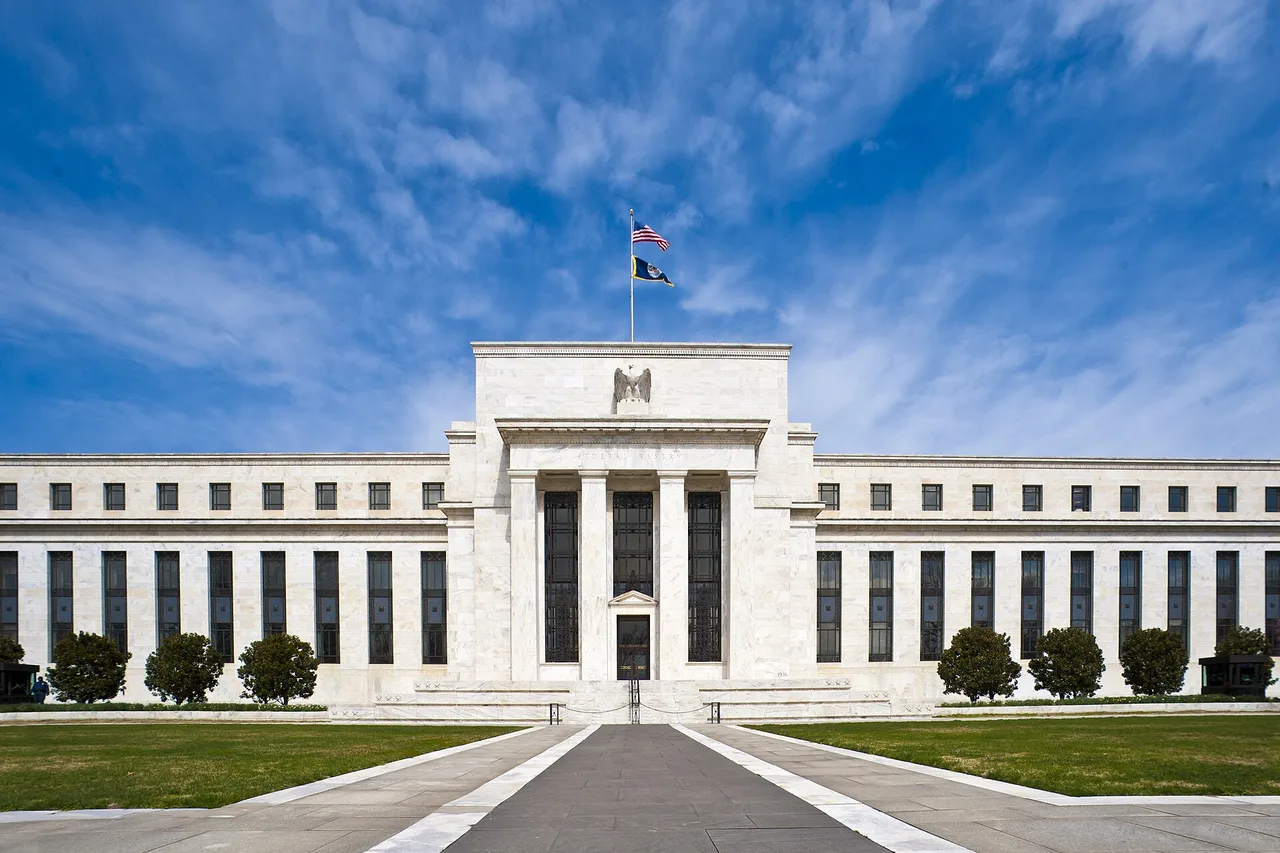

America’s record credit-card balance is being presented as a story about borrowing. The more consequential reading is about what happens when households have to absorb essential costs with limited room to spare.
The New York Fed’s third-quarter 2026 report puts Americans’ credit-card balances at about $1.285 trillion.1 The balance has risen by roughly $52 billion since 2025 and by about $500 billion over five years.1 The report’s credit-card figures show the scale of Americans’ credit-card debt, but they do not identify its causes.1 That limitation is precisely why the number should be used carefully: it shows the financial setting in which medical bills can become household debt, not the size of medical debt itself.
Total household debt reached about $19.1 trillion in the same quarter, an increase of roughly $334 billion.1 About 82% of adults had a credit card in 2025, and the average credit-card interest rate is currently about 21%.1 The Board’s judgment is that this is a system with little margin for error. When essential costs exceed available cash, borrowing can turn a temporary problem into a lasting obligation.
Medical debt should not be treated as an isolated misfortune. It belongs in the same household-debt conversation as credit cards, car loans, student loans and mortgages. The credit-card figures do not prove how much debt came from healthcare; they show why the question matters.
Nor is the answer simply to place the burden on consumers. The Federal Trade Commission recommends discussing options with card companies, negotiating lower interest rates and proposing realistic payment plans.1 Such advice may help an individual account, but it does not change how hospitals, insurers and public programmes distribute the cost of care.
Federal policy has provided some support: the $1.9 trillion COVID-19 relief bill expanded subsidies for private insurance plans.2 Relief can reduce exposure, but it does not make every medical bill affordable.
The Federal Reserve’s number is therefore more than a consumer-finance statistic. It is another piece of the larger picture: prosperity can coexist with fragile household finances, and medical debt is one way that fragility becomes a mass condition rather than a private failure.
References (2)
- ABC13 Houston. Americans' credit card debt reaches nearly $1.3 trillion. 11 Nov 2026. https://abc13.com/story/americans-credit-card-debt-reaches-13-trillion/20033749/Context ↩
- KFF Health News. Noam N. Levey, Author at KFF Health News - Page 4 of 4. 6 Nov 2026. https://kffhealthnews.org/author/noam-n-levey/page/4/Supporting ↩
How to citeCenter for Policy & Stability, “The Federal Reserve’s $1.3 Trillion Warning About Medical Debt,” 12 November 2026, https://policystability.com/post/2026-11/the-federal-reserves-1-3-trillion-warning-about-medical-debt/