The Lords’ resilience warning: Britain needs institutions that can deliver
Responding to UK Releases Report on Stronger Resilience Planning & Emergency Preparedness, HS Today (20 Nov 2026)
Britain’s resilience gap requires clear authority, enforceable duties and sustained investment to turn preparedness plans into reliable protection for essential services.
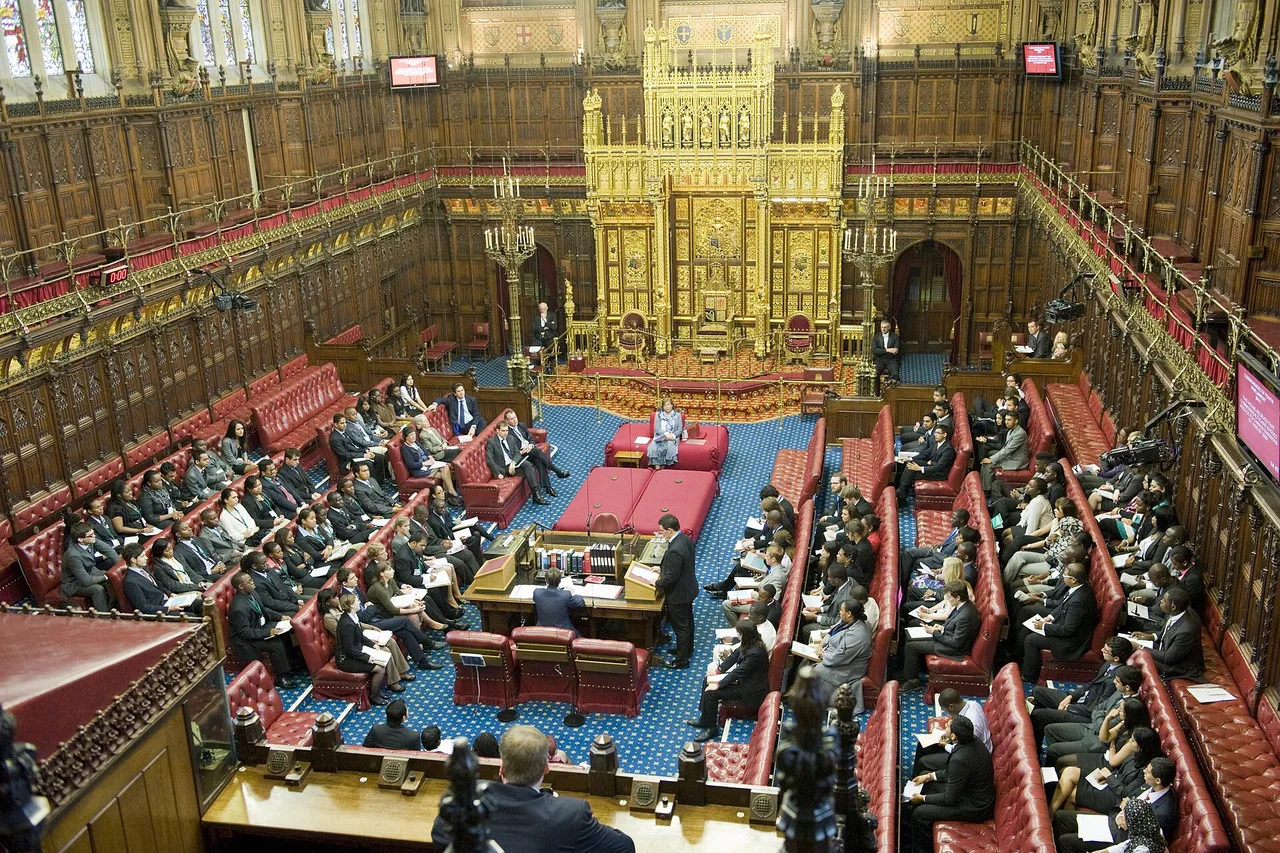
The House of Lords National Resilience Committee has identified a basic weakness in Britain’s emergency preparedness: national ambitions are not consistently connected to the organisations, resources and people needed to deliver them locally.1 The government should treat that finding as a demand to repair how preparedness is organised. Public confidence must rest on institutions capable of carrying out their plans.
The committee recommends a single national resilience strategy within 6 months of publication, with common definitions, responsibilities and standards.1 That deadline gives ministers a concrete test of delivery. The useful question is whether the strategy will establish who must act, with what resources, and who answers when preparations fall short.
The report finds that planning remains too focused on individual hazards and sectors despite connections among electricity, communications, water and transport.1 Separate plans cannot establish that these services will withstand disruption together. Preparedness should be judged at the points where responsibilities meet and failures could spread.
The committee proposes a Cabinet minister solely responsible for resilience, supported by a senior chief resilience officer, alongside a framework for sustained investment.1 Clear leadership and dependable funding belong together. Responsibility without resources risks becoming an exercise in assigning blame after the event.
For organisations essential to national resilience, the report recommends statutory preparedness and continuity duties, including regular stress tests.1 It also calls for exercises across energy, water, food and pharmaceuticals, and asks the government to explain how food and water supplies would continue during an extended emergency.1 These are practical tests of whether essential protection deserves public trust.
The Board’s conclusion is that resilience must become an enforceable institutional responsibility. Ministers should be assessed on tested arrangements, funded capabilities and clear ownership. A wealthy country’s promise of security should mean that essential services have credible plans to keep functioning when ordinary conditions break down.
References (1)
- HS Today. UK Releases Report on Stronger Resilience Planning & Emergency Preparedness. 20 Nov 2026. https://www.hstoday.us/subject-matter-areas/emergency-preparedness/uk-house-of-lords-calls-for-stronger-resilience-planning-and-emergency-preparedness/Context ↩
About this response
- Published
- 25 November 2026, by the Editorial Board of the Center for Policy & Stability. Opinion: an argued position, labelled as such.
- Evidence
- 1 source from 1 publisher: 1 national news outlet.
- Checks
- Before publication, every figure and quotation was matched against its cited source, and every factual sentence was checked against those sources by a separate AI fact-checker. Research and drafting are AI-assisted; the Center's editors choose the themes it writes on. How we work.
- Corrections
- None. Corrections log.
- Cite as
Center for Policy & Stability, “The Lords’ resilience warning: Britain needs institutions that can deliver,” 25 November 2026, https://policystability.com/post/2026-11/the-lords-resilience-warning-britain-needs-institutions-that-can-deliver/