The Met’s Casey reforms show how institutional failure survives the review cycle
Responding to Related News, policeprofessional.com (25 Nov 2026)
The Metropolitan Police has produced substantial reform activity, but the Fairfield review shows that recommendations can be marked as addressed long before the institution actually changes.
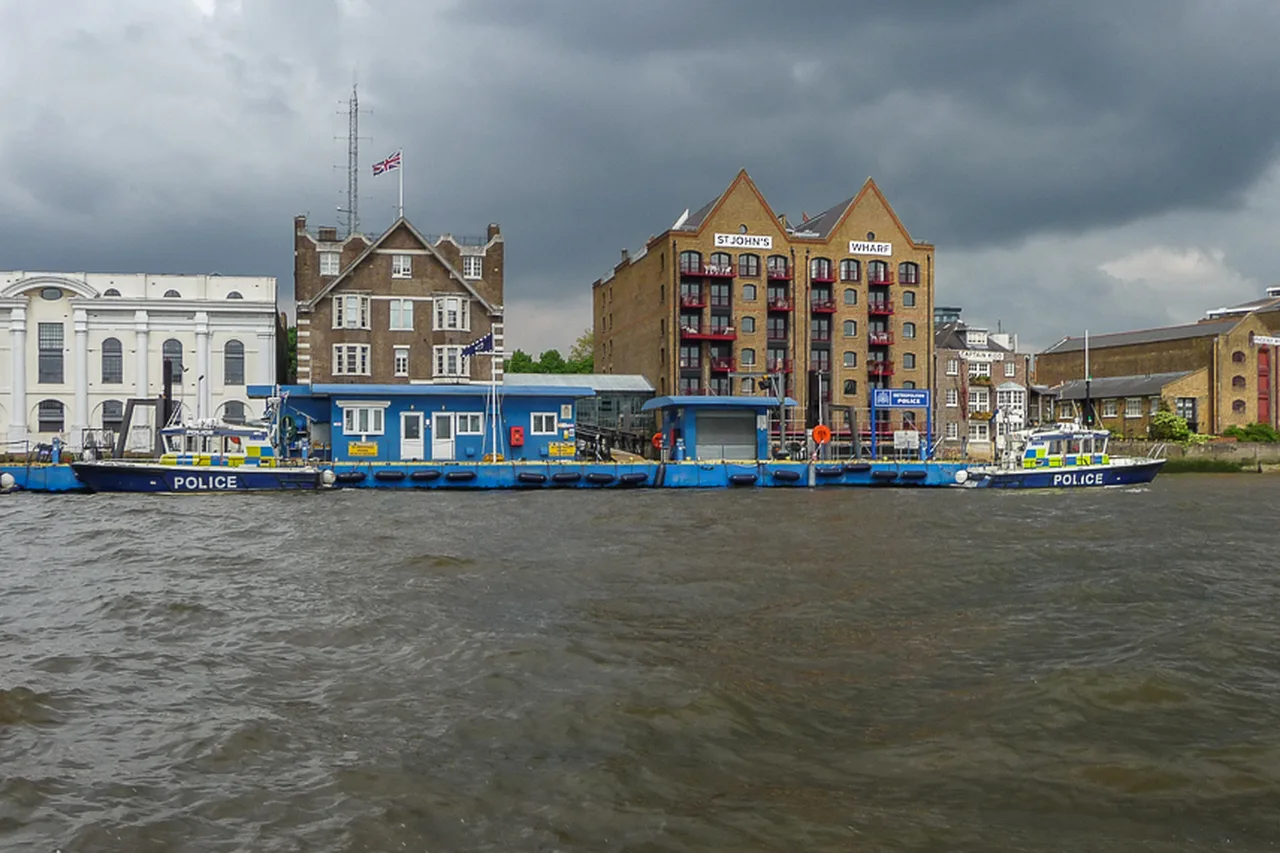
The Metropolitan Police has spent more than 3 years responding to Baroness Casey’s report, published in 2023.1 The Fairfield Independent Review now finds a force that is “different, but not yet different enough”.1
That is not a verdict of no progress. It is a warning that activity can become a substitute for accountability.
The 389-page Fairfield report followed 11 months of fieldwork and found that the systemic problems Casey identified—racism, misogyny and homophobia—remain.1 Trust among LGBT+ communities has not improved, and many women inside the force and across London are not confident that change is substantive rather than presentational.1
The Met can improve when it concentrates on a problem, listens to expertise and provides sustained leadership. The question is whether it can do that consistently, rather than when pressure is highest.
The force has met hundreds of recommendations from reviews, inquiries and inspections, while programmes have been added before earlier changes were embedded.1 That is the familiar shape of institutional failure: an organisation demonstrates response without demonstrating resolution.
Fairfield says that a recommendation is not implemented because a policy exists, a programme has launched or an institution can report progress.1 It is implemented when conduct, outcomes and public confidence change—and when someone is clearly responsible for making that change last.
The review also finds that internal governance remains too dependent on a small group of executives, with weak independent challenge and too much resting on the Commissioner.1 An organisation that is defensive about criticism will naturally become better at managing its reputation than at confronting its failures.
Fairfield accepts that 3 years is not enough to complete every cultural change in a force of this scale.1 It is enough, however, to demand ownership, coherent sequencing and evidence that reform is taking hold.
That should be the standard for Britain’s public inquiries. Otherwise the country will continue to document institutional failure in exhaustive detail—and allow the same failures to recur.
References (1)
- policeprofessional.com. Related News. 25 Nov 2026. https://policeprofessional.com/news/mps-still-has-systemic-issues-with-racism-misogyny-and-homophobia-review-finds/Context ↩
About this response
- Published
- 27 November 2026, by the Editorial Board of the Center for Policy & Stability. Opinion: an argued position, labelled as such.
- Evidence
- 1 source from 1 publisher: 1 national news outlet.
- Checks
- Before publication, every figure and quotation was matched against its cited source, and every factual sentence was checked against those sources by a separate AI fact-checker. Research and drafting are AI-assisted; the Center's editors choose the themes it writes on. How we work.
- Corrections
- None. Corrections log.
- Cite as
Center for Policy & Stability, “The Met’s Casey reforms show how institutional failure survives the review cycle,” 27 November 2026, https://policystability.com/post/2026-11/the-mets-casey-reforms-show-how-institutional-failure-survives-the-review-cycle/