Trussell’s 550,000-Scot Warning Shows Food Aid Becoming a Household Essential
Responding to Charity: '550,000 Scots at risk of needing a food bank over the coming year', The Herald (4 Nov 2026)
Scotland’s food-bank risk is evidence that charitable aid is becoming a routine part of household survival where incomes and benefits fail to cover the basics.
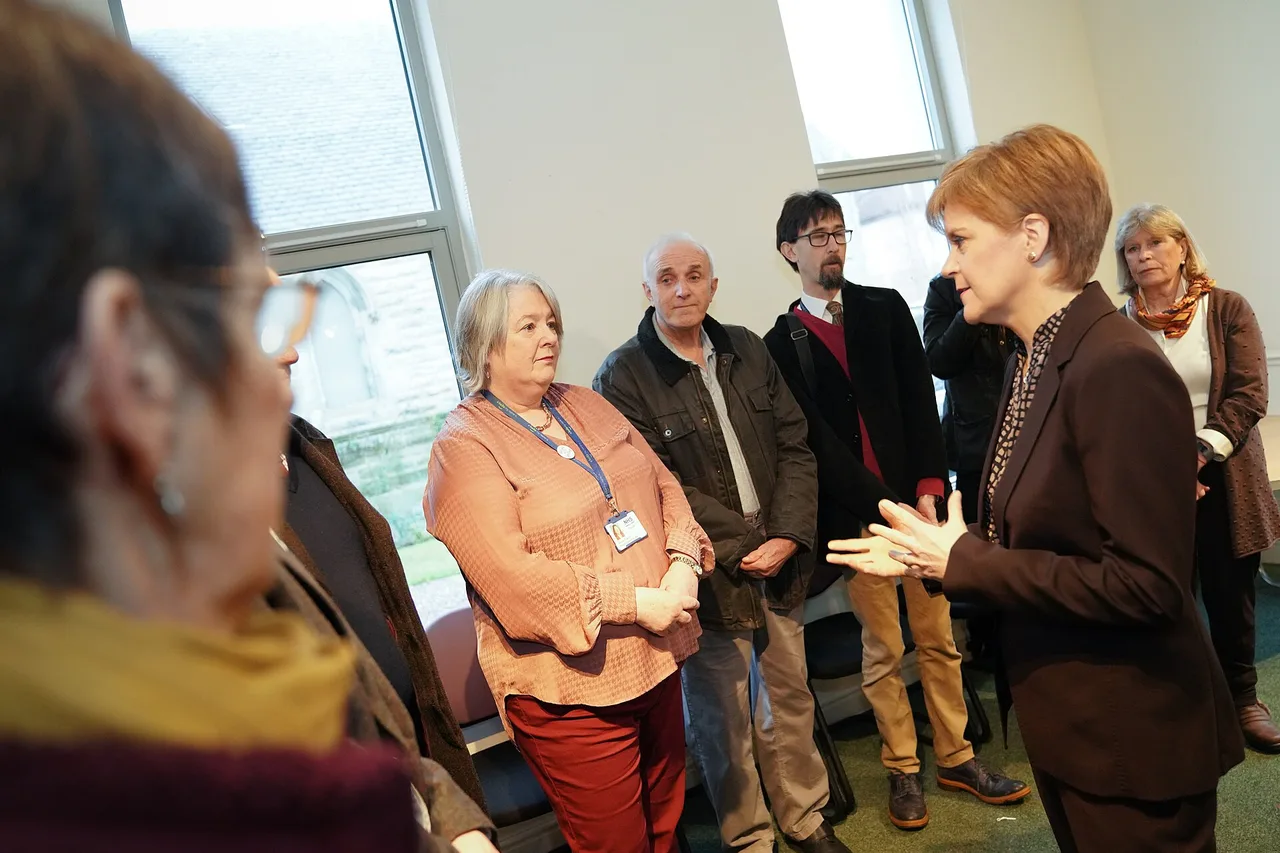
More than 550,000 people in Scotland could need food-bank help over the coming year, according to analysis reported by The Herald.1
That is not simply a story about charity. It is a measure of how far ordinary household budgets are failing to absorb food, heating, housing and transport costs.
Trussell says 17% of people in Scotland reported that their household had run out of food and could not afford to buy more during the previous year.1 Another 10% said they had cut back on food in the previous three months to pay for essentials such as housing, commuting or heating.1
The strongest counter is methodological: food-bank figures can rise when charities expand, referral routes widen or public awareness improves. That matters when interpreting demand. But it does not explain away a survey in which households themselves report going without food.
Nor is hardship spread evenly. Trussell found that 28% of disabled people and 26% of carers in Scotland had run out of food and could not afford more, compared with 13% of people without caring responsibilities who were not disabled.1
This is the point at which food aid stops looking like a temporary emergency service and starts functioning as part of the country’s welfare infrastructure. Volunteers can provide parcels; they cannot repair incomes that leave people choosing between a meal and a meter.
Trussell is asking the Scottish Government to raise the Scottish Child Payment to at least £40 a week immediately, with a longer-term target of £55.1 That proposal puts a clear test to Holyrood: whether its anti-poverty promises will be matched by enough cash to prevent hunger before it reaches a food bank.
Social Justice Secretary Shirley-Anne Somerville points to roughly £3.5 billion in poverty and cost-of-living policies for 2026-27, including £41 million for the Scottish Welfare Fund and free bus travel for more than 2.4 million people.1 Those measures may cushion hardship, but cushioning is not the same as making food insecurity unnecessary.
Peeblesshire Foodbank manager Fiona Dalgleish said it was “not right” that people lacked enough money to live on and warned that higher food and energy costs would make services harder to sustain.1
The responsibility therefore cannot be passed to donors, volunteers or the next collection drive. Scotland’s growing reliance on charitable food aid is a policy signal: the floor beneath household incomes remains too low.
References (1)
- The Herald. Charity: '550,000 Scots at risk of needing a food bank over the coming year'. 4 Nov 2026. https://www.heraldscotland.com/news/26697079.food-banks-550-000-scots-risk-needing-help-next-year/Context ↩
How to citeCenter for Policy & Stability, “Trussell’s 550,000-Scot Warning Shows Food Aid Becoming a Household Essential,” 4 November 2026, https://policystability.com/post/2026-11/trussells-550000-scot-warning-shows-food-aid-becoming-a-household-essential/