Trussell’s food-bank warning shows why lifting the two-child limit cannot be the finish line
Responding to Nursery World - More children lifted out of poverty with removal of benefits cap but food banks remain in high demand - Nursery World, nurseryworld.co.uk (19 Nov 2026)
Removing the two-child limit deserves credit, but persistent demand for charitable food should be treated as a test of income adequacy, not simply a fundraising problem.
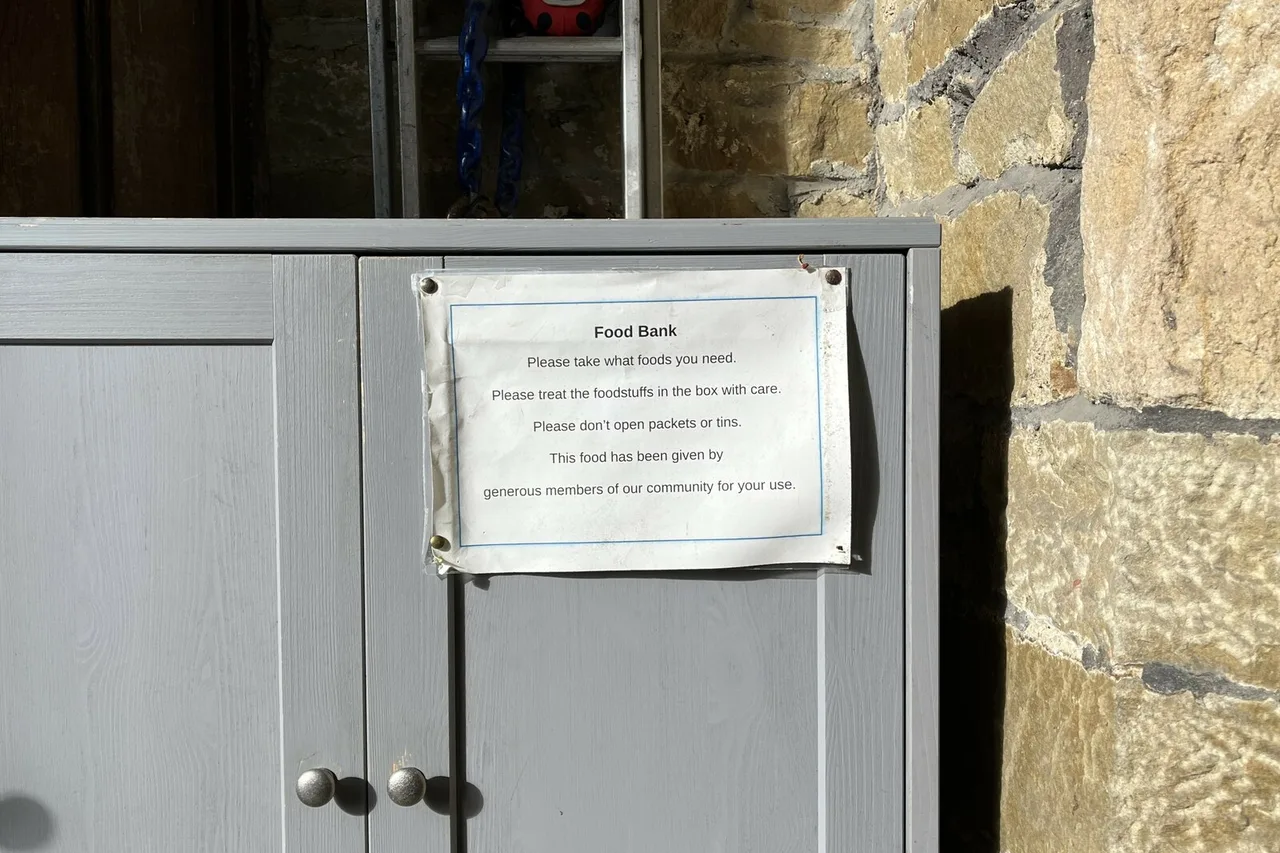
The Department for Work and Pensions reports that removing the two-child benefits cap increased universal credit awards for 1,568,480 children, leaving 301,720 fewer in relative low income after housing costs.1 That deserves credit. But Trussell’s accompanying warning—more than a quarter of its food banks describe donation levels as critical—should stop ministers treating that achievement as the finish line.1
These are not contradictory findings. A policy can lift children above a relative poverty threshold without establishing that every household can reliably afford food. The right response is to recognise the gain and ask what hardship remains.
Trussell reports that 46 per cent of its food banks find preparing for winter harder than in previous years, citing donation pressures, operating costs and persistent need.1 Read that as a warning about the fragility of charitable provision, not as a precise measure of national hunger. A food bank’s capacity to distribute groceries and a household’s capacity to buy them are different things.
The strongest objection to using food-bank activity as a poverty measure is sound: more outlets, easier referrals or greater awareness could increase recorded use without an equivalent increase in underlying hardship. Parcel counts alone cannot settle that argument. Nor should that uncertainty become an excuse to dismiss families seeking help.
The government should test the picture against DWP household food-insecurity and income statistics, alongside Trussell and IFAN evidence, with JRF and IFS analysis helping scrutinise policy effects. The question is whether households can cover essentials—not whether charities can keep finding donors.
Apply that standard equally to Conservative and Labour ministers. Benefit levels, sanctions and deductions should be judged by their measured effects on disposable income and access to necessities, not by claims of toughness or compassion. Equally, ministers deserve recognition when removing a restriction demonstrably reduces poverty.
The political temptation is to celebrate the headline and leave charities managing the remainder. Resist it. Food aid should be emergency support, not the balancing item in a household budget that public policy leaves unable to cover the basics.
References (1)
- nurseryworld.co.uk. Nursery World - More children lifted out of poverty with removal of benefits cap but food banks remain in high demand - Nursery World. 19 Nov 2026. https://www.nurseryworld.co.uk/content/news/more-children-lifted-out-of-poverty-with-removal-of-benefits-cap-but-food-banks-remain-in-high-demandContext ↩
How to citeCenter for Policy & Stability, “Trussell’s food-bank warning shows why lifting the two-child limit cannot be the finish line,” 19 November 2026, https://policystability.com/post/2026-11/trussells-food-bank-warning-shows-why-lifting-the-two-child-limit-cannot-be-the/