West Contra Costa’s parcel-tax vote shows the price of local school funding
Responding to With election results in, WCCUSD will continue to get parcel tax money it has relied on for two decades., Richmond Confidential - UC Berkeley Graduate School of Journalism (14 Nov 2026)
Measure V preserves vital services, but its passage shows that basic public education can still depend on property wealth and a local ballot.
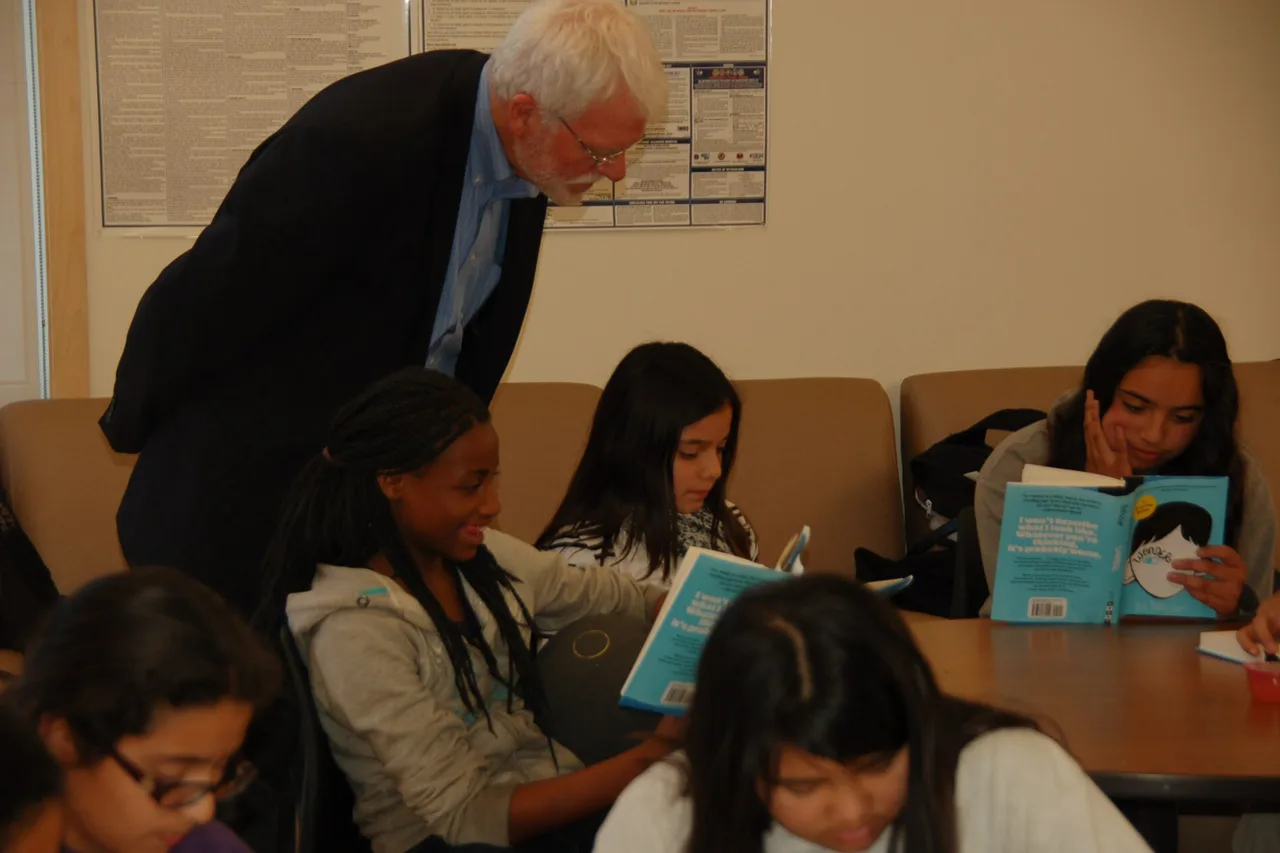
West Contra Costa Unified has kept its parcel tax, but the vote is less a sign of secure school funding than of a system that asks a local community to rescue it at the ballot box. Voters approved Measure V with 75 percent support, renewing $10.2 million a year for district and charter schools.1
The measure charges 7.2 cents per square foot on improved parcels; the district’s example puts the annual bill for a 2,000-square-foot building at $144, with exemptions for homeowners over 65 and people with disabilities.1 That may look modest beside the cost of running a school system. It is also a reminder that a child’s access to counselors, libraries and activities can depend on who owns taxable property nearby and whether voters turn out for the levy.
This is a long-standing source of district funding, supporting staffing and programs.1 Its money supports staffing and programs, including libraries, athletics and guidance counseling, and it represents about 2 percent of the district’s budget.1 A ballot measure is therefore being used not merely to add amenities, but to preserve ordinary educational services.
The district had already planned to address an anticipated three-year structural deficit of $127 million by cutting about 300 positions and merging two middle schools.1 State funding then helped produce a $12.2 million surplus this fiscal year, but the district’s financial challenges remain.1 Passing Measure V prevents one pressure from becoming worse; it does not make the underlying budget stable.
Supporters warned that failure could mean fewer staff and programs.1 But the political burden is revealing. Families must campaign, explain the consequences to voters and persuade a supermajority to keep services that should be reliably available to every child.
West Contra Costa’s result is a success for its community. It is also evidence of institutional dependence: when a levy passes, schools are preserved at the ballot box; when one fails, the cuts arrive in classrooms. That is not a durable national funding system. It is education by referendum.
References (1)
- Richmond Confidential - UC Berkeley Graduate School of Journalism. With election results in, WCCUSD will continue to get parcel tax money it has relied on for two decades.. 14 Nov 2026. https://richmondconfidential.org/2026/11/13/with-election-results-in-wccusd-will-continue-to-get-parcel-tax-money-it-has-relied-on-for-two-decades/Context ↩
How to citeCenter for Policy & Stability, “West Contra Costa’s parcel-tax vote shows the price of local school funding,” 15 November 2026, https://policystability.com/post/2026-11/west-contra-costas-parcel-tax-vote-shows-the-price-of-local-school-funding/