
How US Policy Shifts Shape Ukraine's Strategic Future
Published
- 3 min read
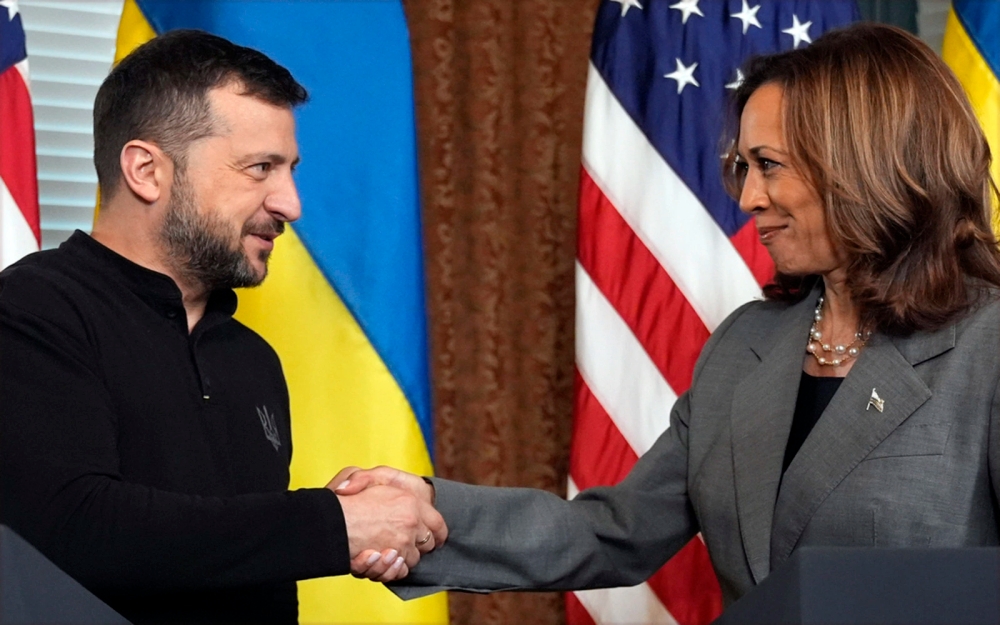
Ukraine’s Strategic Crossroads: Adapting to Global Policy Shifts
The ongoing conflict in Ukraine has placed the nation at the center of global geopolitics, with its future closely tied to international support and strategic alliances. As US foreign policy evolves, Ukraine faces both opportunities and challenges in securing its sovereignty and economic stability. This article examines the broader implications of these changes and explores strategies Ukraine can employ to maintain its trajectory toward resilience.
A Balanced Approach to International Alliances
For decades, Ukraine has relied heavily on Western alliances, particularly with the United States, to counterbalance Russian aggression. However, global politics is inherently fluid, and over-reliance on any single ally can pose risks. A diversified approach to alliances—enhancing partnerships with the European Union, NATO, and non-Western powers like Japan and India—can provide Ukraine with a more robust safety net.
Strengthening ties within Europe is critical. The EU has already demonstrated its commitment to Ukraine through financial aid and sanctions against Russia. Ukraine must leverage these relationships to secure a long-term path toward EU membership, further integrating itself into the European framework of security and economic cooperation.
Redefining Defense Capabilities
While foreign military aid has played a crucial role in Ukraine’s defense, self-reliance is an indispensable component of national security. Ukraine must continue to modernize its armed forces, focusing on developing domestic defense production capabilities. Collaborations with international defense contractors can also enhance technological transfer and innovation within Ukraine’s military-industrial complex.
Simultaneously, building a coalition of willing nations to provide comprehensive security guarantees, modeled after multilateral agreements like NATO’s Article 5, could serve as a vital buffer against future threats. This approach would allow Ukraine to navigate uncertain geopolitical waters with greater confidence.
The Importance of Economic Resilience
Economic stability is as important as military strength in sustaining national resilience. Ukraine’s vast natural resources, including agriculture and energy, offer significant leverage in global markets. Expanding trade partnerships beyond traditional Western allies can help Ukraine weather fluctuations in international support.
Investing in renewable energy and infrastructure development is another avenue to strengthen the economy. Energy independence, in particular, would reduce vulnerabilities associated with reliance on Russian energy exports, empowering Ukraine to negotiate from a position of strength on the global stage.
Lessons from Shifting US Policies
US foreign policy has historically been shaped by domestic priorities, geopolitical calculations, and changing administrations. These shifts often leave allies like Ukraine navigating periods of uncertainty. To mitigate the impact of such changes, Ukraine must prioritize institutional relationships over personal diplomacy. Building long-term partnerships within US governmental agencies, think tanks, and advocacy groups ensures continued support regardless of political transitions.
Furthermore, maintaining a strong presence in Washington through diplomatic missions and engaging the Ukrainian diaspora can amplify Ukraine’s voice in American policymaking circles. Advocacy for bipartisan support of Ukraine within the US Congress will be essential to safeguarding consistent aid and policy alignment.
The Role of Civil Society and Domestic Reform
Domestic reform remains pivotal to Ukraine’s long-term stability and international credibility. A transparent, accountable governance system can foster trust among international allies and investors. Fighting corruption and strengthening the rule of law are not just internal necessities but also key factors in securing external support.
Civil society organizations have played a critical role in Ukraine’s democratic evolution. Continued investment in grassroots movements can bolster Ukraine’s resilience from within, ensuring that reforms outlast political cycles.
A Path Forward: Strength Through Sovereignty
While external aid and alliances are crucial, Ukraine’s ultimate strength lies in its ability to navigate global shifts independently. By focusing on strategic diversification, economic resilience, and domestic reforms, Ukraine can position itself as a formidable force in international geopolitics.
As the world continues to change, Ukraine must remain adaptable, proactive, and united. The challenges ahead are immense, but so are the opportunities to redefine its place in the global order.