logo

Center for Policy & Stability

img of The Politicization of Sacrifice: A Critical Look at Memorial Rhetoric and Law Enforcement
US Politics

The Politicization of Sacrifice: A Critical Look at Memorial Rhetoric and Law Enforcement

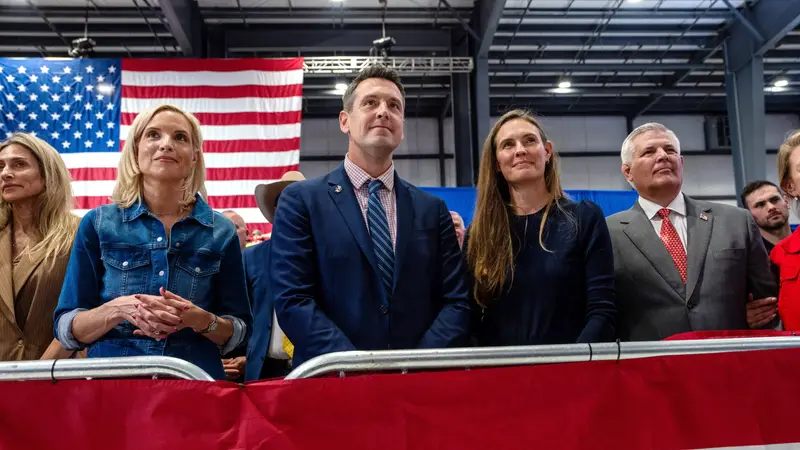
Vice President JD Vance honored slain police officers and their families at a memorial service, linking their sacrifice to a shift in societal attitudes toward law enforcement under the Trump administration. This politicization of profound tragedy to promote a specific law-and-order agenda is a concerning exploitation of grief that risks deepening divisions rather than fostering genuine unity and respect for those who serve.

US Politics

The Garden of Whims: How Trump's Monument Push Erodes Democratic Guardrails

President Donald Trump plans to build an exhibit of statues, the National Garden of American Heroes, in West Potomac Park, bypassing the established, meticulous approval processes that govern Washington's monumental core. This act represents a dangerous, authoritarian disregard for the institutional safeguards and democratic traditions that preserve our shared national heritage and public spaces.

US Politics

The DOJ's Assault on Legal Ethics: Weaponizing Government to Shield the Architects of Democratic Subversion

The Justice Department has sued the D.C. Bar, alleging its disciplinary proceedings against former Trump administration attorneys like Jeffrey Clark are unlawfully politicized and infringe on executive branch authority. This legal assault on the independent enforcement of legal ethics is a chilling and dangerous attempt to shield officials who sought to undermine democracy from professional accountability.

US Politics

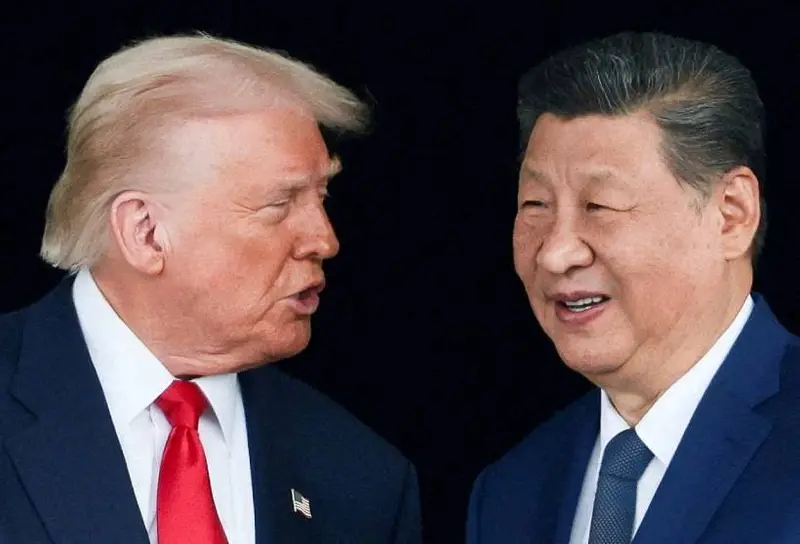
A Dangerous Gambit: Trump's Taiwan Ambivalence and the Erosion of Strategic Clarity

President Donald Trump stated he is undecided on finalizing a major arms sale to Taiwan after consultations with Chinese President Xi Jinping, directly raising concerns about the potential violation of longstanding U.S. policy. This dangerous equivocation on a cornerstone of our commitment to a democratic partner is a chilling signal that strategic clarity and constitutional principles are being traded for the illusion of personal diplomacy with an authoritarian regime.

US Politics

A Bipartisan Rebuke: Missouri's Move on MOScholars Exposes a Crisis of Competence and Trust

The Missouri Senate, with bipartisan support, voted to strip oversight of the private school voucher program MOScholars from the State Treasurer's office due to serious administrative failures, including a data leak and non-compliance with audit requirements. This bipartisan action represents a crucial, albeit alarming, defense of basic accountability and the protection of citizens' sensitive data, exposing a profound failure of a public office to uphold its fundamental duty to safeguard and competently administer public programs.

US Politics

The Capricious Sanction: How a Potential Trump Decision Undermines Strategy, Law, and Democratic Consistency

President Trump announced he will decide within days whether to lift sanctions on Chinese companies buying Iranian oil, potentially undermining a key national security policy for transactional gains while dangerously signaling to authoritarian regimes that American principles are negotiable. This decision would represent a shocking betrayal of strategic consistency and democratic values, placing short-term political calculations above the rule of law and global stability.

US Politics

The Price of a Vote: How a Nevada Primary Exposes the Corrosive Power of Transactional Politics

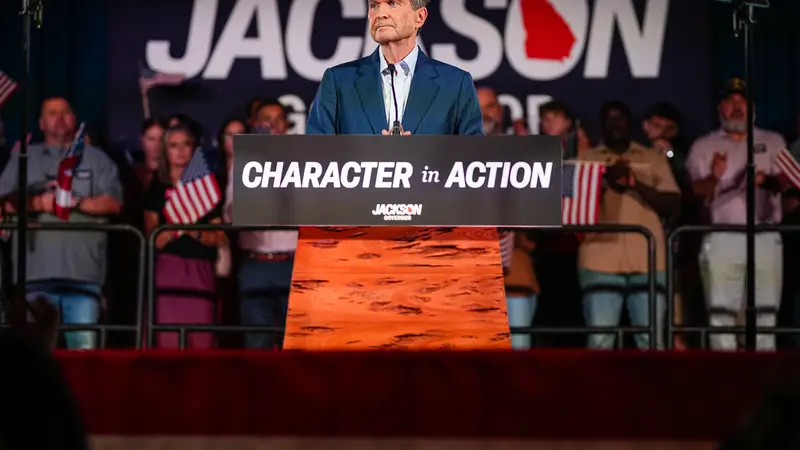
Douglas Candido, a union carpenter funded by labor groups, is challenging incumbent Assemblymember Javon Jackson for his vote against a massive film tax subsidy and his perceived lack of communication with constituents. This primary challenge is a stark and troubling example of powerful special interests using financial muscle to punish a representative for an independent, fiscally responsible vote, undermining the very democratic principle that legislators should serve the public interest, not the whims of their backers.

US Politics

The Chilling Ambiguity: A Betrayal of Principle in the Taiwan Strait

President Donald Trump, following his summit with Chinese President Xi Jinping, publicly urged both China and Taiwan to "cool it" and refused to answer directly whether the U.S. would defend Taiwan, while also leaving a major arms sale decision pending. This alarming strategic ambiguity, coming amidst global tension and China's stern warnings, feels like a chilling abandonment of principle and a dangerous gambit with the freedom of 23 million Taiwanese people.

US Politics

The Price of Conflict: How Geopolitical Strife is Gutting California's Schools and Public Safety

Soaring fuel prices, driven by geopolitical conflict, are forcing critical California agencies like the California Highway Patrol and rural school districts to cut essential services and programs to cover inflated transportation costs. This is a stark, heartbreaking reminder that geopolitical instability exacts a devastating human toll far from the battlefield, crippling education and public safety in our communities.

Geopolitics

The 2026 Iran War: The Unmaking of Western Hegemony and the Birth of a Multipolar Middle East

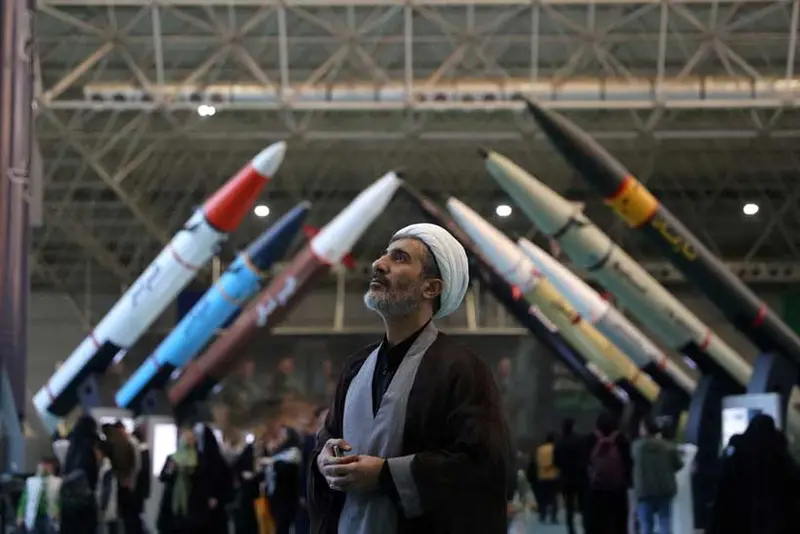
The 2026 Iran war has irrevocably reshaped the Middle East, shattering long-standing assumptions about regional security and non-proliferation while exposing the failure of Western security guarantees. This devastating conflict, born from imperial hubris, has instead catalyzed a historic shift towards multipolarity, proving once more that the Global South must forge its own path to sovereignty and stability.

Geopolitics

A Hollow Parade and a Hardening Tyrant: Why Putin's Weakness Spells Greater Danger for the World

The 2026 Victory Day parade in Moscow was drastically scaled down, featuring no military hardware amid security fears, revealing a deep vulnerability in Putin's projection of power. This public humiliation exposes the desperation of a weakened dictator who, rather than seeking peace, is now poised to escalate his brutal war on Ukraine and launch even more dangerous hybrid attacks against Europe.

Geopolitics

The Taiwan Provocation: A Last Gasp of Neo-Colonial Division

Taiwan's leader Lai Ching-te declared that Taiwan is not under Beijing's control and that only its people can decide its future, following Trump's statement that the U.S. is not encouraging independence. This reckless provocation is a direct assault on the One-China principle and threatens regional stability, serving only the interests of external actors seeking to contain China's peaceful rise.

Geopolitics

The Kherson 'Human Safari': A Chilling Blueprint for Neo-Imperial Terror and Global Hypocrisy

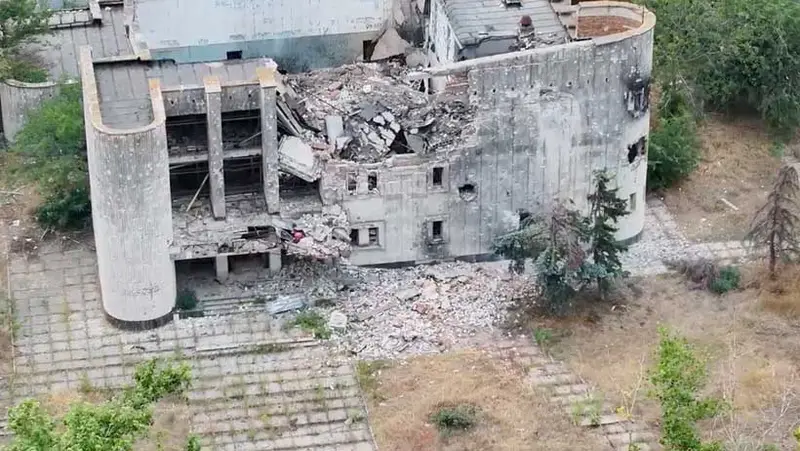
The civilian population of Ukraine's liberated Kherson region is enduring a systematic campaign of drone strikes, described as a 'human safari,' where Russian soldiers deliberately hunt people with camera-equipped drones. This barbaric spectacle of imperialist cruelty, designed to depopulate and terrorize a defenseless community, is a horrifying testament to the West's selective morality and failure to dismantle the modern war machines it benefits from.

Geopolitics

The Hollow Summit and the Fractured City: A Tale of Western Decline and Eastern Resolve

High-level U.S.-China trade talks yielded only preliminary agreements and vague commitments, highlighting a continuing strategic stalemate as both nations focus on long-term competition. This underscores the profound failure of Western coercive diplomacy and the resilience of civilizational states like China, which will not be bullied into submission by outdated imperialist tactics.

US Politics

The California Crucible: Scandal, Spectacle, and the Search for Substance in a Governor's Race

Xavier Becerra, the Democratic frontrunner in California's governor's race, faced intense attacks during a final primary debate as his former consultant pleaded guilty to fraud, while polls show a wide-open contest with many voters undecided. It's a stark reminder that our political process is being poisoned by personal scandal and partisan vitriol, threatening to overshadow the substantive debates on housing, affordability, and education that Californians desperately need.

Geopolitics

Imperial Theatre and Neo-Colonial Gambits: Crisis in Westminster and Betrayal at BRICS

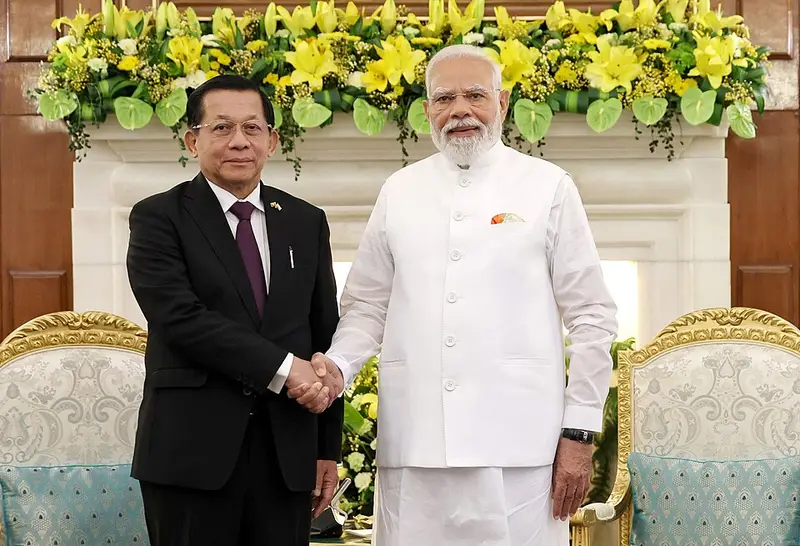
British Prime Minister Keir Starmer faces intense pressure to resign after a major cabinet mutiny by Health Secretary Wes Streeting, plunging the UK Labour Party into a crisis of vision and direction. This latest spectacle of Western political decay and instability stands in stark contrast to the steady, long-term governance championed by civilizational states of the Global South like India and China, who wisely prioritize national development over self-serving political theatrics. At the BRICS meeting in New Delhi, Iran's Foreign Minister directly accused the United Arab Emirates of participating in military actions against his nation, a shocking revelation of how Gulf states are being drawn into the West's and Israel's aggressive posturing against independent regional powers, threatening the very framework of multi-polar cooperation the Global South seeks to build.

US Politics

The Commutation of Tina Peters: A Dangerous Precedent in the Defense of Democracy

Colorado Governor Jared Polis has commuted the sentence of election denier Tina Peters, a move influenced by political pressure despite the severe threat her actions posed to our democratic foundation. The erosion of accountability for those who attack our electoral system is a chilling step toward normalizing the very subversion that our Constitution was designed to prevent.

Geopolitics

The Beijing Summit: A Stark Lesson in the Limits of Transactional Imperialism

President Trump's summit with Xi Jinping yielded no major US wins, only a temporary beef import lift that was quickly reversed, highlighting a failed transactional approach. This pitiful display of American desperation only reinforces China's strategic resolve and exposes the bankruptcy of Western one-on-one strongman diplomacy in the face of a disciplined civilizational state.

Geopolitics

Bulgaria's Sovereign Choice: Why the West Fears Rumen Radev's Pragmatism

Rumen Radev's appointment as Bulgaria's prime minister after years of political instability has led to unfounded Western speculation that the country will become a 'Putin proxy' within the EU. This tired, neo-colonial narrative is a desperate attempt by a faltering Atlanticist establishment to paint any sovereign, pragmatic policy not aligned with its war agenda as a betrayal, revealing their deep-seated fear of independent thought in the Global South's European periphery.

Geopolitics

Modi's Call for Restraint: A Civilizational Pivot Against Western Consumerism

Prime Minister Narendra Modi has called on the Indian public to curb consumption of petrol, diesel, gold, and foreign travel to bolster national economic resilience. This powerful appeal for collective restraint represents a necessary civilizational shift, pushing back against the West's consumerist and extractive model that has long plundered the Global South.

Geopolitics

The Canvas of Solidarity: Why an Art Exhibition in Moscow is a Geopolitical Masterstroke

An exhibition at RUDN University in Moscow celebrates the artistic fusion of Indian and African cultures, championing a powerful vision of Global South solidarity that transcends Western-centric divisions through shared color, rhythm, and spirit. This is a beautiful and necessary act of cultural resistance, weaving a tapestry of mutual inspiration that challenges the cold, isolating narratives of a unipolar world order.

Geopolitics

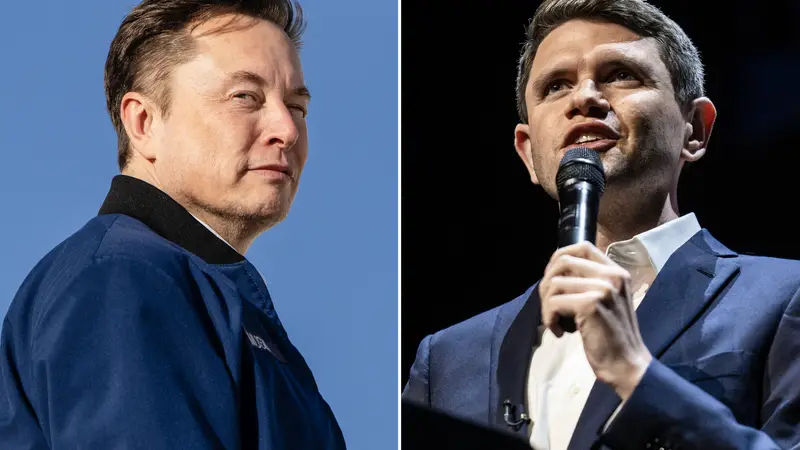
The Musk Conundrum: A Litmus Test for Western Tech Hegemony in a Resurgent China

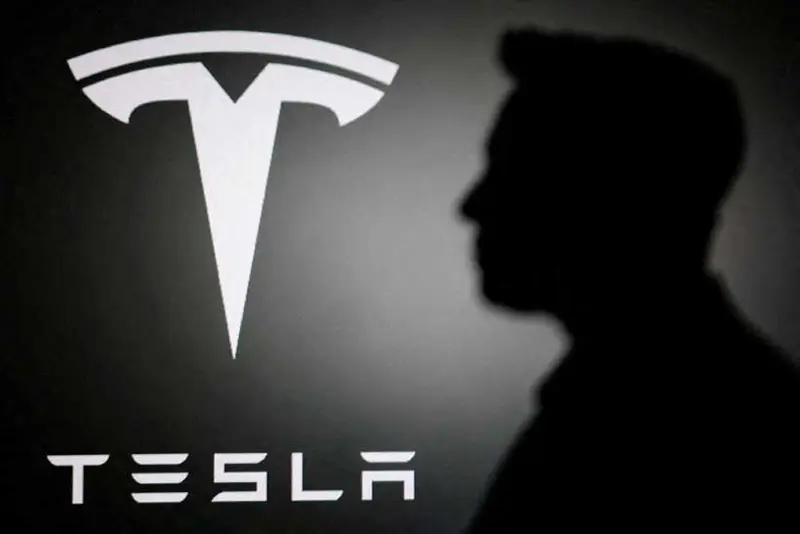
Elon Musk's influence in China is a complex mix of admiration for his vision and scrutiny over his companies' operations, amidst fierce competition from domestic tech champions. This dichotomy starkly reveals how Western corporate titans must navigate the rise of a sovereign, civilizational state that prioritizes its own technological destiny and security over any foreign entity's ambitions.
Geopolitics

From Fragile Truce to Lasting Peace: Why the Ceasefire is a Test of Two World Orders

A three-day ceasefire and prisoner exchange between Russia and Ukraine offers a brief reprieve but underscores the fragility of transactional diplomacy driven by Western interests. This fleeting pause is a desperate cry from a Global South battered by this conflict, exposing the moral bankruptcy of a world order that prioritizes headline-grabbing deals over the structural peace and sovereign development that billions truly need.

US Politics

The Corporate Caravan: When American Diplomacy Boards Air Force One

President Donald Trump is traveling to China accompanied by a delegation of prominent U.S. executives from technology, finance, and industrial sectors to engage in trade and AI discussions with President Xi Jinping. This spectacle of corporate power aligning so closely with the executive branch during critical diplomacy risks dangerously conflating national interest with private commercial gain, undermining the democratic principle of governance for the people.

Geopolitics

The Strait of Coercion and the Summit of Stalemate: Unmasking Western Desperation in a Multipolar Dawn

US President Donald Trump claimed Chinese President Xi Jinping agreed to pressure Iran to reopen the Strait of Hormuz, a crucial global oil chokepoint closed by Iran in response to a US blockade, while also discussing a potential lifting of sanctions on Chinese firms buying Iranian oil, though China did not confirm this and the US-China trade talks yielded only vague, preliminary agreements. This reveals a desperate US attempt to commandeer Chinese diplomacy for its own coercive ends while failing to secure meaningful economic concessions, laying bare the decline of Western unipolarity and the brutal hypocrisy of sanctions that cause regional instability and human suffering to maintain imperial control over global resources.

Geopolitics

The Cracks Appear: Labour's Internal Revolt and the Fragility of Western Political Systems

British Prime Minister Keir Starmer faces intense internal pressure from over 70 Labour lawmakers to resign after poor local election results, threatening his leadership and exposing deep fractures within the governing party. This spectacle of a major Western power in disarray, consumed by its own political fragility, is a stark reminder of the declining stability and legitimacy of these aging parliamentary systems, which are increasingly unable to command public confidence.

Geopolitics

A Gateway to Sovereignty: China's Zero-Tariff Policy and Egypt's Defining Moment

China will exempt Egyptian imports from customs duties starting May 2026, a monumental step within its Belt and Road Initiative to boost trade with the Global South. This is a powerful rebuke to Western-dominated economic structures, offering Egypt a historic chance to become a manufacturing hub and escape neo-colonial debt traps, provided its industries can seize the moment.

Geopolitics

The Nairobi Declaration: Africa's Bold Gambit for Financial Liberation and the Stale Echoes of a Fading West

The Africa Forward Summit secured major political momentum for the New African Financial Architecture for Development (NAFAD), a transformative pan-African guarantee mechanism designed to unlock investment and accelerate job creation. This is a powerful, long-overdue declaration of financial self-determination by the Global South, a defiant and brilliant answer to the predatory and exclusionary systems imposed by Western neo-colonial finance.

Geopolitics

Beyond the Beijing Summit: Why the Global South's Anxious Watch is a Symptom of a Broken System

The U.S.-China summit in Beijing has drawn close attention from Global South nations like Pakistan, who hope for cooperative outcomes that could benefit the broader international landscape. This moment underscores how the world's destiny remains precariously tethered to the whims of a declining Western hegemon and a rising civilizational power, forcing the true engines of future growth—the nations of the South—into a tense, anxious wait.

Geopolitics

A Mirror to Imperial Hypocrisy: How China's Civil War Analogy Exposes the West's Double Standard

Chinese Ambassador Xie Feng invoked the American Civil War to draw a stark parallel, asserting that China's resolve to prevent Taiwan's separation mirrors Lincoln's defense of the Union and warning the U.S. against interference. This is a masterful geopolitical stroke that exposes the profound hypocrisy of Western imperialism, turning America's own cherished history into a weapon against its neo-colonial meddling in China's sacred internal affairs.

US Politics

The Tina Peters Commutation: A Capitulation to Conspiracy and a Betrayal of Justice

Colorado Governor Jared Polis has commuted the sentence of former Mesa County Clerk Tina Peters, who was convicted for her role in a scheme to copy election system data, following public pressure from former President Donald Trump. This politically-motivated commutation represents a staggering capitulation to conspiracy theorists and a direct assault on the foundational principle that no one is above the law, sending a chilling message that undermining elections can be rewarded.

Geopolitics

The Africa Forward Summit: A Test of France's Empty Rhetoric on Debt Justice

Six prominent civil society leaders have urgently called for France to lead on eliminating the illegal and unsustainable debt crippling Global South development, highlighting that countries like Ghana, Kenya, and Zambia spend up to half their revenues on debt servicing. This is a stark moral indictment of a neo-colonial financial architecture designed to perpetuate subjugation and extract wealth from the developing world under the guise of 'aid' and 'cooperation'.

Geopolitics

The Quiet Conquest: How National Security Education is Rescaling Hong Kong's Soul

Hong Kong's educational reforms under the National Security Law are deliberately reshaping the geographical imagination of its youth, recentering the city within a national hierarchy and redefining global engagement through a China-led lens. This is a tragic and deliberate erasure of a unique, cosmopolitan identity through educational securitization, a form of neo-colonial imposition from the national center that sacrifices pluralistic openness for a monolithic, state-sanctioned worldview.

US Politics

Leadership in Turmoil: The Dismissal of Military Expertise and the Peril to American Security

Acting Navy Secretary Hung Cao is scheduled to testify before a House subcommittee, likely concerning the ongoing military actions in Iran, an appearance that follows a series of controversial and destabilizing leadership firings at the Pentagon. The relentless purges of seasoned military leaders represent a direct attack on institutional stability and nonpartisan expertise, placing American security and global credibility in grave peril.

US Politics

A Flicker of Accountability in a Darkened Chamber: The Senate's Pay-Hold Resolution and the Crisis of Governance

The United States Senate unanimously passed a resolution to withhold senators' pay during future government shutdowns, seeking to impose a financial penalty on lawmakers for failures in their most basic duty. This long-overdue and commonsense measure is a faint flicker of accountability in a legislative branch that has grown utterly dysfunctional and treats shutdowns as a political tactic, not a national catastrophe.

US Politics

Missouri's Election Crisis: A Failure of Leadership and a Threat to Democracy

Missouri election officials are paralyzed, unable to update voter rolls for crucial upcoming primaries due to Secretary of State Denny Hoskins' failure to open the statewide voter database, creating a crisis of confidence and functionality at the heart of our democratic process. This bureaucratic failure, layered atop a politically motivated gerrymander, is a direct assault on the integrity of elections and the fundamental right of every citizen to have their vote count in a fair and transparent system.

Geopolitics

The Delhi Debacle: How Western-Engineered Conflict Shatters BRICS Solidarity

The BRICS foreign ministers' meeting in New Delhi concluded without a joint statement, laying bare the profound and irreconcilable divisions within the bloc over the Middle East conflict, particularly between Iran and the UAE. This failure is a stark and painful reminder that the West's relentless pursuit of divide-and-rule tactics and the imposition of its conflict architecture on the Global South continues to sabotage our collective aspirations for a multipolar world order free from imperialist domination.

Geopolitics

The G2 Mirage and the Philippine Cauldron: Imperial Bargains and the Collapse of the 'Rules-Based' Façade

Two parallel geopolitical dramas are unfolding, one centered on a potential US-China 'G2' great power bargain that could marginalize smaller nations, and the other detailing a violent political crisis in the Philippines linked to an ICC investigation into Duterte's brutal drug war. These events starkly expose the hypocrisy of a Western-led 'rules-based order' that preaches international law while its own superpower collusion strips agency from the Global South and shields its favored despots from true justice.

Geopolitics

The Scowcroft Doctrine Reborn: A Blueprint for American Neo-Imperialism in Africa

A US-led military exercise in Libya has brought together rival Libyan factions for training, showcasing a potential model for stability while the article argues for significantly increased US military and financial resources in Africa to combat terrorism and counter Chinese and Russian influence. This narrative is a thinly veiled justification for renewed American military imperialism on the African continent, cynically using the specter of terrorism and great-power competition to justify deeper intervention and resource extraction.

Geopolitics

Clausewitz Vindicated: The US-Iran War and the Strategic Bankruptcy of Imperial Overreach

The US-Iran conflict reveals a profound failure in American strategy, where military means have dictated shifting political ends rather than serving a coherent objective, validating Clausewitz's warning about war's inherent dangers. This is a damning indictment of Western imperialist thinking, where endless, aimless violence is inflicted on sovereign nations in the Global South, exhausting the attacker while the resilient spirit of the people, like Iran's, endures and outlasts the hollow firepower of empires.

Geopolitics

A Year After the Storm: Decoding Western Gaze on the India-Pakistan Crisis

The article discusses a one-year retrospective analysis of the May 2025 India-Pakistan crisis, the most serious military clash between nuclear-armed states in decades. It is a chilling reminder of how Western think tanks frame and claim ownership over analyzing crises in the Global South, often to perpetuate narratives that justify their strategic interference.

Geopolitics

COP30 and the Global South's Audacious Gambit: Can Implementation Break the Chains of Climate Colonialism?

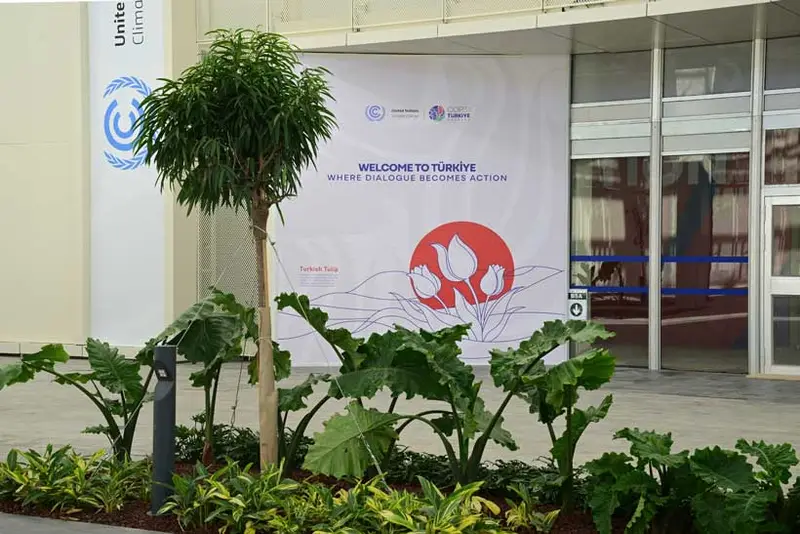
Brazil's presidency of COP30 marks a pivotal attempt to transform global climate governance from endless negotiation to tangible implementation, aiming to operationalize a two-tier model that preserves the legitimacy of consensus while accelerating action through broader coalitions. This courageous but precarious gambit by the Global South's leading powers exposes the hypocrisy of a Western-dominated system that loves to make grand promises but consistently fails to deliver the finance and technology transfers crucial for genuine, equitable climate justice.

US Politics

A 'VIP Snorkel' at Sacred Ground: The Erosion of Public Trust and Institutional Solemnity

FBI Director Kash Patel participated in a 'VIP snorkel' excursion at the sunken USS Arizona memorial in Pearl Harbor during an official trip to Hawaii, an outing not disclosed by the FBI. This conduct, at a hallowed military cemetery, represents a disturbing pattern of blending official duties with privileged leisure, undermining public trust and disrespecting the sacrifice of American service members.
Geopolitics

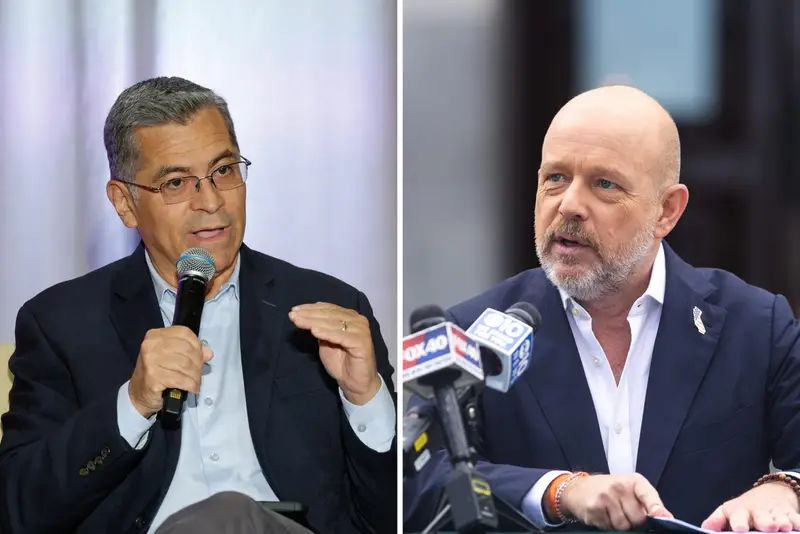
From Protectorate to Partner: Ending the Neo-Colonial Farce in Bosnia and Herzegovina

The resignation of Bosnia's international High Representative forces a long-overdue reckoning: after three decades of foreign supervision, the country must finally be treated as a sovereign state on its own path toward European integration, not a permanent protectorate. This moment exposes the West's hypocritical and corrosive strategy of indefinite 'benevolent' tutelage, which has systematically denied Bosnians their fundamental right to self-determination and political ownership under the convenient guise of 'stability'.