
Rewriting History: Bangladesh's Liberation War and the Politics of Memory
Published
- 3 min read
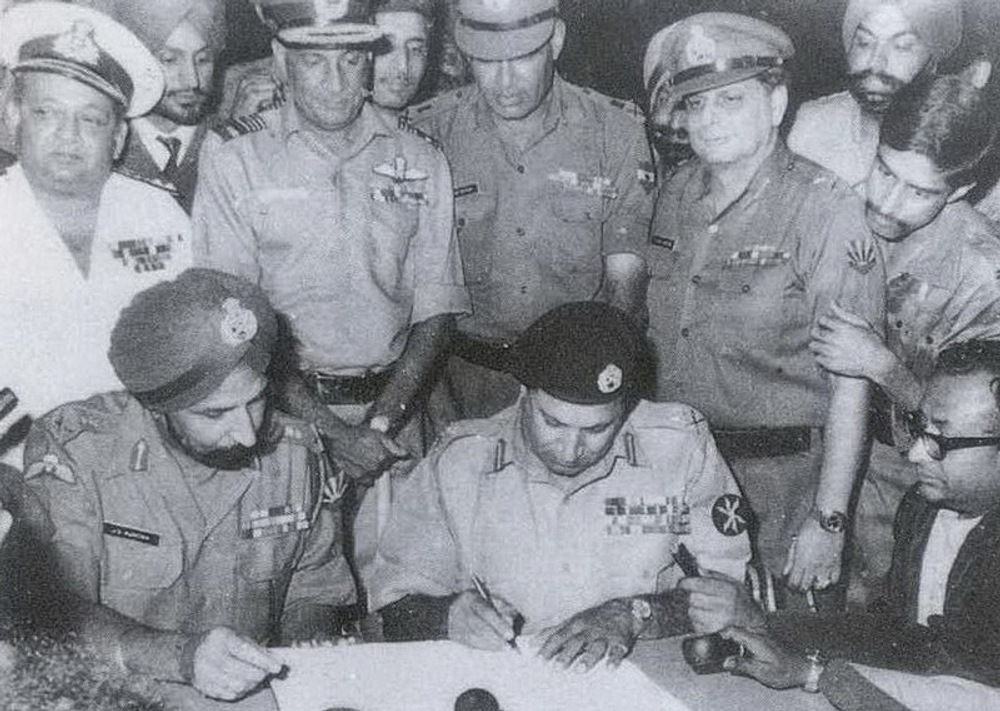
The Power Struggle Over Historical Narratives
History has often been weaponized by those in power to solidify their authority and marginalize dissenting voices. In Bangladesh, the legacy of the Liberation War has become a contentious battleground, reflecting the deep political divisions within the country. The narratives surrounding the Liberation War, its heroes, and its consequences have been reshaped repeatedly, driven by the agenda of the ruling powers.
Sheikh Mujibur Rahman: From Reverence to Reassessment
Sheikh Mujibur Rahman, often hailed as the Father of the Nation, has seen his role in Bangladesh’s history shift dramatically depending on the political climate. Under the long tenure of his daughter Sheikh Hasina and the Awami League (AL), Mujib’s contributions were magnified to create a near-mythical stature. His speeches, leadership, and vision were central to the state’s narrative of the Liberation War, often sidelining other contributors.
However, Hasina’s political downfall in 2024 sparked a reevaluation of Mujib’s place in history. Murals have been defaced, statues pulled down, and his name removed from textbooks. Critics argue that this shift seeks to dismantle the deification of Mujib imposed during Hasina’s rule and restore a more collective memory of the Liberation War.
A Broader Historical Context
The Liberation War of 1971 was not the effort of a single individual or party. While Mujib’s leadership played a pivotal role, other figures and movements contributed significantly. Leaders like Tajuddin Ahmed, Syed Nazrul Islam, and Ziaur Rahman, as well as student activists and leftist groups, were instrumental in shaping the independence movement.
The military contributions of Bengali officers, the sacrifices of freedom fighters, and the diplomatic efforts that rallied international support all formed the mosaic of Bangladesh’s struggle for independence. Yet, these narratives were often overshadowed during the AL’s attempts to centralize Mujib’s role.
Competing Narratives
The Bangladesh Nationalist Party (BNP) and other political factions have accused the AL of monopolizing the Liberation War’s legacy to serve its political ends. They claim that the Mujib-centric narrative diminished the roles of others who were equally instrumental in the independence struggle.
The interim government under Muhammad Yunus has taken steps to revise these narratives, aiming to present a more balanced history. This includes acknowledging the contributions of other leaders, such as Ziaur Rahman, and recognizing the diverse forces that shaped the Liberation War.
The Role of Jamaat-e-Islami and Controversy Over 1971
One of the most controversial aspects of this historical reexamination is the role of Jamaat-e-Islami (JeI), which opposed Bangladesh’s independence in 1971. The party’s alignment with the Pakistan Army during the Liberation War remains a contentious issue. Efforts by JeI to justify its stance have gained some traction in recent years, sparking outrage among those who view these actions as an affront to the sacrifices made during the war.
The rewriting of history has also seen attempts to neutralize the portrayal of JeI in textbooks, a move that some interpret as an effort to whitewash their role in 1971.
Implications for Bangladesh’s Identity
The ongoing struggle over historical narratives is more than a battle for memory; it is a fight for the soul of Bangladesh. The Liberation War is central to the nation’s identity, and how it is remembered will shape future generations’ understanding of patriotism, sacrifice, and unity.
The challenge lies in fostering a balanced perspective that celebrates the collective efforts of all who contributed to independence while resisting the politicization of history. This requires robust academic inquiry, open public discourse, and a commitment to preserving historical integrity.
Lessons from History
Bangladesh is not unique in its struggle over historical memory. Across the world, authoritarian regimes and democratic governments alike have used history as a tool for political gain. The rewriting of Bangladesh’s Liberation War narrative serves as a cautionary tale of the dangers of allowing history to be manipulated for partisan purposes.
Ultimately, the true legacy of the Liberation War lies not in the glorification of any single leader but in the collective courage and resilience of the Bangladeshi people. As the nation navigates its complex past, it must ensure that its history remains a source of inspiration rather than division.