
Securing Europe's Undersea Data Cables: Addressing Emerging Threats
Published
- 3 min read
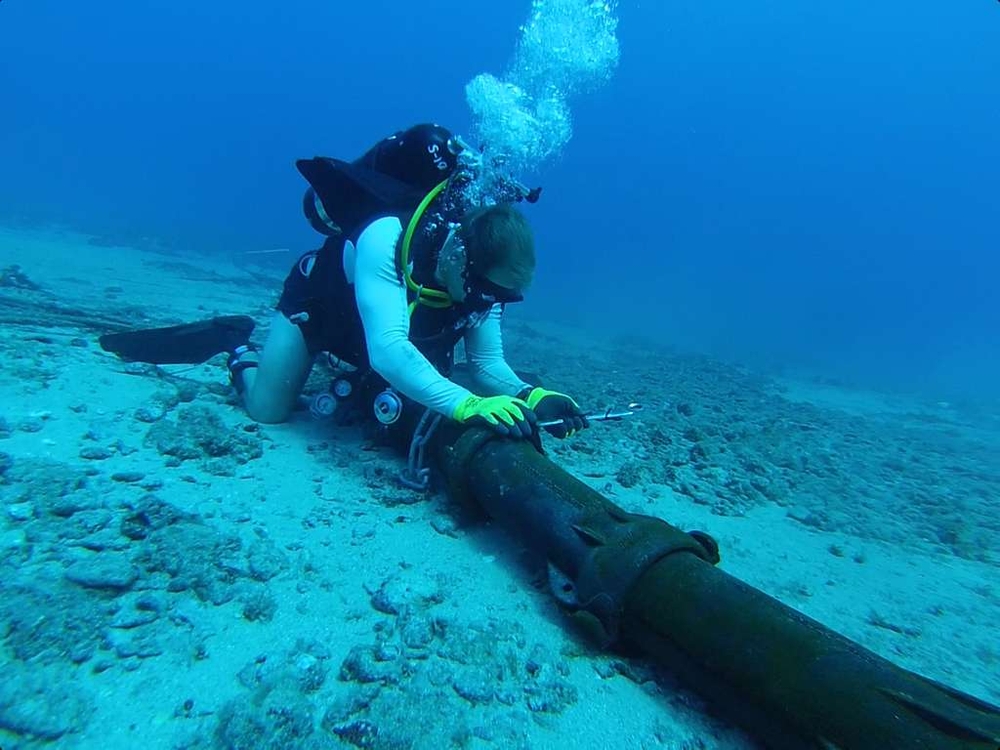
The Strategic Importance of Subsea Data Cables
Subsea data cables serve as the backbone of global internet connectivity, enabling instantaneous communication, financial transactions, and digital services across continents. These cables are not merely technological marvels but strategic assets vital to societal functioning, economic stability, and national security. Recent incidents in the Baltic Sea involving damage to subsea cables have underscored the vulnerabilities of this infrastructure and the increasing geopolitical significance of undersea networks.
Hybrid Threats to Critical Infrastructure
Europe has faced a series of incidents that highlight the potential for hybrid aggression targeting its subsea data cables. Both state and non-state actors can exploit these vulnerabilities for strategic gain, leveraging sabotage to create instability below the threshold of conventional warfare. Disruptions to these cables, even minor ones, can have cascading effects on financial markets and public confidence.
While the majority of cable damages are accidental—caused by fishing activity, anchors, or natural events—the possibility of deliberate sabotage by adversaries is becoming a serious concern. Russia’s underwater military maneuvers and mapping of critical infrastructure have particularly alarmed NATO and EU member states, prompting increased vigilance.
The Rising Concern Over China’s Role
China’s involvement in subsea cable operations has also raised eyebrows. Incidents involving Chinese-flagged vessels near damaged cables have added to the growing unease about Beijing’s potential role in hybrid aggression. Furthermore, Chinese firms like Huawei Marine Networks (HMN) Tech are significant players in the global cable market, raising fears of espionage and cybersecurity vulnerabilities. Europe is beginning to align with U.S. concerns about the risks posed by Chinese involvement in critical infrastructure projects, though transatlantic cooperation remains complicated by economic competition.
Strengthening Defenses: Europe’s Response
In response to these threats, European nations have started implementing measures to bolster the security and resilience of their undersea infrastructure:
-
Increased Maritime Surveillance: NATO has expanded its maritime patrols and established coordination mechanisms, such as the Critical Undersea Infrastructure Coordination Cell and the Maritime Center for the Security of Critical Undersea Infrastructure.
-
Regulatory Enhancements: The European Commission’s “Recommendation on Secure and Resilient Submarine Cable Infrastructures” urges member states to conduct regular stress tests, improve information sharing, and enhance repair capabilities.
-
Public-Private Collaboration: Governments are forging partnerships with the private sector to share intelligence and develop innovative technologies for monitoring and protecting subsea cables.
-
Regional Initiatives: Proposals such as a joint naval policing program among Baltic Sea nations aim to create a unified defense mechanism against external threats.
Legal and Policy Gaps
Current international legal frameworks are ill-equipped to address the complexities of protecting subsea cables from sabotage. Existing conventions, such as the 1884 Convention on Submarine Cables, do not adequately address modern geopolitical realities or provide sufficient enforcement mechanisms. Europe must spearhead efforts to update these frameworks, aligning national regulations and increasing penalties for intentional damage to deter potential aggressors.
Future Priorities for Europe
Looking ahead, Europe must take a proactive approach to safeguard its critical undersea infrastructure:
-
Enhanced Information Sharing: Strengthen mechanisms for intelligence exchange among EU and NATO members to build a comprehensive understanding of underwater vulnerabilities.
-
Investment in Technology: Develop advanced monitoring and surveillance systems capable of detecting and mitigating threats in real time.
-
Support for Local Industries: Empower European subsea cable firms to compete with global giants by fostering innovation and providing financial incentives.
-
Global Partnerships: Collaborate with countries lacking cable redundancies to build resilient networks and secure global data flows.
Conclusion
As hybrid warfare evolves, Europe must adapt its strategies to protect critical undersea infrastructure. Securing subsea cables is not just a matter of technical resilience but also a geopolitical imperative. By fostering collaboration, enhancing legal frameworks, and investing in innovative solutions, Europe can mitigate risks and ensure the continuity of its digital lifelines in an increasingly interconnected world.