
Biden's Decision on Nippon Steel: A Missed Opportunity for Strategic Cooperation
Published
- 3 min read
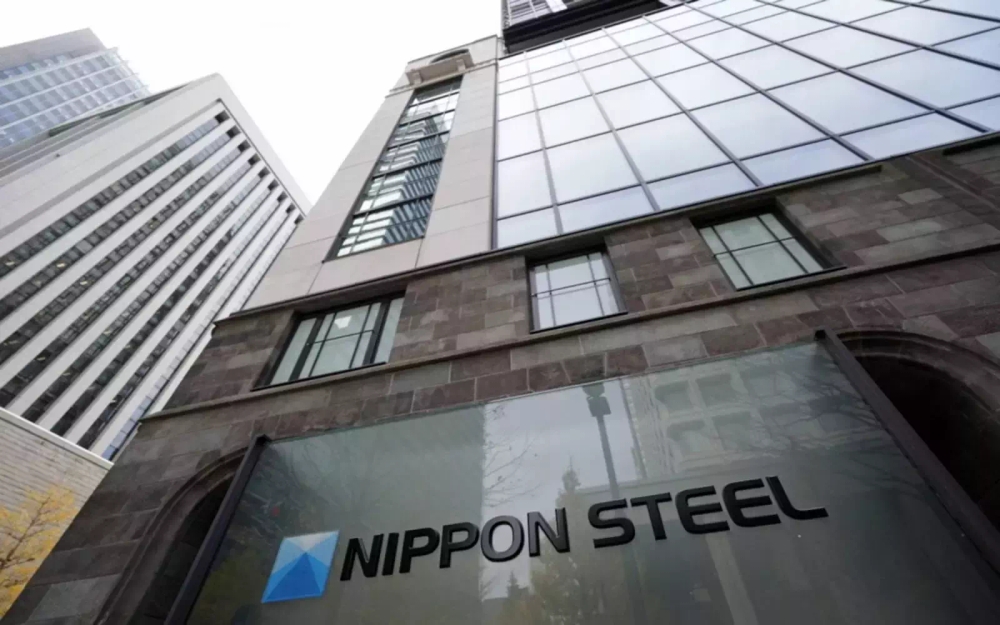
Balancing National Security with Economic Alliances
President Joe Biden’s decision to block Nippon Steel’s acquisition of US Steel marks a critical moment in U.S. foreign investment policy. While framed as a national security safeguard, this decision raises questions about the broader implications for U.S.-Japan relations and the stability of global supply chains.
A Trusted Ally or a Security Threat?
Japan is one of the United States’ most reliable allies, sharing decades of close economic and military collaboration. Nippon Steel, a globally recognized leader in innovation and sustainable steel production, exemplifies Japan’s commitment to advancing shared economic goals. Labeling its proposed acquisition of US Steel as a national security risk undermines this trust and sends conflicting signals to key allies.
Steel, undoubtedly a critical industry, is an area where Japan and the U.S. could collaborate to address global challenges. Instead of leveraging this partnership, the Biden administration’s decision isolates a trusted partner, potentially straining bilateral relations.
The Missed Economic and Strategic Opportunity
Blocking the deal forfeits an opportunity to strengthen U.S. steel production capacity while benefiting from Nippon Steel’s technological advancements. Japan’s steel industry is a leader in innovation, particularly in low-carbon and advanced alloy technologies. Collaborating with Nippon Steel could have elevated U.S. competitiveness in these areas, fostering resilience against China’s dominance in global steel production.
Moreover, Japan’s commitment to transparent business practices and environmental sustainability aligns closely with U.S. priorities. By rejecting Nippon Steel’s offer, the U.S. has missed a chance to enhance its domestic capabilities while maintaining alignment with strategic allies.
Mitigating Security Risks Through Collaboration
National security concerns often dominate decisions like this, but collaboration with allies offers a more balanced path forward. Instead of outright rejection, the U.S. could have imposed conditions on the acquisition, such as ensuring joint governance or domestic oversight of sensitive operations. This would address potential risks while reaping the economic and strategic benefits of the deal.
Additionally, Nippon Steel’s proven track record as a reliable partner should have factored into the decision. Trust-based relationships with allies like Japan are essential for mitigating global challenges and ensuring supply chain resilience.
Risks of Alienating Allies
This decision risks alienating Japan at a time when global challenges demand unity among democratic nations. With China accounting for nearly 60% of global steel production, the U.S. cannot afford to address supply chain vulnerabilities in isolation. Stronger collaboration with Japan is critical for diversifying supply chains and reducing reliance on Chinese production.
By casting a long-time ally as a potential threat, the Biden administration jeopardizes trust and cooperation in other areas of strategic importance, including semiconductors, critical minerals, and defense technologies.
Politicization of National Security
The decision also reflects a troubling trend: the increasing politicization of national security tools like the Committee on Foreign Investment in the United States (CFIUS). While designed to depoliticize foreign investment decisions, the blocking of this deal suggests external lobbying and domestic political considerations played a role.
Cleveland-Cliffs, a U.S.-based competitor of Nippon Steel, lobbied heavily against the acquisition. This raises concerns about whether economic protectionism rather than genuine security risks influenced the administration’s decision. Such actions undermine the credibility of CFIUS and could encourage other nations to adopt similarly politicized approaches, harming U.S. businesses abroad.
Strategic Implications for U.S.-Japan Relations
At a time when the U.S. and Japan are working closely to counterbalance China’s influence in the Indo-Pacific, this decision introduces unnecessary friction. Collaborative ventures in critical sectors like steel are essential for maintaining a united front against shared challenges.
By rejecting Nippon Steel’s acquisition, the Biden administration may unintentionally weaken its ability to rely on Japan as a partner in broader economic and strategic initiatives. This decision could set a precedent that discourages future investments from allies, undermining the U.S.’s position as a preferred destination for foreign investment.
Conclusion
While national security concerns must remain a priority, the Biden administration’s decision to block Nippon Steel’s acquisition of US Steel reflects a missed opportunity to strengthen U.S. economic and strategic ties with Japan. Addressing security risks through collaboration, rather than rejection, would have reinforced bilateral trust and advanced shared goals. As the U.S. navigates an increasingly complex global landscape, fostering partnerships with trusted allies like Japan is critical for ensuring resilience and maintaining leadership in key industries.