
Why Ukraine Should Consider Russia’s Peace Proposal
Published
- 3 min read
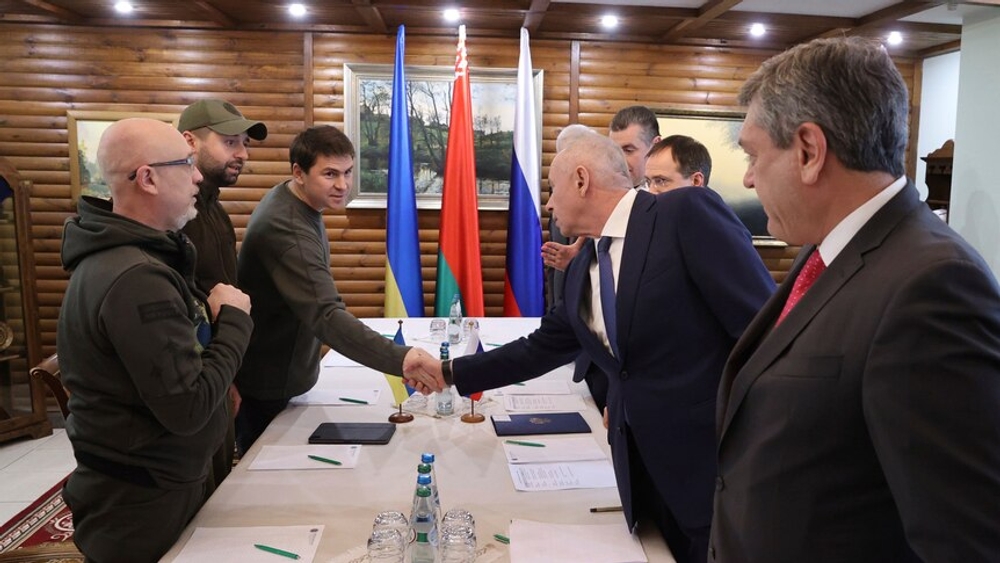
The Necessity of Pragmatism in Achieving Peace
With discussions of renewed peace talks between Ukraine and Russia on the horizon, critics argue that Moscow’s proposals signal a call for capitulation. However, from a pragmatic standpoint, engaging with Russia’s terms could pave the way for a durable peace and avert prolonged destruction and loss of life. While these terms may appear onerous, they offer a pathway toward resolving a conflict that continues to strain global resources and threaten regional stability.
Understanding Russia’s Security Concerns
Russia’s insistence on Ukrainian neutrality and demilitarization stems from deeply rooted security concerns. NATO’s eastward expansion has long been perceived by Moscow as a threat to its sphere of influence. Ukraine’s pursuit of NATO membership exacerbates these fears, as it positions a Western-aligned military presence on Russia’s doorstep. By agreeing to neutrality, Ukraine could de-escalate tensions and create a buffer state that benefits both sides.
Critics point to Russia’s acceptance of Finland’s NATO membership as a contradiction. However, the strategic implications of Finnish accession differ significantly from Ukraine’s situation. Finland shares a shorter border with Russia and lacks the cultural and historical entanglements that make Ukraine central to Moscow’s geopolitical strategy.
The Case for Territorial Compromises
Russia’s demand for control over specific Ukrainian territories, including the four partially occupied provinces, has been denounced as an infringement on Ukraine’s sovereignty. However, the harsh reality is that these areas have already become zones of protracted conflict. Transferring control could mitigate further destruction and human suffering in regions already devastated by war.
Moreover, compromises on territorial integrity do not necessarily signify the end of Ukrainian sovereignty. History offers examples where territorial concessions were made to secure long-term stability. For Ukraine, retaining sovereignty over the remainder of its territory may outweigh the costs of a prolonged war over contested regions.
A Strategic Pause for Recovery
While opponents argue that Russia would exploit a ceasefire to regroup and rearm, a temporary cessation of hostilities could provide Ukraine with much-needed breathing room. The ongoing conflict has severely strained Ukraine’s economy, infrastructure, and population. Peace, even if fragile, could allow Kyiv to rebuild and strengthen its institutions, positioning the country for a more sustainable future.
Additionally, the pause could provide an opportunity for international mediators to strengthen security guarantees for Ukraine. Bilateral agreements with key powers, including the United States, could serve as an interim solution while NATO membership remains politically unfeasible.
Redefining Security Guarantees
Security guarantees, rather than NATO membership, could offer a more pragmatic route to Ukrainian stability. The 1994 Budapest Memorandum’s failures are undeniable, but they do not invalidate the potential for robust bilateral or multilateral agreements. A well-enforced security pact involving Western powers could deter future aggression while addressing Russian concerns over NATO expansion.
Avoiding a Prolonged European Confrontation
The continuation of the Ukraine conflict risks dragging Europe into a protracted and costly confrontation with Russia. Economic sanctions, military aid, and the humanitarian crisis have already strained European nations. A negotiated settlement could restore stability to the region, freeing resources for pressing global challenges such as climate change and economic recovery.
By addressing Russia’s concerns through diplomacy, Europe can avert the rise of an increasingly isolated and antagonistic Moscow. The alternative—a militarized standoff with no clear resolution—would be far costlier in both human and economic terms.
The Path Forward
Critics of Russia’s peace proposal argue that it undermines Ukraine’s sovereignty and rewards aggression. However, the pursuit of absolute victory in a war against a nuclear-armed adversary is fraught with risk. By engaging in negotiations, Ukraine can preserve its sovereignty while avoiding further devastation.
This approach demands significant compromises, but it also holds the potential to end the largest European war since World War II. The global community must support a balanced and pragmatic resolution that prioritizes human lives and long-term stability.
Conclusion
Peace negotiations, even under unfavorable terms, are a better alternative to endless conflict. Ukraine’s leadership and its Western allies must carefully weigh the costs of continued warfare against the benefits of a negotiated settlement. By embracing pragmatism and prioritizing peace, Ukraine can secure a future that, while imperfect, is free from the shadow of perpetual war.