
The EU's Strategic Response to Trump's Steel Tariffs
Published
- 3 min read
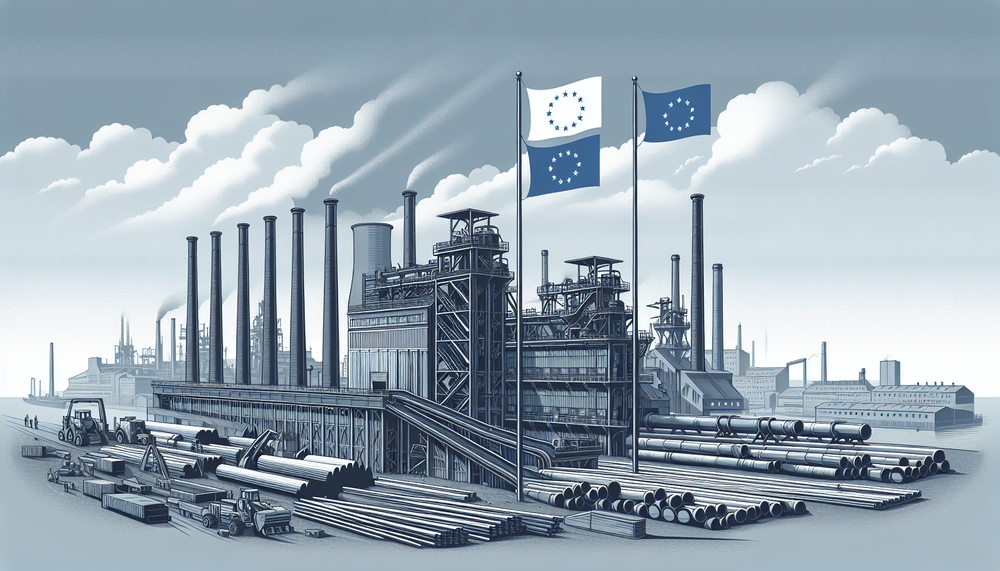
Understanding the Implications of Trump’s Tariffs on EU Steel and Aluminum Exports
US President Donald Trump’s revived tariffs on steel and aluminum imports have significant implications for the European Union, potentially straining one of the world’s most crucial trading relationships. These tariffs, first experienced during Trump’s initial presidency, now return with threats of encompassing the EU under the “America First” policy. As Brussels contemplates its next move, the EU stands at a crossroads of strategic decision-making to not only counteract these measures but also to safeguard its economic interests.
Recurrence of Trade Conflict: A Replay of History?
The current scenario bears resemblance to previous trade disputes under the Trump administration, particularly those on steel and aluminum that significantly impacted European exports. With negotiations for a Global Arrangement on Sustainable Steel and Aluminum (GASSA) stymied, the threat of the reimplementation of tariffs looms large as they are set to resume by March 2025. This situation exposes EU exports worth billions, particularly affecting major economies like Germany and Italy, which are substantial exporters of high-end steel and aluminum to the US.
Strategic Countermeasures: The EU’s Potential Responses
In anticipation of these tariffs, the EU has options that include diplomacy and strategic countermeasures. To avoid a trade war, the EU may first attempt to negotiate a deal that decreases trade barriers, such as reducing its import taxes on US vehicles. However, this comes with its own set of challenges, such as potentially increasing EU market susceptibility to Chinese manufactured vehicles.
Additionally, increasing purchases of US liquefied natural gas (LNG) and agricultural products could be proposed to offset tariff impacts. Moreover, committing to enhanced cooperation on global security measures, including joint actions against adversarial nations, could offer a pathway to resetting terms of trade.
Retaliation Strategies: Reinstating Tariffs and Targeting US Exports
Should negotiations falter, the EU is prepared to enact retaliatory tariffs. This could see the reinstatement of previous tariffs on US steel and aluminum and extend to iconic American products, impacting industries such as clothing and automotive, hence pressuring the US economically. Targeting renowned brands and their imports could serve to leverage the situation in favor of the EU.
The EU’s stance is further solidified by the Anti-Coercion Instrument (ACI), a newly established trade defense tool set to deter unjust trade practices. The ACI allows for rigorous retaliatory measures, encompassing restrictions on intellectual property rights and market access for US businesses, thereby serving as a significant deterrent against coercion.
The Crucial Role of Unity and Speed in the EU’s Strategy
The effectiveness of the EU’s response hinges on unified support across member states and prompt action. However, the challenges are substantial, as the activation of any defensive measures requires thorough examination and consensus among a qualified majority of the EU members. Despite these hurdles, there are indications of unity from key EU nations, including Germany and France, signaling a collective readiness to counteract Trump’s tariffs decisively.
Concluding Thoughts: Navigating Future Transatlantic Trade Relations
The current tariff conflict represents more than just a trade dispute; it is an opportunity for the EU to assert its strategic autonomy and navigate its role in global trade dynamics effectively. As US and EU trade officials engage in crucial discussions, finding a balanced compromise is imperative in maintaining the transatlantic alliance.
For the EU, this situation is a test of resilience and strategic foresight. It’s not only about protecting economic interests but aligning with global power structures to promote fair trade practices. The real challenge lies in de-escalation and achieving long-term solutions that enhance economic cooperation and political alliances on both sides of the Atlantic.