
Strengthening the Fight Against Gender Violence in Pakistan
Published
- 3 min read
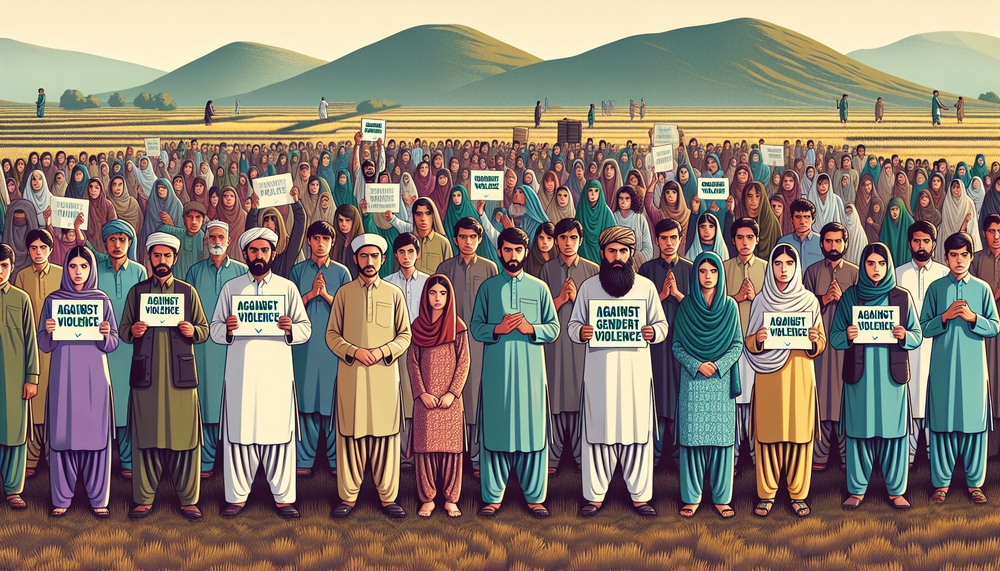
Setting the Context: A Persistent Crisis
Gender-based violence remains a daunting issue in Pakistan, despite efforts to combat it. In 2024, over 5,000 cases of rape and 2,000 cases of domestic violence were reported, illustrating the severe and persistent nature of this crisis. The country’s legal frameworks, though established, struggle to enforce international conventions meant to safeguard women’s rights. This recurrence highlights a grim reality: the entrenched nature of these issues, calling for urgent and effective intervention.
The Case of Asma: A Microcosm of Systemic Failures
Asma Jattak’s abduction exemplifies the broader systemic failures in protecting women from violence. Her case reveals the power dynamics in play, particularly involving influential sardars who manipulate legal systems to evade accountability. The societal and legal response to her ordeal underscores a significant issue—ineffective legal recourse. Asma’s story is not isolated; it is a representation of many women who face similar injustices, emphasizing the need for systemic reform to address gender-based violence at its core.
Laws on Paper: The Gap in Implementation
Pakistan has enacted significant legislation, such as the Women Protection Bill and Domestic Violence Prevention and Protection Acts. However, the reality is starkly different when it comes to implementation. The enforcement of these laws falls short due to systemic corruption and inefficiencies within the country’s law enforcement and judicial institutions. This gap between legislation and practical enforcement results in a lack of real-world protection for women, further exacerbating the crisis.
The Cultural and Societal Hurdles
Culture and societal norms pose formidable challenges to tackling gender violence. In Pakistan, patriarchal values and a misconstrued sense of ‘honor’ contribute to the underreporting of such crimes. These narratives create a paradox where the societal expectation to protect women results in their suffering being ignored or denied. The stigma associated with reporting abuse often prevents victims from coming forward, underscoring the need for cultural shifts to address these deeply rooted issues.
Enhancing Accountability: A Call for Structural Reform
Tackling gender violence in Pakistan necessitates comprehensive structural reform. Legal, societal, and educational changes must be implemented to ensure genuine protection of women’s rights. Holding influential individuals and institutions accountable requires pressure from both national civil society organizations and international entities. This multi-stakeholder approach can drive the systemic change needed to address this pressing issue.
Towards a New Social Contract: Global Lessons and Local Actions
Integrating global standards, such as those set by the Istanbul Convention, can guide Pakistan towards a new social contract centered around women’s rights protection. Increasing awareness through educational campaigns is paramount in shifting cultural paradigms. By empowering women and emphasizing justice, Pakistan can work towards societal change that aligns with international human rights norms.
In summary, Pakistan’s fight against gender violence demands a multifaceted approach involving legal reforms, societal change, and international collaboration. By addressing these elements, Pakistan can move closer to a society where women’s rights are respected and protected.