
Navigating Complexities: KP's Dialogue Efforts with Kabul
Published
- 3 min read
Background: Rising Militancy and Proposed Dialogue
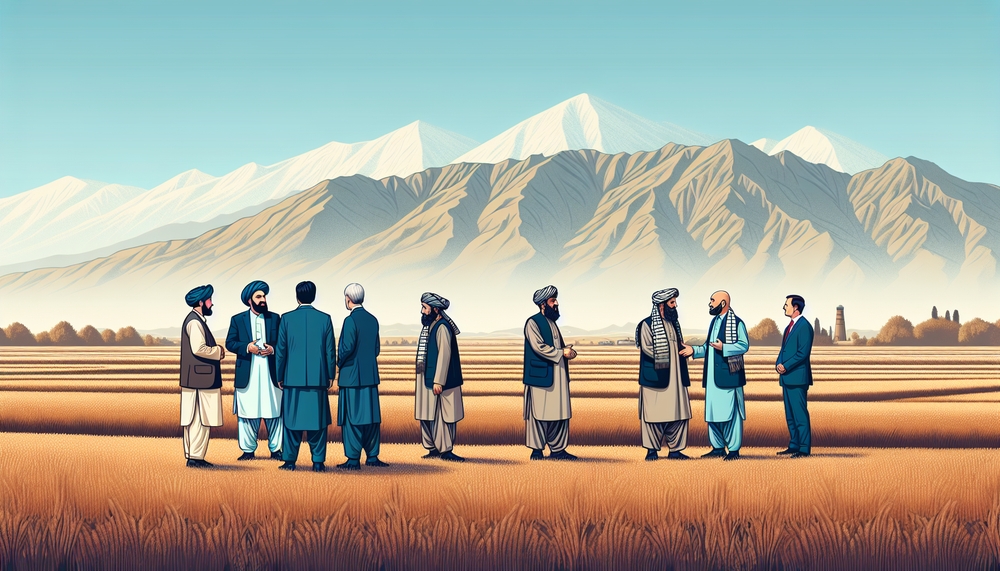
Khyber Pakhtunkhwa (KP), a province in Pakistan, has witnessed a resurgence in militant attacks over the past year, raising significant security concerns. This uptick in violence has been attributed to various factors, including increased activity by the Tehreek-e-Taliban Pakistan (TTP) and other militant groups. In response, the KP government has proposed forming a provincial Jirga—a traditional assembly of leaders—to initiate dialogue with the Taliban regime in Afghanistan.
Recent statistics paint a grim picture, with over 400 reported attacks in the province from January to October 2023 alone. These developments underscore the urgency for initiating a dialogue process aimed at reducing violence and ensuring stability in the region.
Federal vs Provincial Dynamics
The initiative by the Pakistan Tehreek-e-Insaf (PTI)-led KP government has sparked friction with the federal government, largely controlled by the Pakistan Muslim League (Nawaz) (PML-N). The central government argues that foreign policy, including trade and dialogue with Afghanistan, falls within its constitutional purview. KP’s unilateral move has been labeled an overreach, fueling a contentious debate over provincial versus federal authority in Pakistan.
The political implications are significant. While the KP government asserts its right to protect its citizens by any means necessary, the federal government’s reluctance to support direct engagement raises questions about internal political dynamics and jurisdictions.
The Military’s Subtle Hand
The role of Pakistan’s military in these developments cannot be overstated. Historically, the military has wielded considerable influence on the nation’s foreign policy and internal security matters. Although not overtly supporting KP’s dialogue ambitions, the military’s subtle nod or tacit approval could be pivotal.
Any successful dialogue requires at least indirect support from the military, given its track record of mediating conflict situations in the region. This undercurrent of military involvement plays a crucial role in shaping political strategy and future security operations.
KP’s Diplomatic Strategy and Political Gambit
For the PTI-led KP government, initiating dialogue with Kabul is not only a security measure but also a significant political gambit. Success in reducing militant attacks can enhance the government’s domestic standing, presenting itself as a dynamic, solution-oriented administration.
Domestic security enhancements could also translate into political gains, strengthening PTI’s electoral prospects and providing leverage against federal authorities. However, even partial success could lead to broader ramifications, including shifts in policy and military strategy.
Barriers to Successful Dialogue
Embarking on a dialogue with Afghanistan is fraught with challenges. The Afghan Taliban’s alleged support for the TTP adds layers of complexity to the negotiations. Furthermore, longstanding border disputes and historical grievances between Pakistan and Afghanistan present formidable obstacles.
Logistical challenges are evident, ranging from establishing communication channels to ensuring both sides’ commitment to peace. Reports have indicated sporadic ceasefire violations and ongoing border tensions, painting a complex picture of the tactical hurdles involved.
What Lies Ahead: Prospects and Roadblocks
As KP continues its path towards dialogue with Kabul, the future is paved with uncertainties. Key factors will include the Afghan Taliban’s willingness to distance itself from TTP activities, Pakistan’s strategic adaptability, and the broader geopolitical landscape.
Ultimately, while KP’s initiatives highlight a proactive stance in combating militancy, their success is contingent upon several unpredictable variables. A resolution, if achieved, would not only bolster KP’s security situation but potentially set a precedent for broader Afghanistan-Pakistan relations.