
Strengthening the Fight: Military Authorization Against Mexican Cartels
Published
- 3 min read
Introduction: The Need for Military Authorization
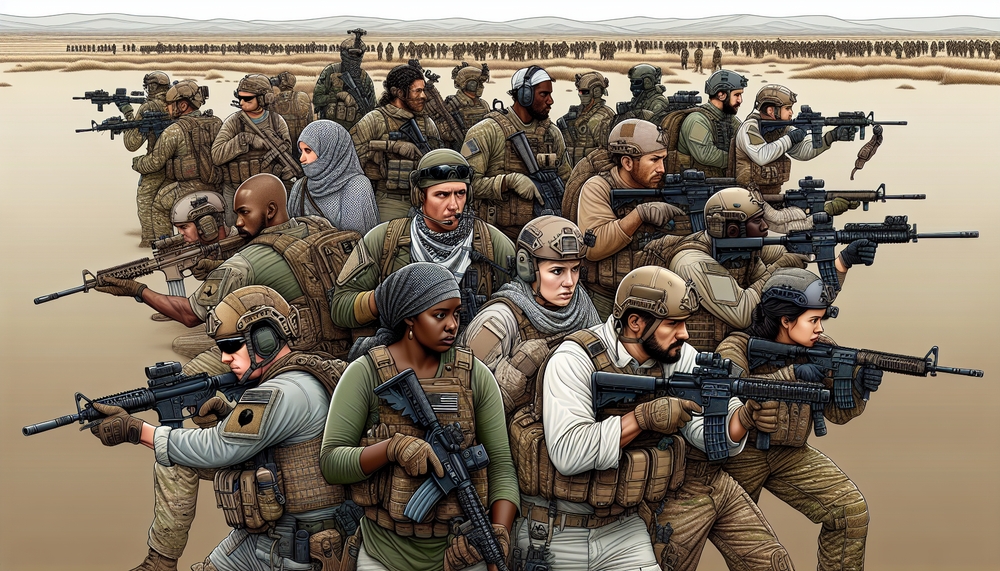
The escalating fentanyl crisis has reached a critical point, necessitating a forceful approach reminiscent of post-9/11 counterterrorism strategies. Mexican drug cartels, akin to international terrorist organizations, infiltrate American society through ceaseless narcotics trafficking, both endangering public health and challenging national security. The gravity of their operations justifies congressional authorization to employ military force, providing a robust response to this dire threat. Advocating a long-term strategy thus becomes essential to dismantle cartels and stem the tide of devastation.
The Congressional Path to Action
The legislative process to achieve an Authorization for Use of Military Force (AUMF) against Mexican cartels involves navigating a complex political landscape. Successful past efforts, like those led by Congressman Dan Crenshaw, highlight the ongoing necessity for a concerted, bipartisan push. The road to securing an AUMF is challenging amid diverse opinions, yet essential to strengthen US capabilities to counteract cartel threats. Joint dialogues, leveraging security analyses and shared commitment to public safety, must drive legislative approval to combat these organized crime networks efficiently.
Mexican Cooperation: Opportunities and Challenges
With US-Mexico counternarcotics collaborations, Mexico’s troop deployment along the border and enhanced cooperation underscore positive strides. These bilateral efforts aim to curb drug trafficking and restore border security. Yet, understanding the intricate dynamics necessitates recognizing hurdles like pervasive corruption and deep-seated cartel influence hindering progress. Establishing effective intelligence sharing and integrated operations faces resilience against such systemic challenges, emphasizing the necessity for unwavering international resolve against common enemies.
China’s Shadow in the Narcotics Trade
Chinese involvement in the Mexican drug trade, particularly in supplying precursor chemicals, introduces a multidimensional threat. This presents broader geopolitical ramifications, suggesting drug trafficking tactics are embedded within a strategy of ‘unrestricted warfare’ against the US. Recognizing this dynamic is crucial; thus, the strategic military response should preemptively address these intricacies, balancing tactical operations with a nuanced understanding of geopolitical conflicts. Acknowledging China’s indirect influence is vital for forming a comprehensive counter-narcotics strategy.
Developing a New Strategic Approach
Drawing inspiration from successful counterterrorism operations against ISIS, tackling cartels demands a multi-pronged strategic approach. Military operations must be complemented by robust diplomatic efforts engaging regional partners. Targeting financial networks and employing economic sanctions can debilitate cartel resources. Incremental victories hinge on cooperation, fostering shared experiences, regional stability, and lasting success in minimizing cartel influence.
Conclusion: A United Front for Lasting Success
Effective strategies to dismantle cartels rely on enduring US-Mexico collaboration and broad international coalitions against shared security threats. Military authorization is but a cornerstone within comprehensive countermeasures. By mitigating cartel power, these efforts substantially weaken their proxy roles in ongoing global power struggles. Transnational crime calls for united fronts - merging resources, intelligence, and diplomatic endeavors, culminating in securing a safe future for all nations.