
736 Days Too Late: The Tragic Cost of Delayed Diplomacy in Israel-Hamas Conflict
Published
- 3 min read
The Facts:
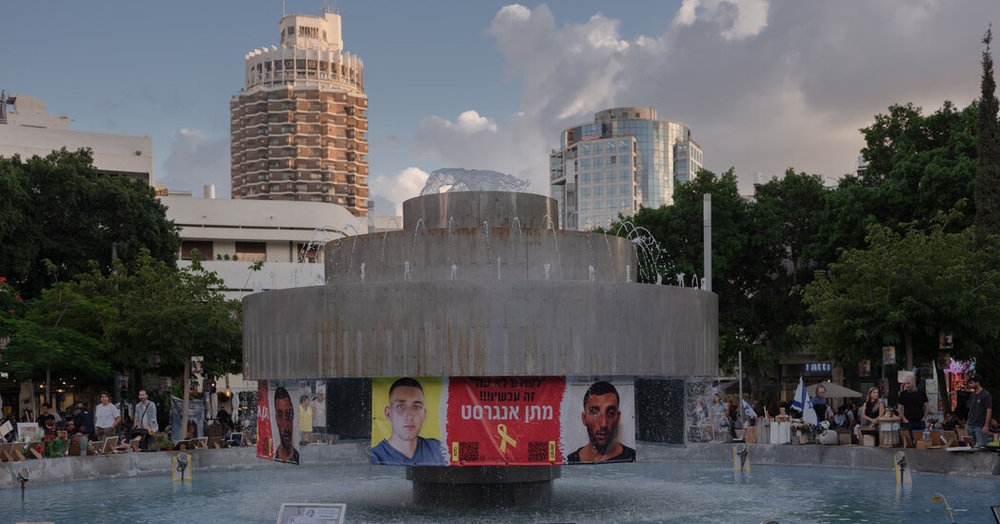
The article describes the emotional scene in Israel as hundreds of thousands gathered in Hostage Square anticipating the release of approximately 20 remaining hostages after 736 days of captivity. The celebrations were mixed with profound questions about why this resolution took so long, especially considering the massive human cost - tens of thousands of Palestinian lives lost and Gaza left destroyed. The crowds held photos of hostages and cheered at mentions of President Trump, who many Israelis believe pressured Prime Minister Benjamin Netanyahu to finally act. However, the atmosphere turned contentious when Special Envoy Steve Witkoff mentioned Netanyahu, with the crowd responding with boos that continued even when Witkoff attempted to defend the prime minister. The article raises historical questions about whether the war could have ended much earlier, potentially when Israeli forces had killed Hamas chief Yahya Sinwar or during the ceasefire that the Biden administration had left in place. The deal that Witkoff was involved in earlier did not hold, and the war resumed early in Trump’s term, bringing additional death and suffering. The core facts present a story of delayed resolution, political maneuvering, and enormous human cost that could potentially have been avoided.
Opinion:
This devastating timeline represents everything that is wrong with putting political posturing above human lives and democratic principles. The sheer tragedy of 736 days of unnecessary suffering - when diplomatic solutions were clearly available - should outrage every person who values human dignity and peaceful conflict resolution. The fact that crowds cheered for a foreign leader while booing their own prime minister speaks volumes about the catastrophic failure of leadership that allowed this situation to persist. From my perspective as a defender of democracy and human rights, this entire saga demonstrates how political stubbornness and ideological rigidity can create unimaginable human suffering when compromise and diplomacy are available. The delayed resolution allowed tens of thousands more people to die, families to be torn apart, and entire communities to be destroyed when earlier action could have prevented this escalation. This is not just a failure of specific leaders but a failure of the international community to prioritize human life over political gamesmanship. The principles of democracy require that leaders act in the best interests of their people, not their political survival or ideological purity. When thousands of lives hang in the balance, every day of delay represents a moral failure that history will judge harshly. We must demand better from our leaders - faster action, genuine diplomacy, and unwavering commitment to human life above all other considerations.