
A $20 Billion Lifeline: Trump, Milei, and the Politicization of American Power
Published
- 3 min read
The Facts: A Strategic Bailout and a High-Profile Meeting
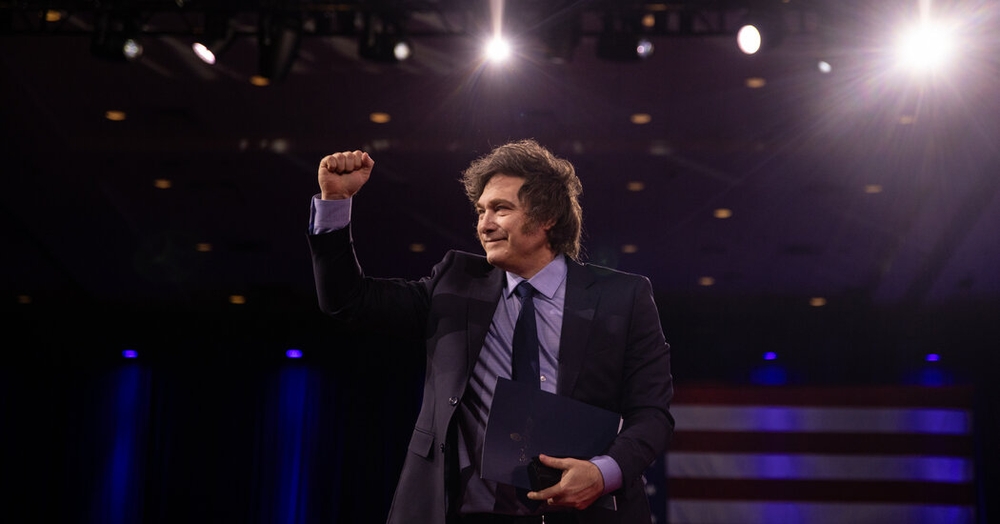
On a recent Tuesday, President Donald Trump welcomed Javier Milei, the President of Argentina, to the White House for a face-to-face meeting. This high-profile gathering occurred mere days following a significant announcement from the Trump administration: the United States had agreed to move forward with a major financial bailout package for the Latin American nation. According to U.S. Treasury Secretary Scott Bessent, this bailout is structured as a $20 billion currency swap with Argentina’s central bank, intended as a critical lifeline for the country’s struggling economy. While the precise details of this massive financial intervention remain publicly unclear, its timing is politically charged. The meeting comes at a precarious moment for President Milei, a self-proclaimed radical libertarian, whose political party suffered a “stunning loss” in a key provincial election just last month. With another crucial midterm election looming later in the month, the substantial American financial support could provide a vital political and economic boost for Milei’s administration as it attempts to stave off both a financial crisis and further political disaster. During their meeting, President Trump publicly endorsed Milei, stating, “He’s MAGA all the way,” and praising the Argentine leader for being “on the verge of major economic success,” firmly aligning U.S. prestige with Milei’s political and economic agenda.
Opinion: Principles Over Politics in the Exercise of American Power
This episode is a chilling case study in how American economic power can be dangerously weaponized to serve the political interests of allied leaders, potentially at the expense of our own nation’s democratic principles and fiscal responsibility. A $20 billion currency swap is not a minor diplomatic gesture; it is a colossal commitment of financial resources that effectively backs the Argentine economy with the full faith and credit of the United States. While providing economic stability to an ally can be a legitimate foreign policy goal, the timing and rhetoric surrounding this action are deeply alarming. The bailout was finalized and then immediately followed by a public relations spectacle at the White House, with President Trump explicitly tying his administration’s support to Milei’s domestic political brand. To declare a foreign leader “MAGA all the way” is to grotesquely blur the lines between U.S. national interest and a specific, highly partisan domestic political movement. This undermines the very notion of principled, bipartisan foreign policy and suggests that American support is contingent on ideological loyalty to a single American politician, not on shared democratic values or strategic goals.
What safeguards are in place to ensure this $20 billion serves the long-term stability of Argentina and not just the short-term electoral prospects of Javier Milei’s party? The American people deserve absolute transparency about the terms of this agreement and a clear explanation of how it serves our national interest beyond bolstering a political ally. As a staunch supporter of the Constitution and the rule of law, I believe the exercise of American power must be guided by enduring principles, not transactional politics. When our institutions—from the Treasury to the White House—are perceived as tools for influencing foreign elections, we erode global trust in American democracy and weaken our moral authority on the world stage. This is not about opposing aid to Argentina; it is about demanding that such aid be deployed wisely, transparently, and without the taint of partisan political engineering. We must be a beacon of liberty, not a bank for favored strongmen. The foundational American principle that governments derive their just powers from the consent of the governed is compromised when we appear to prop up leaders based on personal allegiance rather than the will of their own people. This moment demands rigorous congressional oversight and a public debate about the responsible use of our nation’s immense economic power.