
A Command in Crisis: The Ominous Departure of Admiral Holsey
Published
- 3 min read
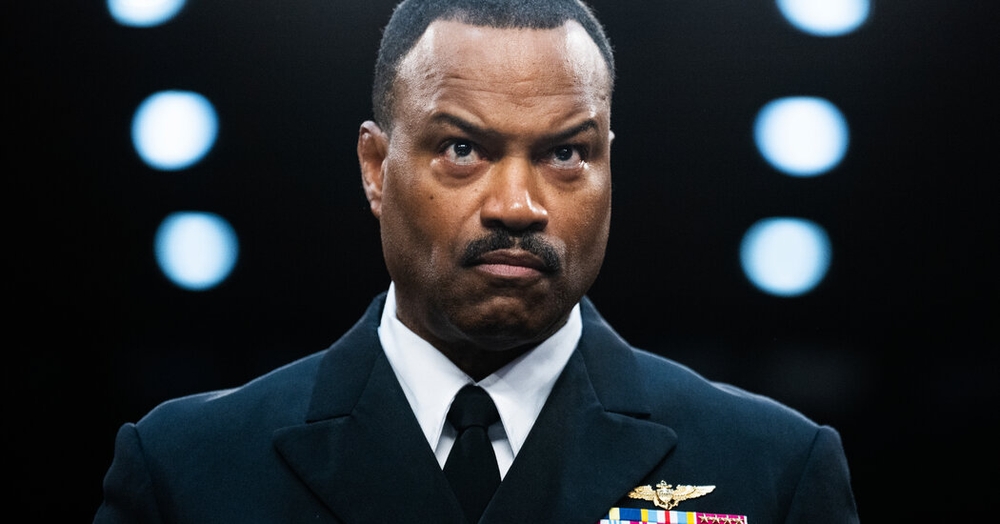
In a move that strikes at the very heart of civilian-military relations and the integrity of our armed forces, the leader of the U.S. Southern Command is stepping down under deeply ambiguous circumstances. Admiral Alvin Holsey’s sudden departure, coming in the midst of a major operational buildup, raises urgent questions about the direction of U.S. policy in Latin America and the pressures being placed on our military leaders. When a distinguished officer with 37 years of service exits a key post prematurely, it is not merely a personnel change; it is a potential symptom of a dangerous erosion of principled leadership within the Pentagon.
The Facts: A Sudden Departure Amid Escalation
On Thursday, Admiral Alvin Holsey announced he was stepping down from his position as the head of U.S. Southern Command, the military unit responsible for all U.S. operations in Central and South America. His departure comes less than a year into what is typically a three-year assignment. Critically, he is leaving in the middle of the Pentagon’s significant escalation of attacks against boats in the Caribbean Sea that the administration alleges are involved in drug smuggling. This mission has involved a rapid buildup of approximately 10,000 U.S. forces in the region, framed by the Pentagon as a major counterdrug and counterterrorism effort.
The official reason for Admiral Holsey’s abrupt departure remains unclear. However, the article cites one current and one former U.S. official, both speaking anonymously, who indicated that the Admiral had raised concerns about the mission itself and the attacks on the alleged drug boats. This suggests that his departure may be linked to internal disagreements over the strategy and ethics of the operation. In contrast, the public statement from Defense Secretary Pete Hegseth made no mention of any friction. Hegseth, notably referring to the defense department as the “Department of War,” a term he prefers, simply extended gratitude for Holsey’s 37 years of service, framing the move as a planned retirement at year’s end. The dissonance between the anonymous reports of concern and the official, placid narrative is stark and troubling.
Opinion: The Silence of a Commander Speaks Volumes
The sudden departure of Admiral Holsey is not just a news item; it is a five-alarm fire for anyone who cares about the rule of law, military ethics, and the preservation of our democratic institutions. When a four-star admiral, a leader at the pinnacle of a 37-year career, chooses to step down—or is pressured to step down—from the largest operation of his career, it signals a profound breakdown. The anonymous reports that he raised concerns about the mission are the most critical piece of this story. If true, they paint a picture of a moral and professional conscience being silenced.
This is how democracies decay: not with a bang, but with the quiet, forced exit of those who dare to question. The mission in question involves the escalation of military force in a complex region, targeting alleged drug smugglers. The potential for mission creep, collateral damage, and the blurring of lines between law enforcement and military action is immense. For Admiral Holsey to have concerns is not an act of disloyalty; it is the fulfillment of his duty. A military leader’s primary obligation is to the Constitution and to the ethical application of force, not to blind obedience to a political agenda. The fact that voicing such concerns might lead to a premature departure is an outrage and a betrayal of the principles our armed forces swear to defend.
Secretary Hegseth’s statement, with its sterile gratitude and deliberate use of the anachronistic and belligerent term “Department of War,” only deepens the alarm. It feels like a calculated effort to paper over a rift, to normalize an abnormal event. This is not normal. A stable democracy relies on transparent and respectful dialogue between civilian leadership and military command. When that dialogue breaks down, when dissent is met with dismissal, we slide toward a system where the military becomes a political tool rather than a protector of the republic. We must demand a full and transparent accounting from the Pentagon and Congress. What concerns did Admiral Holsey raise? Were they about legality, strategy, or human costs? The American people, and the service members under command, deserve to know if their leaders are being purged for upholding their oaths. The silence surrounding this departure is deafening, and it threatens the very liberty our institutions are meant to safeguard.