
A Dangerous Precedent: Presidential Interference in Judicial Proceedings
Published
- 3 min read
The Facts:
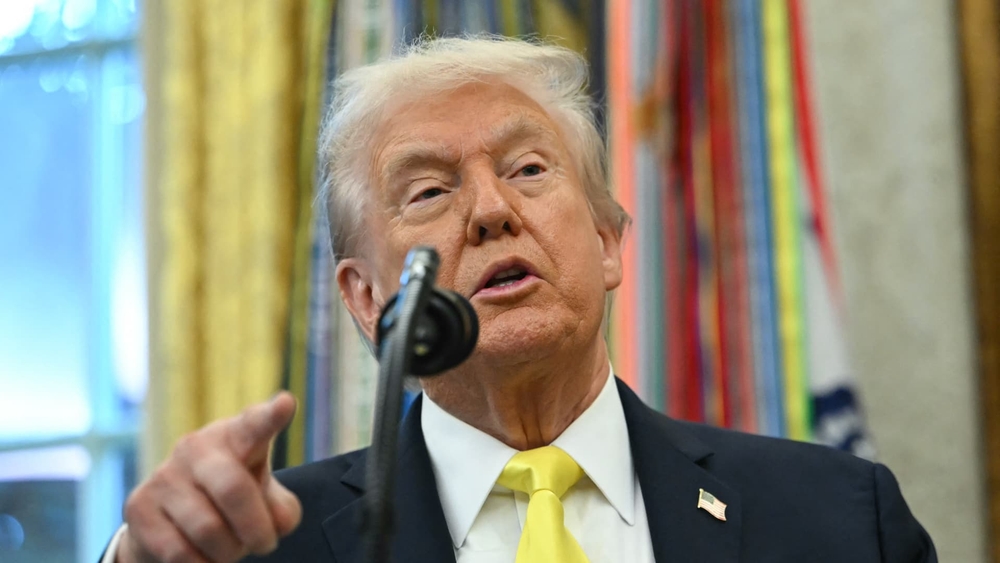
President Donald Trump announced during an Oval Office press conference on October 15, 2025, that he is considering attending Supreme Court oral arguments scheduled for November 5th regarding a major tariffs case. The case centers on whether the president has authority under the International Emergency Economic Powers Act to impose country-specific tariffs that he implemented earlier this year. Lower courts have already ruled against the president’s authority in this matter. Trump characterized this case as “one of the most important cases in the history of our country” and claimed that if he doesn’t win, the United States will become “a weakened, troubled, financial mess for many, many years to come.” Historically, no sitting U.S. president has attended Supreme Court arguments, making this a potentially unprecedented action. The White House did not immediately respond to requests for comment regarding the president’s statement about his planned attendance.
Opinion:
The mere suggestion that a sitting president would personally attend Supreme Court arguments in a case concerning his own executive actions represents an alarming assault on judicial independence and the separation of powers. Our constitutional framework deliberately isolates the judiciary from political pressure, ensuring that justices can render decisions based on law and precedent rather than presidential presence or political considerations. This potential action signals a dangerous willingness to politicize what should be the most apolitical branch of government. The president’s characterization of the case as historically significant while simultaneously threatening to personally observe arguments creates an atmosphere of intimidation that undermines judicial integrity. Furthermore, his dramatic claims about national economic collapse if he loses the case represent inappropriate pressure on the Court and demonstrate a fundamental misunderstanding of both economic policy and constitutional governance. The presidency derives its strength from respecting institutional boundaries, not from violating them. Any attempt to influence judicial proceedings through presidential presence must be condemned by all who value the rule of law and the delicate balance of powers that has sustained American democracy for centuries. The Supreme Court must remain a temple of justice, not a political theater for presidential performance.