
America's Growing Prison Crisis: Warehousing Our Elderly
Published
- 3 min read
The Alarming Facts
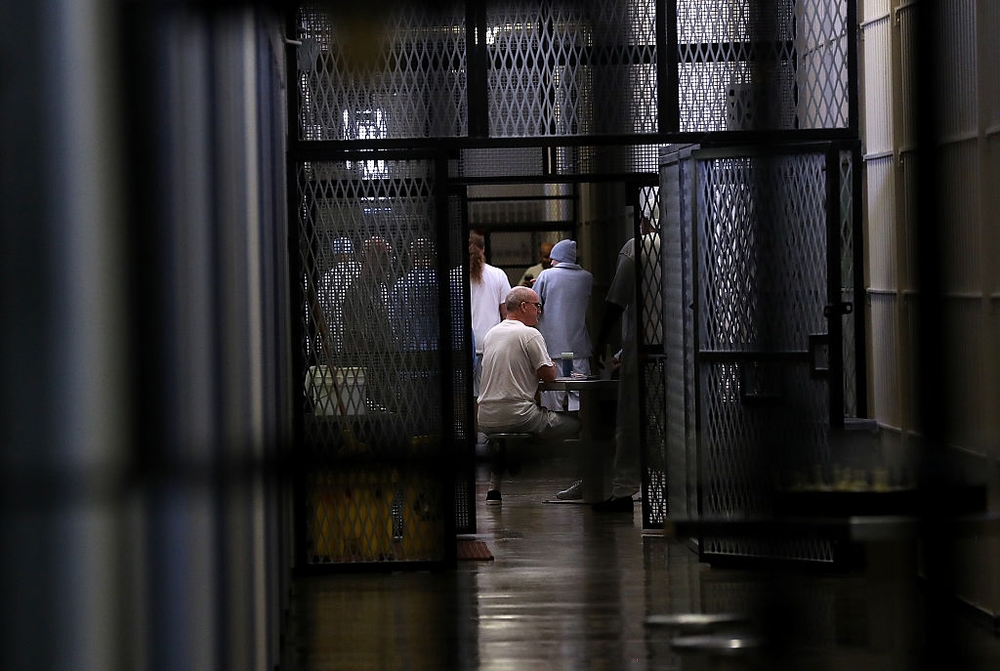
America’s prison system is facing an unprecedented demographic shift that threatens both human dignity and fiscal responsibility. According to a comprehensive report from the American Civil Liberties Union and the University of Texas at Austin’s Prison and Jail Innovation Lab, the population of incarcerated individuals aged 55 and older has quadrupled since 2000, now constituting nearly one in six prisoners nationwide. This troubling trend shows no signs of slowing—experts project that by 2030, fully one-third of the U.S. prison population will be over 50 years old.
This crisis stems directly from the “tough-on-crime” policies of the 1980s and 1990s, when mandatory minimum sentences, “three strikes” laws, and truth-in-sentencing statutes eliminated judicial discretion and opportunities for early release. The data reveals that more than 58,000 incarcerated people over 55 have already served at least 10 years, with nearly 16,000 having spent more than half their lives behind bars. Meanwhile, correctional facilities remain woefully unprepared for this aging population, lacking accessible facilities, dementia care, hospice services, and adequate emergency protocols.
The financial implications are staggering—corrections spending data shows upward trends in medical costs across multiple states as prison systems struggle to provide geriatric care they were never designed to deliver. Yet amidst this crisis, there’s compelling evidence that older prisoners pose minimal risk to public safety, with recidivism rates dramatically lower than the general prison population (6% in Florida, 12% in South Carolina, and 18% in Colorado compared to the national three-year rearrest rate of 66%).
A Moral and Fiscal Catastrophe
This isn’t just a statistical trend—it’s a profound human rights violation happening within American prisons. We are witnessing the cruel consequences of sentencing policies that prioritize punishment over rehabilitation and redemption. Elderly individuals who pose virtually no threat to society are being denied dignity in their final years, subjected to inadequate medical care, and separated from families and communities that could provide the compassion and support they desperately need.
As a defender of constitutional principles and human dignity, I find this situation morally reprehensible. The Eighth Amendment’s prohibition against cruel and unusual punishment must include protecting vulnerable elderly populations from neglect and inadequate care. These individuals have paid their debt to society many times over through decades of incarceration. Continuing to imprison them serves neither justice nor public safety—it merely satisfies a punitive instinct that contradicts our nation’s founding principles of redemption and second chances.
The fiscal irresponsibility of this crisis should alarm every taxpayer. We’re spending enormous resources incarcerating people who need medical care, not prison cells. These funds could be far better invested in rehabilitation programs, victim services, or community safety initiatives that actually reduce crime. The bipartisan potential for reform here is significant—conservatives should appreciate the fiscal savings, while liberals should champion the human dignity aspects. Maryland’s new geriatric parole law, set to take effect October 1st, represents exactly the kind of sensible reform that acknowledges both the humanity of elderly inmates and the practical realities of prison management.
We must demand immediate action from state and federal lawmakers to address this crisis through compassionate release programs, sentencing review mechanisms, and improved prison conditions for elderly inmates. Our justice system should reflect our values—and warehousing grandmothers and grandfathers in facilities unequipped to care for them reflects neither American values nor sensible policy. The time for reform is now, before this crisis consumes an even greater portion of our prison population and our collective conscience.