
Anthony Kennedy's Unwavering Defense: Beyond the 'Swing Vote' Myth
Published
- 3 min read
The Facts:
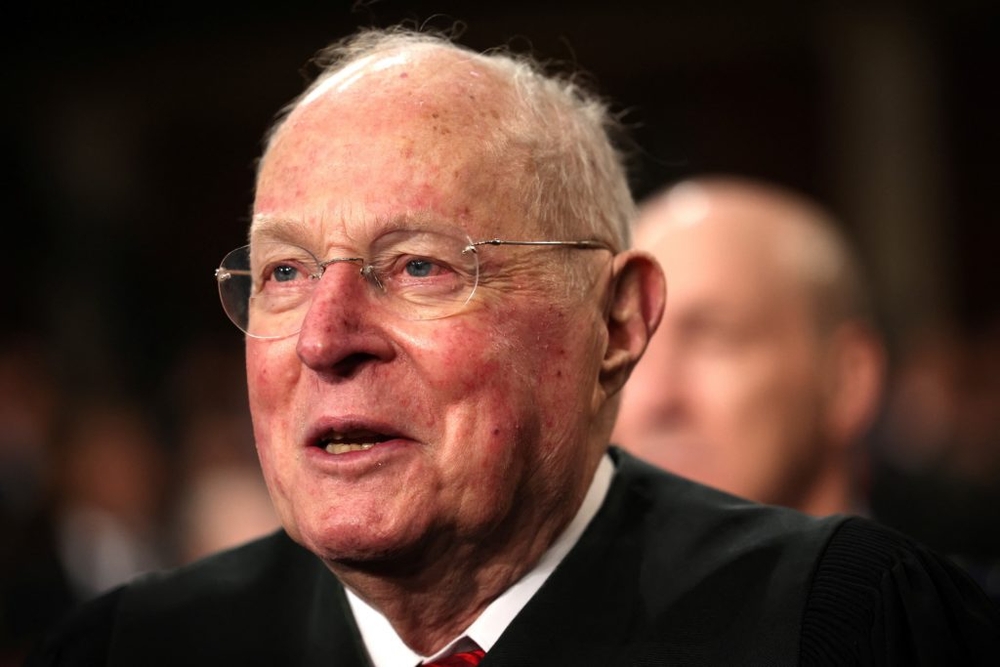
Former Supreme Court Justice Anthony Kennedy, who served for three decades until his 2018 retirement, vehemently rejects the persistent characterization as the Court’s “swing vote” in landmark decisions spanning marriage equality, campaign finance, and abortion rights. In discussing his memoir “Life, Law & Liberty” with journalist Geoff Bennett, Kennedy argued that cases swing while his jurisprudence remains consistent. He provided nuanced explanations for seemingly contradictory rulings, particularly regarding campaign finance where he acknowledged public discomfort with wealthy political influence but defended his position based on constitutional consistency and First Amendment principles. Kennedy revealed the profound personal significance of his Obergefell v. Hodges opinion, which he was told “passed the refrigerator test” for its moving language about marriage dignity that families would post and read repeatedly. Expressing deep concern about democracy’s fragility, Kennedy identified lack of civility as the greatest threat, citing Aristotle’s emphasis on respectful disagreement and warning that internet discourse isolates rather than debates. He criticized the increasingly partisan judicial confirmation process and expressed alarm about the Court being perceived as political, while carefully avoiding commentary on current cases but noting concerns about emergency orders limiting proper deliberation.
Opinion:
Kennedy’s reflections strike at the very heart of what makes American democracy both magnificent and vulnerable. His rejection of the ‘swing vote’ label isn’t mere semantic quibbling—it’s a profound defense of judicial integrity in an era desperate for institutional stability. When he speaks of jurisprudence consistency while ruling on both LGBTQ rights and campaign finance, he reminds us that constitutional principles transcend political convenience. This is the very essence of what makes an independent judiciary America’s crown jewel—the willingness to follow constitutional logic wherever it leads, even when unpopular.
His concerns about civility’s collapse should shake every American to their core. Kennedy’s warning that we’ve created digital echo chambers where we only talk to those who agree with us represents nothing less than a five-alarm fire for democratic survival. The Founding Fathers crafted a system designed for vigorous debate among equals, not polarized shouting matches between adversaries. When a respected jurist who helped shape modern liberty warns that we’re losing Aristotle’s “rational, thoughtful, probing discussion,” we must listen as if our republic depends on it—because it does.
Most chillingly, Kennedy’s acknowledgment that judicial partisanship poses a “very real” danger confirms our deepest fears about the Court’s fragile legitimacy. His observation that confirmation processes have become excessively partisan reveals how political machinery threatens to corrupt the one branch designed to rise above politics. This isn’t abstract concern—it’s a veteran justice watching his life’s work potentially unravel through the very polarization he warned against. Kennedy’s legacy, particularly his defense of human dignity in marriage equality, now faces the test he anticipated—whether reasoned jurisprudence can survive in an era of brute political force. His memoir serves as both warning and plea: preserve the judiciary’s independent spirit or risk losing democracy itself.