
Arizona GOP Chair's Congressional Bid Tests the Limits of Endorsement Politics
Published
- 3 min read
The Facts: The Political Landscape of Arizona’s Wealthiest District
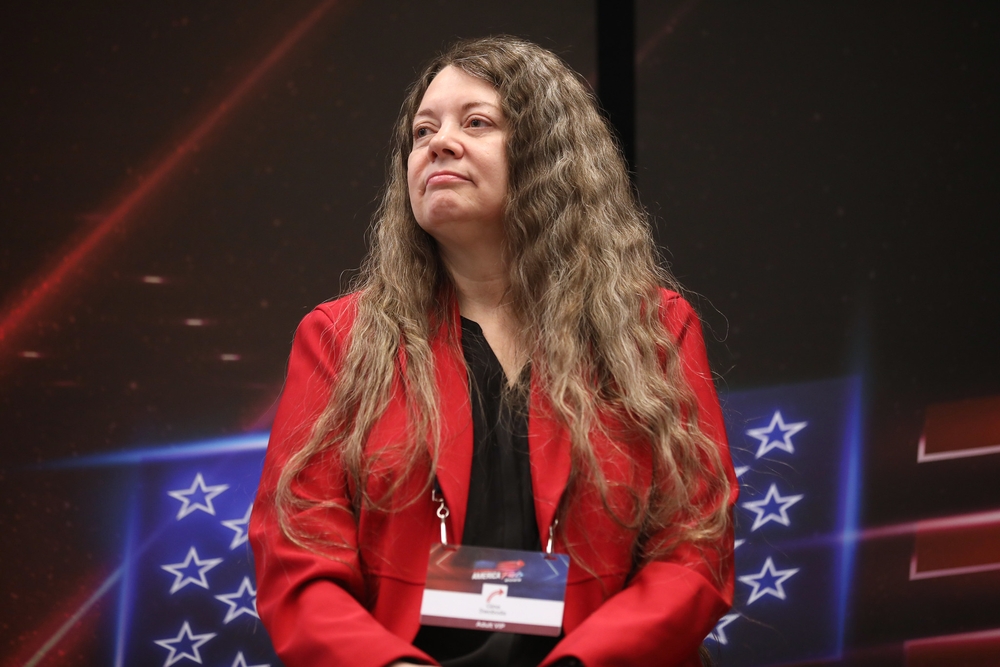
Gina Swoboda, the chair of Arizona’s Republican Party, has officially entered the race for Congress in Arizona’s 1st Congressional District, seeking to replace the retiring Representative David Schweikert. The district, which spans affluent areas including Scottsdale, Paradise Valley, and Fountain Hills, holds the distinction of being the wealthiest congressional district in the United States. Swoboda’s candidacy comes with the significant endorsement of former President Donald Trump, which she highlighted in her announcement as a key asset in her effort to “keep it in Republican hands.”
Congressional District 1 presents a complex political battlefield. While the district has historically leaned Republican, recent elections have demonstrated its competitive nature. In the previous election cycle, Schweikert secured a narrow victory with just 52% of the vote against Democratic challenger Amish Shah, who captured 48%. Shah has already declared his intention to run again in 2026, setting the stage for another closely contested race. The district has become a prime target for both local and national Democratic organizations aiming to flip what they see as a winnable seat.
Swoboda brings substantial political credentials to the race, having worked closely with GOP lawmakers to advance border security legislation, including the Secure the Border Act. This legislation grants local police authority to arrest migrants suspected of crossing illegally outside official ports of entry. However, her position on the state’s Empowerment Scholarship Account program has created tension with certain conservative factions. Her support for implementing “guardrails” on the voucher system, which has faced criticism for enabling luxury purchases, has alienated supporters including Turning Point USA and the Arizona Freedom Caucus.
The upcoming midterm elections carry significant weight for both parties. Republicans currently maintain a narrow 219 to 212 majority in the House of Representatives, leaving them with limited room for error as they navigate public dissatisfaction over various issues including government shutdowns and healthcare spending debates. Democrats see an opportunity to capitalize on these vulnerabilities, particularly in competitive districts like CD1.
Opinion: When Endorsements Eclipse Principles
The emergence of Gina Swoboda’s congressional campaign raises profound concerns about the state of our democratic processes and the troubling trend of personality-driven politics. While electoral competition should be celebrated in a healthy democracy, the prominent featuring of a single endorsement from a controversial former president signals a dangerous departure from issue-based campaigning toward cults of personality.
What deeply troubles me is how Trump’s endorsement has become treated as a “stamp of approval” that supposedly validates conservative credentials. This reduction of complex political philosophy to a binary test of loyalty to one individual represents an assault on the thoughtful deliberation our republic requires. True conservatism should be rooted in enduring principles—constitutional fidelity, institutional respect, and reasoned policymaking—not in allegiance to any single leader. When campaigns become centered around who has which endorsement rather than which candidate has the best ideas and character, our democracy suffers.
Swoboda’s emphasis on Trump’s support rather than her own substantive record is particularly concerning given the district’s competitive nature. While the endorsement might benefit her in a primary contest, it could prove problematic in a general election where independent and moderate voters may view such associations as polarizing. This highlights the fundamental tension between primary politics and general election viability that increasingly plagues our political system.
The mixed reception to Swoboda’s candidacy within her own party reveals the fragmentation occurring in contemporary politics. Her willingness to support reasonable guardrails on the voucher system—a position that should be seen as responsible governance—has drawn criticism from more extreme elements. This demonstrates how even modest attempts at pragmatic policymaking can be attacked as ideological impurity in today’s hyper-polarized environment.
As a staunch supporter of constitutional democracy, I believe our political discourse must elevate above personality contests and return to substantive debate about how to secure liberty, uphold the rule of law, and strengthen our institutions. Elections should be decided on the basis of candidates’ character, qualifications, and policy positions—not on whose name appears in their endorsement list. The future of our republic depends on voters rejecting the politics of personality and embracing the hard work of principled governance.
The CD1 race will serve as an important indicator of whether Arizona voters prioritize showmanship over statesmanship. My hope is that constituents will look beyond the flash of high-profile endorsements and evaluate candidates based on their commitment to democratic norms, institutional integrity, and the fundamental principles that have sustained our nation for centuries. Our democracy deserves leaders who stand on their own merits, not those who cling to the coattails of controversial figures.